

A flashlight stun gun combo is a single self-defense device that combines a bright tactical light with a high-voltage electrical stun function, letting you illuminate a threat and, if necessary, incapacitate it at close range. These multi-functional self-defense tools have grown in popularity because they solve a practical problem: carrying a separate flashlight and stun gun means more bulk, more batteries, and more to remember when you are in a hurry. A combined unit keeps both critical functions in one hand, which makes it far more likely to be with you when you actually need it.
This guide covers how these devices work, what to look for when buying one, how they compare to carrying separate tools, and the legal and safety factors you must consider before you carry one.
Key Takeaways
- A flashlight stun gun combo delivers two essential self-defense functions—illumination and electrical incapacitation—in one portable device.
- The main advantage is convenience: you are much more likely to have a single compact device on you than two separate tools.
- Legal restrictions on stun devices vary widely by jurisdiction, so you must verify local laws before purchasing or carrying one.
- Practical specifications like brightness (lumens), build quality, and battery reliability matter more than marketing claims about voltage.
- Owning the device is only the first step; you need training and regular practice to use it effectively under stress.
The Complete Answer: What Is a Flashlight Stun Gun Combo and How Does It Work?
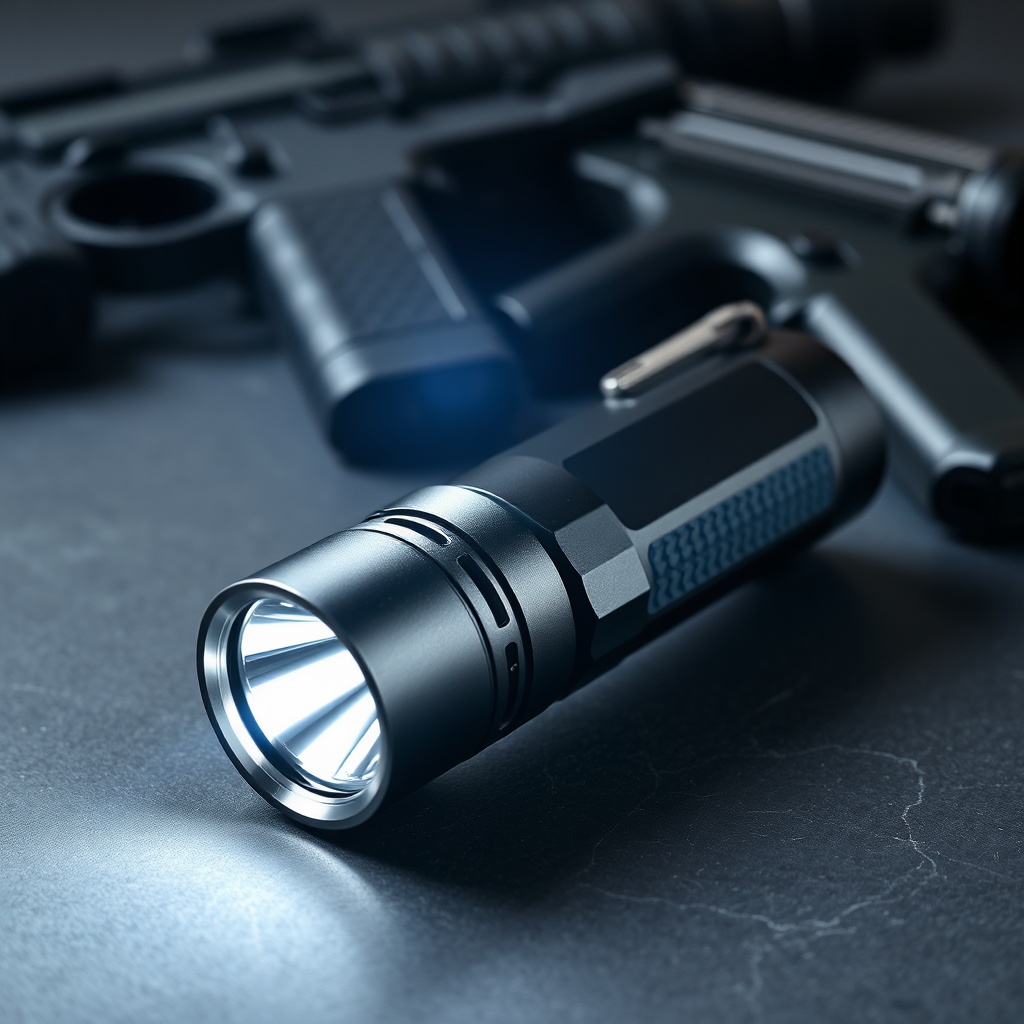
High-resolution product photography showcasing the integrated flashlight and stun gun components with emphasis on build quality and dual operational features.
A flashlight stun gun combo is a handheld device that merges a standard LED flashlight with a stun gun. The flashlight component provides illumination, while the stun gun component delivers an electrical charge through two metal prongs at the front of the device.
Quick Answer: A flashlight stun gun combo is a single self-defense tool that combines a bright LED light with an electrical stun device, allowing you to disorient a threat with light and, if necessary, deliver a high-voltage shock through direct contact.
The Dual Function Explained
The flashlight function works like any standard tactical LED flashlight. It produces a focused beam of light that can Light Up dark areas, identify a potential threat, and—crucially—disorient an attacker. Shining a bright light directly into someone’s eyes in a dark environment can briefly impair their vision and give you a critical window to escape.
The stun gun function works by delivering an electrical charge through two metal prongs. When the prongs make direct contact with an attacker’s body, the electrical current interferes with the normal signals sent from the brain to the muscles. This causes neuromuscular incapacitation—a temporary loss of muscle control that can stop an attacker in their tracks.
Definition: Neuromuscular incapacitation is a temporary disruption of the body’s electrical signaling system, caused by an external electrical current, which results in involuntary muscle contraction and loss of coordination.
The two functions integrate into a single device by sharing a body, a power source, and a trigger mechanism. You can use the light independently, and when the threat escalates, you can activate the stun function with a switch or button without changing your grip. This seamless integration is what makes the device so effective in a high-stress scenario.
Lifestyle action shot illustrating real-world usage, emphasizing visibility, readiness, and responsible handling of the combined defensive device.
Technical and Legal Considerations
When looking at technical specifications, voltage and amperage are the two numbers that matter most. Voltage is the electrical pressure that pushes the current, while amperage is the actual current delivered. A higher voltage does not automatically mean a more effective stun gun; the amperage and the quality of the electrical contact are far more critical for causing muscle incapacitation. Reading through a detailed How Do Stun Guns Work? A Complete Beginner’s Guide to Voltage and Amps products resource can help demystify these electrical metrics and clarify how they interact under real-world conditions.
Important: Stun gun laws are not uniform. Some regions prohibit stun devices entirely, while others restrict voltage, require a permit, or impose age limits. Before you purchase or carry a flashlight stun gun combo, you must research the laws in your specific country, state, or city.
Practical Applications: Real-World Scenarios and Use Cases
A flashlight stun gun combo is most valuable in everyday situations where you need both light and a defensive option. It is not a weapon for combat; it is a tool for creating distance and escaping.
Everyday Carry (EDC) and Personal Protection
For commuters, dog walkers, and night-shift workers, the combo is an ideal everyday carry (EDC) item. It replaces the need to carry a separate flashlight and a separate stun gun, which means less clutter and fewer items to forget. The psychological deterrent factor of a bright light is also significant. Many potential attackers will avoid a target who is actively shining a bright light in their direction, as it signals awareness and preparedness for Personal Protection.
Step-by-Step: How to Use a Flashlight Stun Gun Combo Effectively
Using the device effectively requires a simple sequence of actions that you should practice until they become automatic.
- Assess the situation — Quickly determine whether there is a genuine threat and whether you have a legal justification to use the device. If you can avoid the situation entirely, do so.
- Deploy the flashlight — Activate the light to illuminate the area and identify the potential threat. Shine the beam directly at their eyes to disorient them.
- Maintain a safe distance — Keep the device between you and the threat. Use the light as a barrier and create as much space as possible.
- Activate the stun function — If the threat escalates and the person is within reach, turn on the stun feature. The sound of the electrical charge can also act as a deterrent.
- Target and deliver — Aim for large muscle groups like the thighs, shoulders, or torso. These areas provide the best contact for maximum effect.
- Create distance and escape — After the strike, do not wait to see what happens. Immediately move away to safety and call for help.
Scenario Breakdown: Home, Vehicle, and Outdoor Use
In a home defense scenario, the flashlight is your primary tool. You can use it to check on a noise in the middle of the night without alerting an intruder to your position. The stun function is a last resort if you are confronted directly.
For vehicle use, keeping the device in a glovebox or door pocket gives you a reliable light for roadside emergencies and a defensive option if you are approached by a stranger. For outdoor activities like camping, hiking, or trail running, the combo is a lightweight way to carry both a trail light and a personal safety defense tool. In fact, it consistently ranks among the 10 Best options for active individuals seeking reliable gear.
Comparison: Flashlight Stun Gun Combo vs. Separate Devices
Choosing between a combo and separate tools is a trade-off between convenience and performance. The right choice depends on how you plan to use the device.
The Pros and Cons of Each Option
A combined unit offers the clear advantage of convenience. You have one device, one battery, and one hand to manage. It is easier to access in a hurry and less likely to be left behind. The downside is that a combo is a compromise; the flashlight may not be as bright as a dedicated tactical light, and the stun function may not be as powerful as a standalone model.
Carrying separate devices gives you redundancy. If one tool fails, you still have the other. You can also choose a high-lumen flashlight for work and a dedicated stun gun for defense, optimizing each for its specific task. The downside is that you have two items to carry, two batteries to maintain, and you must identify and grab the correct tool in a stressful situation.
Comparison Table: Combo vs. Separate Tools
| Feature | Flashlight Stun Gun Combo | Separate Flashlight + Stun Gun |
|---|---|---|
| Portability | High — single device | Lower — two items to carry |
| Ease of Access | Fast — one hand, one device | Slower — need to identify and grab the right tool |
| Weight and Bulk | Lighter overall | Heavier and bulkier |
| Battery Management | Single battery to charge | Two separate batteries to maintain |
| Performance Focus | Compromise between light and stun | Dedicated performance for each function |
| Cost | Generally lower total cost | Higher total cost for quality versions |
| Reliability | Single point of failure | Redundancy — if one fails, the other still works |
When to Choose Which
Choose a flashlight stun gun combo if your primary goal is everyday carry and general personal safety. It is the best option for commuters, walkers, and anyone who wants a single, reliable tool for unexpected situations.
Choose separate tools if you have specialized needs. For example, if you need a high-lumen flashlight for your job, a dedicated model will perform better. If you are concerned about device failure, carrying redundant tools provides peace of mind.
What to Look For: A Buyer’s Guide to Choosing the Right Combo
When you start shopping, you will see a wide range of models with very different specifications. Focusing on a few key criteria will help you make a decision that fits your needs.
Performance Specifications
Brightness is measured in lumens. For self-defense, a light of at least 200 to 300 lumens is generally sufficient to disorient an attacker in a dark environment. Higher lumen ratings are useful for outdoor use or for illuminating a larger area, but they also drain the battery faster.
Stun power is the most misunderstood specification. While manufacturers advertise high voltage numbers, the real effectiveness comes from the amperage and the quality of the electrical contact. Look for a device with a solid, reliable stun function rather than chasing the highest voltage number.
Battery life is a critical practical factor. Look for a rechargeable self-defense kit that uses a standard USB-C or micro-USB port for charging. This makes it easy to keep the device charged without needing a special proprietary cable.
Build Quality and Ergonomics
High-end models, including Cheetah Tactical Flashlight Stun Gun products, exemplify this durability by combining robust materials with comfortable handling. The size and grip are equally important; the device should fit comfortably in your hand and have a textured surface so you do not drop it in a panic.
Durability is another key factor. Look for a device with an IP rating that indicates water resistance. While you may not plan to use it in the rain, a device that can withstand the elements is more reliable in an emergency.
Safety Features and Usability
A safety switch is essential to prevent accidental discharge. Look for a device that requires a deliberate action to activate the stun function. Some models also include a holster, which makes it easier to carry and access the device. Most importantly, the operation should be simple and intuitive. If you have to think about how to use it, you will struggle in a high-stress situation.
Legal, Safety, and Training Considerations
These are the non-negotiable aspects of owning a self-defense tool. Ignoring them can lead to legal trouble or, worse, an injury to yourself or someone else.
Legal Landscape
Understanding The legality and availability of personal security tools in the US products is vital because local regulations differ. Some countries ban them outright, while others allow them with restrictions. In the United States, stun gun legality by state is a patchwork of different rules. Some states have no restrictions, while others require a permit, prohibit certain voltage levels, or restrict carrying in specific locations like schools or government buildings.
Critical: You are responsible for knowing the laws in your area. Before you buy a flashlight stun gun combo, research the regulations in your country, state, and city. Do not assume that a device is legal just because it is for sale.
Safety and Responsible Ownership
Safe storage is the first rule of responsible ownership. Keep the device in a secure location where children and unauthorized individuals cannot access it. Always engage the safety switch when the device is not in use.
You should also understand the device’s limitations. A stun gun is not a lethal weapon, but it can cause pain and temporary incapacitation. It is not effective against all threats, and it is not a substitute for situational awareness or escape. Avoid contact with the stun prongs when testing the device, as the shock is painful.
The Necessity of Training
Owning a self-defense tool is not enough. You must practice using it. Practice drawing the device from your holster, activating the light, and turning on the stun function. This repetition builds muscle memory so you can operate the device without thinking.
You also need to understand when it is legally and ethically appropriate to use it. A stun gun is a defensive tool for when you are in immediate danger and cannot escape. Using it in any other situation could have serious legal consequences.
Maintenance and Care Guide
A self-defense tool is only useful if it works when you need it. Regular maintenance ensures your device is ready for action.
Routine Checks and Cleaning
Perform a weekly check of the device. Confirm that the battery is charged, the flashlight works, and the stun function produces a spark. You can test the stun function briefly in a safe area to ensure the contacts are clean and the circuit is working.
Clean the device with a soft, dry cloth. Pay special attention to the metal contacts on the stun prongs, as dirt and debris can interfere with the electrical charge. Store the device in a cool, dry place away from direct sunlight and extreme temperatures.
Troubleshooting Common Issues
If the light is dim or not working, the battery may be low or the connection may be faulty. Try charging the device fully and check the battery contacts.
If the stun function is weak or inconsistent, the prongs may be dirty or the battery may not be delivering enough power. Clean the contacts and ensure the battery is fully charged.
If the battery is not holding a charge, the battery itself may be worn out. Most rechargeable batteries have a limited lifespan, and you may need to replace the device or the battery if it no longer holds a charge.
Conclusion
A flashlight stun gun combo is a practical, multi-functional self-defense tool that combines illumination and electrical incapacitation in one device. It is ideal for everyday carry because it is more convenient than carrying separate tools and more likely to be with you when you need it.
Before you buy, research the laws in your area, select a device with the right specifications for your needs, and commit to practicing with it. The best self-defense tool is the one you have with you and know how to use. Take the time to choose wisely and train properly, and you will have a reliable tool for personal safety.
FAQ: Flashlight Stun Gun Combo
Are flashlight stun gun combos legal to carry?
Laws vary by jurisdiction. Some regions ban stun devices entirely, while others allow them with restrictions on voltage, carry permits, or age. Always check the regulations in your specific country, state, and city before purchasing or carrying one.
How strong is the stun on a flashlight stun gun combo?
The strength is measured in voltage and amperage. While manufacturers advertise high voltage, amperage and proper contact are more critical for effectiveness. A higher voltage number does not necessarily mean a more powerful or effective stun.
Can the flashlight be used alone as a self-defense tool?
Yes. A bright light can disorient an attacker and provide you with a moment to escape. It is often the first line of defense and can deter an attack before you ever need to use the stun function.
What is the difference between a stun gun and a taser?
A stun gun requires direct contact to deliver a shock, while a taser uses projectiles to deliver the shock from a distance. A flashlight stun gun combo is a direct-contact stun device, not a projectile device.
How long does the battery last on a typical combo device?
Battery life varies by model and usage. It can range from a few hours of continuous flashlight use to many days on standby. Always check the manufacturer’s specifications for the specific model you are considering.
Conclusion
A flashlight stun gun combo is more than just a gadget; it’s a practical investment in your personal safety, merging the everyday utility of a bright light with the peace of mind of electrical incapacitation. By choosing a model that fits your local legal requirements and your specific carry needs, you eliminate the excuse of carrying separate tools that might get left behind. The true value lies in having a reliable device on hand and knowing exactly how to use it under pressure. Don’t wait for a moment of uncertainty to realize you’re unprepared. Take the next step today: research the regulations in your area, compare reputable models, and commit to regular practice with your chosen flashlight stun gun combo. Your safety is worth the few minutes it takes to prepare. Equip yourself now, train consistently, and carry confidence with you every day.

