

A baton and taser combination is a single less-lethal device that merges a physical impact weapon with a conducted electrical weapon, letting the operator switch between striking and electrical incapacitation without drawing a second tool. Law enforcement, security personnel, and civilians in high-risk environments are showing growing interest in these hybrid tools because they offer two force options in one package. The concept is straightforward, but the practical reality involves careful legal review, dedicated training, and a clear understanding of how each mode works.
Quick Answer: A baton and taser combination is a hybrid less-lethal device that integrates an impact baton with a conducted electrical weapon, allowing the user to deliver physical strikes or electrical shocks from a single tool.
Key Takeaways
- A baton and taser combination merges a physical impact tool with an electrical stun or probe-based system, designed for less-lethal response.
- The primary advantage is a seamless transition between two force options without drawing or switching tools.
- Such devices are governed by complex legal rules that vary by jurisdiction; ownership and use require careful verification.
- Effective use demands dedicated training, especially in scenario-based decision-making and de-escalation.
- When selecting a combination device, the intended use, ergonomics, and reliability matter more than raw specifications.
The Complete Answer: What Is a Baton and Taser Combination?
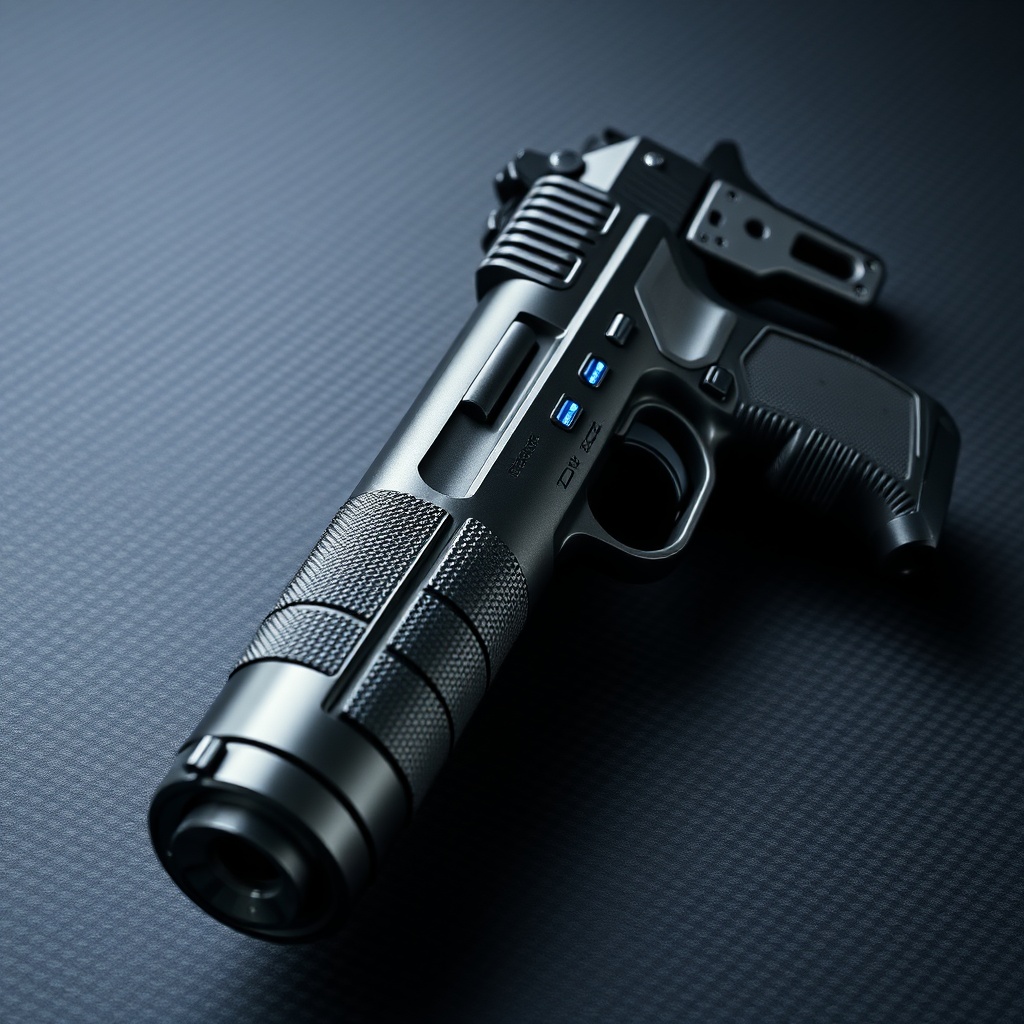
This integrated tactical tool seamlessly combines impact striking capability with electrical incapacitation in one ergonomic design.
Definition and Core Concept
A baton and taser combination is a hybrid less-lethal weapon that integrates an impact baton with a conducted electrical weapon into one handle or body. The device serves as both a physical impact tool for blocking and striking and an electrical incapacitation tool that can deliver a shock through electrodes or probes.
Definition: A conducted electrical weapon (CEW), commonly known as a taser, is a device that uses electrical current to disrupt voluntary muscle control, while an impact weapon (baton) relies on mechanical force for pain compliance and control.
The two primary modes are distinct: the baton mode provides a physical deterrent and control option, while the taser mode delivers neuromuscular incapacitation. Some designs offer a stun-only function that requires direct contact, while others can fire conductive probes at a short distance.
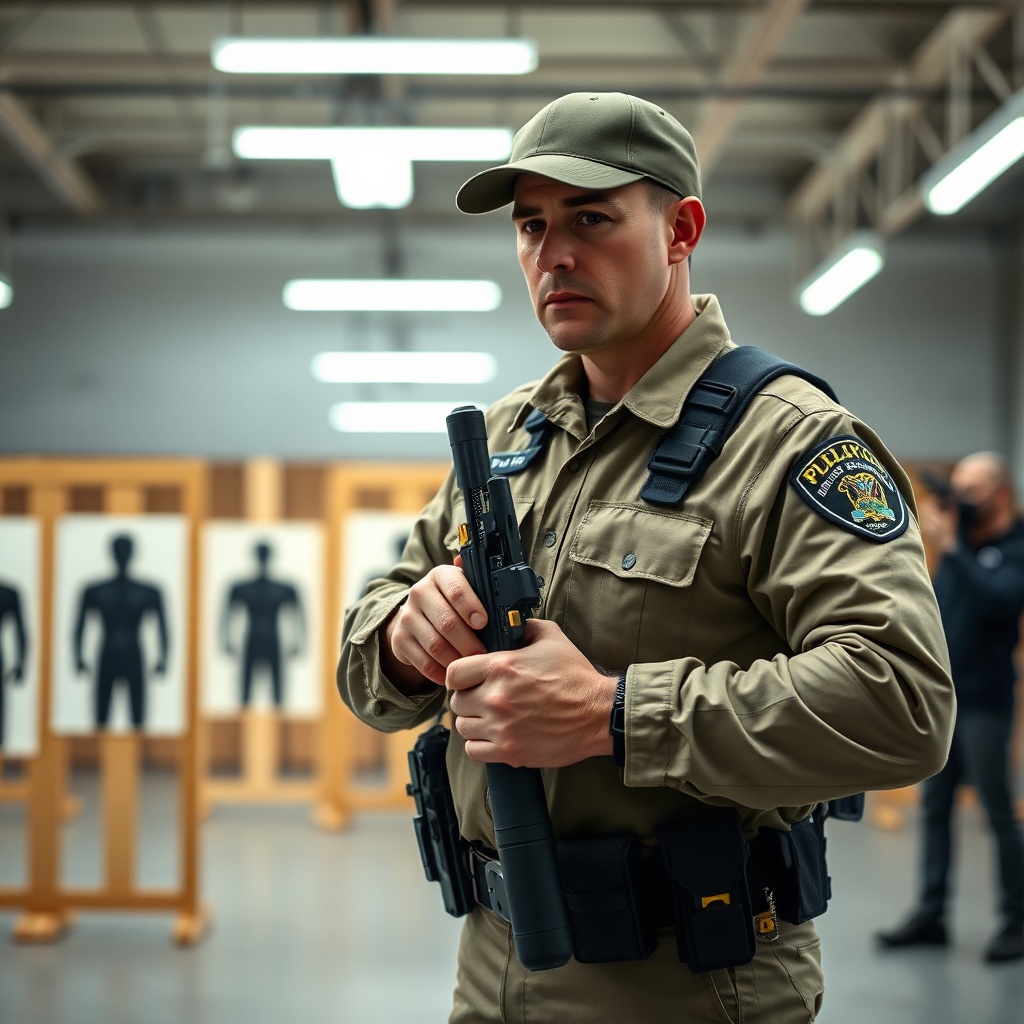
Dedicated scenario-based practice ensures operators can safely transition between impact and electrical modes when required.
How the Combination Works in Practice
The device can be used as a baton for blocking, striking, or applying pressure, and can deliver an electric shock via electrodes located on the body or through a probe deployment system. The operator selects the mode based on the threat level and the distance involved. In close-quarters situations, the baton mode may be more appropriate, while the taser mode becomes useful when a subject needs to be incapacitated at a short range. Specific voltage, amperage, or battery specifications vary by manufacturer and model, so any claims about electrical output should be verified directly from the product documentation. The core operational principle remains the same: two force options, one device.
Purpose and Intended Use
The target audiences for a baton and taser combination include law enforcement officers, security personnel, and civilians who operate in high-risk environments. For professionals, the device reduces the need to carry two separate tools on a duty belt. For civilians, it offers a self-defense option incorporating proven Self-Defense Techniques that provide both a physical barrier and an electrical deterrent. The combination fits into the use-of-force continuum as a less-lethal option between verbal commands and lethal force. The presence of both modes gives the user a wider range of response choices, which can be valuable in situations where the appropriate level of force is not immediately clear.
Why Combine a Baton and Taser? The Operational Rationale
Tactical Advantages Over Separate Tools
The most obvious advantage of a baton and taser combination is speed. In close-quarters combat, the time it takes to put down one tool and draw another can be the difference between maintaining control and losing it. A combined device allows the user to transition from a physical strike to an electrical shock without changing grip or reaching for a separate holster. Reduced gear load is another benefit. Officers and security personnel often carry multiple less-lethal options, and consolidating two of them into one device simplifies access and reduces the number of items that need to be managed during a confrontation.
De-escalation and Use-of-Force Continuum
A combined device sits within the escalation of force ladder as a non-lethal option that can be applied gradually. The visual presence of a baton alone can be a deterrent, but adding the ability to deliver an electrical shock changes the psychological calculus for a subject who is considering resistance. The user can escalate from verbal commands to physical control with the baton, and then to electrical incapacitation if needed. Having both options ready in one hand means the decision to escalate is not delayed by equipment changes. This supports a more measured and controlled response.
Legal and Policy Considerations
The legal justification for using a baton and taser combination can be more complicated than using either tool separately. When an officer or civilian uses a baton, the legal question is whether the physical force was reasonable. When a taser is used, the question often centers on whether the electrical force was justified. A combination device may trigger scrutiny under both standards simultaneously. Specific legal statutes or case law vary widely by jurisdiction. Some regions restrict tasers, others restrict batons, and a combination may be classified as a new weapon type that falls under multiple regulations. Anyone considering a baton and taser combination must verify the applicable laws in their area before purchase or carry. The interaction between the two functions can create a legal gray area, making it crucial to review the legality and availability of personal security tools in your specific jurisdiction before purchase.
Key Design Features and Technology in Combined Devices
Form Factor and Ergonomics
The device is shaped to serve both as a baton and an electrical weapon, which means the design must balance weight distribution and hand placement. A typical combination device has a longer body than a standard stun gun to provide reach, but it must remain manageable for striking and blocking. The grip is critical. The user needs to maintain a firm hold while also being able to reach the activation controls for the taser function. An ergonomic design reduces fatigue during extended use and improves control during a dynamic encounter.
Deployment Mechanisms
Activating the taser function while maintaining a baton grip requires a carefully placed trigger or button. Some designs use a safety switch that must be disengaged before the electrical function can be activated, preventing accidental discharge. The deployment mechanism may support both probe and stun-only modes, allowing the user to choose between a ranged electrical shot and a direct-contact shock.
Quick Answer: Most combination devices do not allow the baton and taser to be used simultaneously. They switch between modes, with the operator selecting either physical impact or electrical discharge based on the situation.
Safety and Reliability Features
Built-in safeguards are essential on any device that combines an impact weapon with an electrical system. A fail-safe mechanism ensures the electrical function cannot be triggered unintentionally, especially when the device is holstered or being handled in a crowd. Safety switches, trigger guards, and grip sensors are common features, though specific designs vary. Any claims about specific safety certifications or standards should be verified from the manufacturer. The user must also consider battery life and weather resistance, as a device that fails at a critical moment is worse than no device at all.
Comparison Table: Standalone Baton vs. Standalone Taser vs. Combined Device
| Feature | Standalone Baton | Standalone Taser | Combined Device |
|---|---|---|---|
| Primary function | Impact/mechanical | Electrical incapacitation | Dual: impact + electrical |
| Range | Close-quarters only | Short to moderate (probe) | Close-quarters (baton) + short to moderate (probe) |
| Stopping power | Physical pain compliance | Neuromuscular incapacitation | Depends on mode used |
| Training complexity | Low to moderate | Moderate to high | High (requires dual-mode proficiency) |
| Legal considerations | Varies by jurisdiction | Often more regulated | Potentially the most complex |
| Weight and bulk | Minimal to moderate | Moderate | Higher than either standalone |
Step-by-Step: How to Use a Baton and Taser Combination Safely
The Process: A Numbered Guide
- Assess the threat level and determine if force is justified. Verbal de-escalation should always be the first option.
- Deploy the device from its holster with a firm grip, ensuring the safety switch is in the correct position for the intended mode.
- Attempt de-escalation verbally before escalating to physical or electrical force.
- Use the baton mode for blocking or striking only if the situation warrants physical force and the subject is within close range.
- Activate the taser mode if the subject continues to pose a threat, maintaining proper stance and aiming. For probe deployment, ensure a clear line to the target.
- Reassess after deployment and disengage or call for assistance as needed. Document the incident according to policy.
Training Requirements
Formal instruction is essential for both modes. A user must master the baton techniques of blocking, striking, and pressure application, as well as the proper handling of an electrical weapon. This includes understanding the difference between stun and probe modes, referencing a Comprehensive Guide for the effective range of each, and the physiological effects of electrical discharge. Scenario drills are particularly important. The user needs to develop muscle memory for switching between modes under stress. Without this practice, the likelihood of fumbling the device or choosing the wrong mode increases significantly.
Quick Answer: Dedicated training is required for a baton and taser combination because the user must master two distinct force options and know when to switch between them. Less-lethal training and weapon certification courses are the recommended paths.
Scenario Handling and Aftercare
Different encounters require different responses. For active resistance, the baton mode may be the quickest way to establish control. For a fleeing subject, the probe mode of the taser function offers a ranged option. In crowd control situations, the visual deterrent of the baton may be enough to prevent escalation. After any use of force, the subject should receive appropriate medical attention. Specific aftercare guidelines or medical recommendations should be sourced from the device manufacturer and the agency’s policy. The user must also be prepared to provide a detailed report of the incident, including the mode used and the duration of electrical discharge.
Legal and Regulatory Considerations for Owning or Carrying a Combined Device
Jurisdiction-Specific Laws
The legality of batons and tasers varies widely, and combining the two may fall under multiple statutes. Some jurisdictions classify batons as weapons that require a permit, while others restrict tasers to law enforcement only. A combination device could be treated as either, or as a new category entirely. Specific state or country regulations must be checked before purchase. The user should not assume that because a baton is legal and a taser is legal, a combination device is also legal. The interaction between the two functions can create a legal gray area.
Use-of-Force Rules and Liability
The presence of a taser function affects the legal threshold for using the baton. If a device has an electrical option, the user may be expected to consider that option before resorting to physical force. This can increase the risk of an excessive force claim if the baton is used when the taser function was available. Documentation and reporting requirements are also more complex. The user must record not only that force was used, but which mode was selected and why. This level of detail is necessary to demonstrate that the response was reasonable under the circumstances.
Civilian Ownership and Concealed Carry
Civilian users face additional restrictions. In many jurisdictions, tasers are legal to own but not to carry concealed without a permit. Batons may be similarly restricted. A combination device may require both a weapons permit and a concealed carry license, depending on the local laws. Specific licensing or registration rules should be verified from the relevant authority. Civilians must also consider that a combination device may be viewed more harshly by courts than a standalone stun gun, due to its dual-purpose nature.
Choosing the Right Combination Device: What to Look For
Intended Use and Environment
The first decision is whether the device is for professional duty, home defense, or personal carry. A law enforcement officer needs a device that can be holstered on a duty belt and accessed quickly. A civilian may prioritize a compact size for everyday carry. The intended environment also matters: a device used in a crowded urban setting may need different features than one used in a rural or open area. Match the device to the likely threat level. If the primary concern is close-quarters defense, the baton mode is the more important feature. If the threat may appear at a distance, the probe function of the taser becomes more valuable.
Ergonomics and Deployment Speed
How the device feels in different grips and how quickly it can be drawn are critical factors. A device that is balanced poorly will be difficult to control during a strike. A device with awkwardly placed buttons will slow down the transition from baton to taser mode. Hands-on evaluation is strongly recommended before purchase. The user should practice drawing the device from a holster, switching modes, and maintaining a firm grip during simulated strikes. If the device does not feel natural in the hand, it will not perform well under stress.
Reliability and Build Quality
Materials, weather resistance, and battery life are the core reliability concerns. A combination device must withstand the physical abuse of impact strikes while also maintaining a functional electrical system. The battery must hold a charge over time and perform in cold or wet conditions. Specific material or battery specifications should be verified from the manufacturer. The user should look for a device that has been tested for durability and that comes with a clear warranty. A Cheetah Baseball rechargeable electric baton battery is a common feature, but the charging time and battery life vary by model.
Quick Answer: When choosing a baton and taser combination, prioritize ergonomics, deployment speed, and reliability over raw specifications. The best device is one that feels natural in your hand and functions consistently in the environments where you will carry it.
FAQ
Is a baton and taser combination legal to own?
The answer depends on your jurisdiction. Some areas restrict tasers, others restrict batons, and a combination may be classified as a new weapon type. You must verify the specific laws in your location before purchasing or carrying such a device.
Can a baton and taser be used at the same time?
Typically no. The device switches between modes rather than delivering both simultaneously. The design logic is to give the user two options in one tool, not to combine the effects at the same moment.
What is the difference between a stun gun and a taser?
A stun gun requires direct contact to deliver an electrical shock, while a taser can fire conductive probes at a distance. Combination devices may offer both stun-only and probe-deployment functions, giving the user a broader range of options that align with Understanding Stun Guns vs Tasers: A Comprehensive Guide recommendations for situational deployment.
Do I need special training to use a combined device?
Yes. Because the user must master two distinct force options and know when to switch between them, formal instruction is essential. Less-lethal training and scenario-based drills help build the muscle memory needed for safe and effective use.
How does a combined device fit into the use-of-force continuum?
It sits between verbal commands and lethal force, offering a less-lethal option that can escalate from physical to electrical control. The user can choose the appropriate level of force based on the subject’s behavior and the distance involved. Related reading: [Cheetah Baseball Bat Flashlight Stun Gun](https://cheetahstunguns.com/product/cheetah-baseball-bat-flashlight-stun-gun/) · [The legality and availability of personal security tool](https://cheetahstunguns.com/2025/01/09/the-legality-and-availability-of-personal-security-tools-in-the-us/) · [Understanding Stun Guns vs Tasers: A Comprehensive Guid](https://cheetahstunguns.com/2026/07/11/understanding-stun-guns-vs-tasers-a-comprehensive-guide/) · [Empowering Yourself: The Use of Non-Lethal Self-Defense](https://cheetahstunguns.com/2025/12/14/empowering-yourself-the-use-of-non-lethal-self-defense-techniques/) · [Exploring Taser Brand Security Products: A Comprehensiv](https://cheetahstunguns.com/2026/02/15/exploring-taser-brand-security-products-a-comprehensive-guide/)
Conclusion
A baton and taser combination offers a versatile less-lethal tool for law enforcement, security personnel, and civilians who need multiple force options in a single device. The ability to transition from physical impact to electrical incapacitation without switching tools is a clear tactical advantage, but it comes with added complexity in training and legal considerations. Before purchasing or carrying such a device, verify the laws in your jurisdiction, invest in professional training, and select a model that matches your intended use and environment. The right combination device is one that you can handle confidently and that you are legally and ethically prepared to use.

