

When you search for a “cheetah taser,” you’re likely looking for a compact, high-voltage self-defense tool that promises to stop an attacker quickly. The term is not a formal product category but a marketing descriptor for a handheld stun device, often designed to evoke speed and agility. This guide provides a practical, no-nonsense look at what these devices actually are, how they work, their real-world limitations, and how they stack up against alternatives like pepper spray and traditional Tasers.
Key Takeaways
- A “cheetah taser” is a colloquial term for a compact, direct-contact stun gun, not a standardized or regulated product category.
- Effectiveness depends on placement, sustained contact time, and the target’s pain tolerance—not just the advertised voltage.
- Legal status varies widely by jurisdiction; you must verify local laws before purchasing or carrying one.
- It is a close-range, last-resort tool that requires training and maintenance to be reliable.
- Comparing it against pepper spray and projectile Tasers reveals significant tradeoffs in range, mechanism, and legal complexity.
The Complete Answer: What Is a Cheetah Taser and How Does It Work?
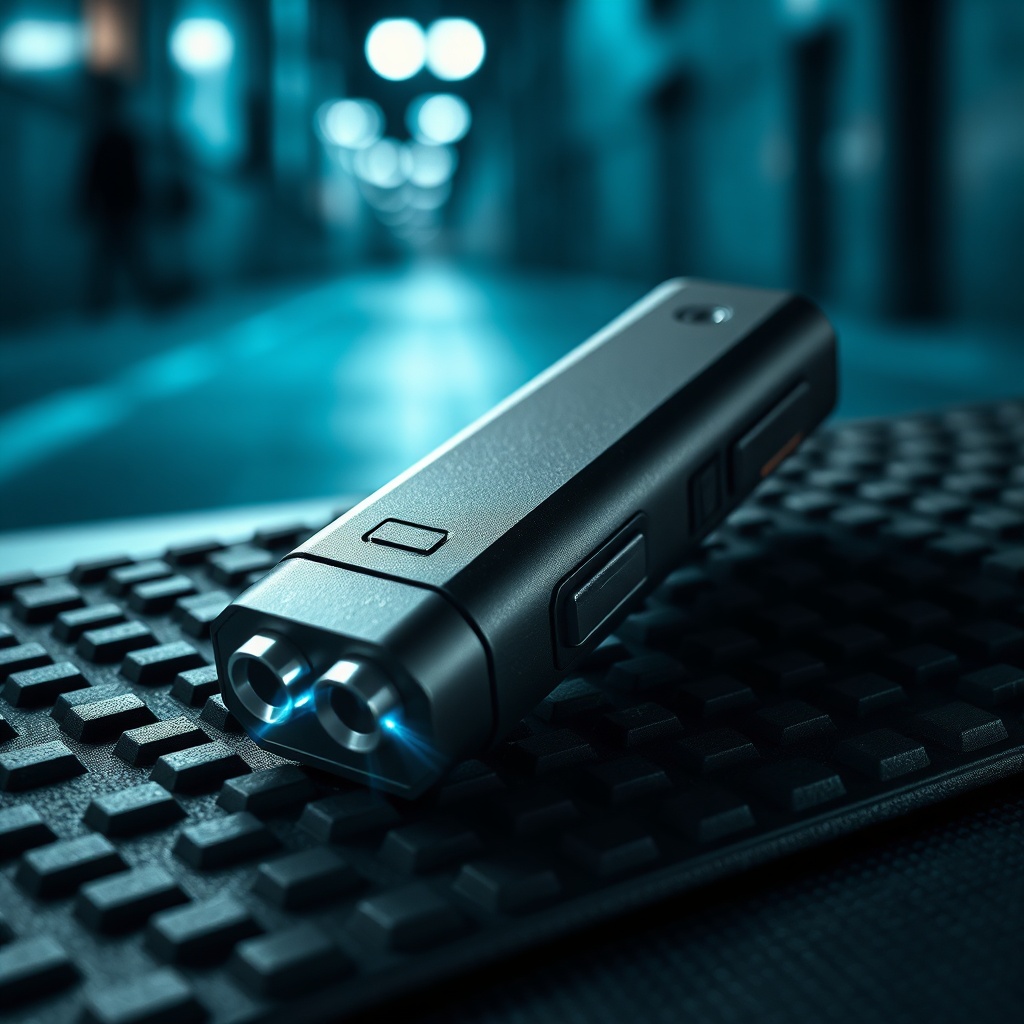
This direct-contact stun tool emphasizes reliable close-range personal protection when properly handled.
Quick Answer: A “cheetah taser” is typically a compact, direct-contact stun gun marketed for personal defense. Unlike a real Taser, which fires projectile probes, it requires you to press its electrodes against an attacker’s body to deliver a shock.
Defining the Term: Cheetah Taser vs. Stun Gun vs. Taser
The word “Taser” is frequently used as a generic term for any handheld electric shock device, but that is inaccurate. Taser is a brand name for a specific type of conducted energy device (CED) that uses a cartridge to fire two barbed probes attached to wires. These probes can reach a target from a distance, delivering an electrical pulse that disrupts voluntary muscle control—a process known as neuromuscular incapacitation (NMI). A stun gun, on the other hand, requires direct physical contact. It has two metal electrodes that must be pressed against the target’s body or clothing to deliver a shock. The shock relies on pain compliance rather than NMI.
Definition: A stun gun is a handheld device that delivers a high-voltage, low-current electrical shock through direct contact with a target, primarily used for pain compliance and deterrence.
A “cheetah taser” fits firmly into the stun gun category. The name is a marketing descriptor, not a regulated classification. There is no single official “cheetah taser” standard; it is a branding choice used by various manufacturers to convey speed, agility, and a predatory edge. This lack of standardization means the term can be misleading, especially when it comes to legal definitions.
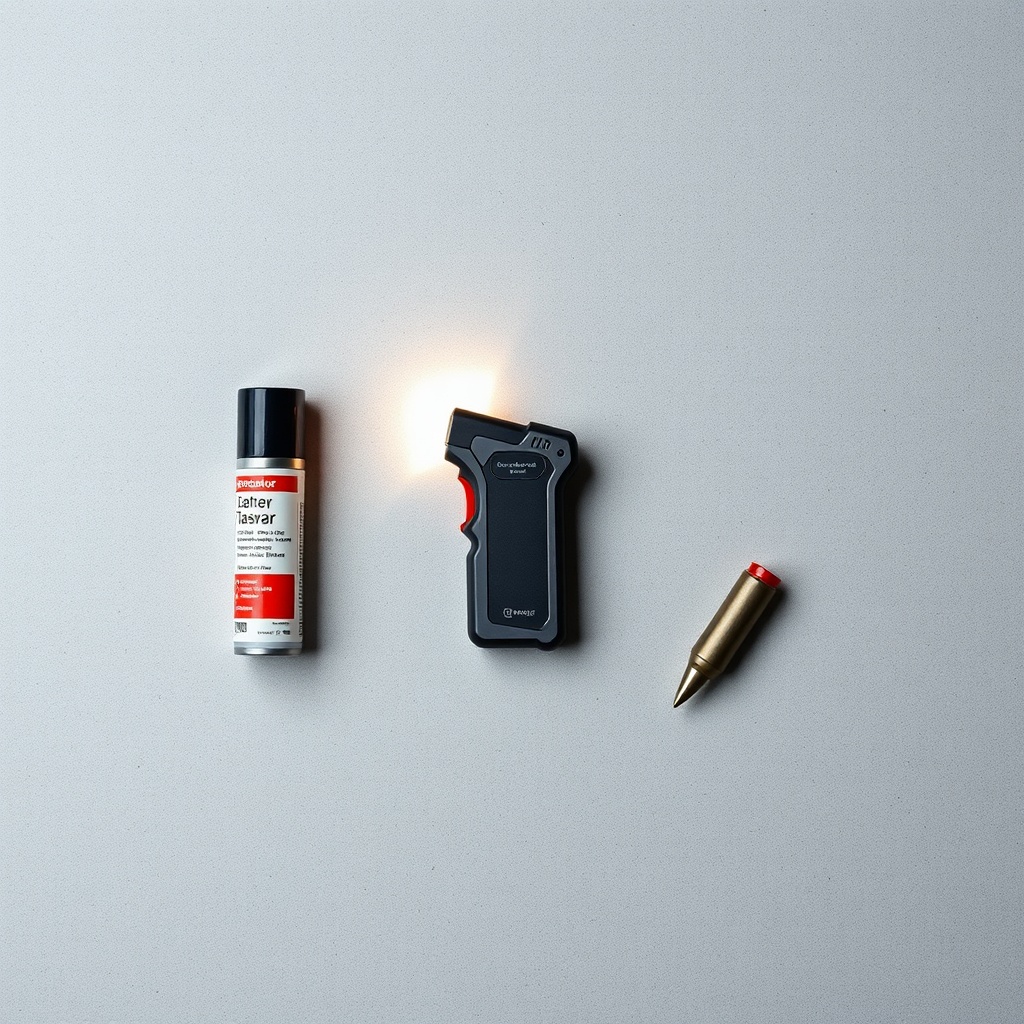
Understanding the tradeoffs between contact stun devices and alternative self-defense tools helps users choose the right option for their situation.
The Mechanism: How It Delivers the Shock
Internally, a stun gun is a relatively simple device. It consists of a battery, a transformer, a capacitor, and two electrodes. The battery powers the transformer, which increases the voltage. The capacitor stores this electrical charge and releases it in rapid pulses when the device is activated. When you turn on the device, you’ll see an electrical arc jump between the electrodes, accompanied by a loud crackling sound. This visible arc is a powerful deterrent—it demonstrates the device’s capability without physical contact. However, the arc itself does not stop an attacker. The actual shock is delivered only when the electrodes make direct contact with the target. The effective shock is a brief, high-voltage, low-current pulse. It is designed to be painful enough to interrupt an attack, but the exact effect depends on the specific model’s specifications regarding voltage and Amps. It is important to understand that the shock works by causing pain, not by incapacitating muscles from a distance. This distinction is crucial for setting realistic expectations.
The “Cheetah” Name: What It Signals
The “cheetah” branding is a deliberate psychological choice. Cheetahs are associated with speed, agility, and predatory readiness. The name implies a device that is fast to draw, lightweight, and capable of a quick, decisive response. While this branding can be appealing, it is not a guarantee of performance. A name cannot replace proper training or a reliable power source. The marketing may suggest a fast-draw design, but the actual deployment speed depends on the holster, your practice, and your physical coordination. The name also creates a potential for legal confusion. Because the word “taser” is included, some people may assume it is regulated like a projectile Taser. In reality, it functions as a stun gun, and its legal classification depends on the jurisdiction, not the branding.
Performance and Safety: What to Expect
Quick Answer: A direct-contact stun device is only effective at arm’s length. You must maintain contact for several seconds, and its stopping power depends heavily on the target’s pain tolerance and clothing.
Effective Range and Contact Duration
The most critical limitation of a cheetah taser is its range. It is essentially an arm’s-length weapon. If the attacker is out of reach, the device is useless. This is a stark contrast to a projectile Taser, which can engage a target from 15 to 25 feet. When you do make contact, you must press the electrodes firmly against the attacker’s body and hold them there for a sustained period. The general guideline is to maintain contact for one to five seconds. This requires you to be in close proximity to an aggressive individual for a meaningful amount of time, which carries inherent risk. The device is also far less effective if the attacker is wearing thick clothing, as the electrodes may not penetrate heavy layers to reach the skin.
Realistic Stopping Power and Pain Tolerance
The effectiveness of a stun gun is based on pain compliance. This means the device relies on the attacker’s subjective experience of pain to stop their actions. Pain tolerance varies significantly from person to person. Some individuals are highly pain-tolerant, and others may be under the influence of drugs or alcohol, which can dull their response to pain. In these situations, a shock may not provide the intended stopping effect. This is a key distinction from neuromuscular incapacitation. A projectile Taser can disrupt muscle control, causing involuntary muscle contractions that make it difficult to move. A stun gun cannot do this; it only causes pain. For this reason, you should not over-rely on the advertised voltage. Higher voltage does not automatically translate to better stopping power. Empowering Yourself with knowledge of electrode design, pulse consistency, and contact technique is far more important factors.
Safety Features and Legal Considerations
When choosing a stun device, look for specific safety features. A reliable safety switch is essential to prevent accidental discharge. A holster that covers the electrodes and prevents the trigger from being pressed while in the holster is also important. A battery indicator or charge light helps you ensure the device is ready when you need it. Legal considerations are paramount and should be researched before any purchase. Some jurisdictions classify stun guns as weapons and require a permit to carry them. Others ban them entirely. Even where they are legal, using a stun device can have legal consequences if it is deemed excessive force. The law expects you to use only the amount of force necessary to escape a threat.
Cheetah Taser vs. Alternative Self-Defense Tools
Quick Answer: The best tool depends on your scenario. Pepper spray offers range and is less reliant on contact, while a stun gun is more reliable in bad weather and requires no aiming of a spray stream.
Comparison Table: Cheetah Taser vs. Pepper Spray vs. Traditional Taser
| Feature | Cheetah Taser (Direct-Contact Stun) | Pepper Spray | Traditional Taser (Projectile) |
|---|---|---|---|
| Effective Range | Arm’s length (contact required) | 6–10 feet (spray stream) | 15–25 feet (probes) |
| Required Contact Time | 1–5 seconds of sustained contact | Instantaneous | Instantaneous (probe contact) |
| Primary Mechanism | Pain compliance (shock) | Irritation and temporary blindness | Neuromuscular incapacitation |
| Weather Sensitivity | Low (unaffected by wind/rain) | High (wind can blow back) | Moderate (probes can miss) |
| Legal Complexity | Varies widely | Varies widely | Strictly regulated in many areas |
| Training Requirement | Moderate (practice contact placement) | Low (point and spray) | High (aiming and probe deployment) |
| Reusability | Reusable (rechargeable) | Single-use cartridge | Reusable device, disposable cartridges |
Scenario-Based Selection: Which Tool Fits Your Needs?
Choosing the right tool depends on your environment and your personal capabilities. Stun Guns vs. Pepper Spray: Choosing the Right Self-Defense insights reveal significant tradeoffs in range, mechanism, and legal complexity. In a crowded urban setting, pepper spray may be the better choice. It provides a standoff distance, so you don’t need to physically engage the attacker. It is also simpler to use under stress, requiring only a point-and-spray motion. A stun device like a cheetah taser is better suited for close-quarters scenarios where you might already be in a physical struggle. It is also unaffected by wind, making it more reliable outdoors in inclement weather. However, it requires you to get close and maintain contact, which increases your risk of injury. A cheetah taser is a niche option. It is not a replacement for a firearm or a projectile Taser. It is a last-resort, close-range tool for situations where you need to create a brief opportunity to escape. Consider a decision framework: what are you likely to defend against? What is your current training level? What is legally permitted in your area? The answers will guide your choice.
The Psychological Deterrent Effect
One of the most valuable aspects of a stun device is the visible electrical arc and the loud crackling sound it produces. When you turn the device on, the sight and sound alone may be enough to stop an attacker. This pre-contact deterrent can end a confrontation before you need to physically touch the attacker. However, this deterrent effect is not guaranteed. An attacker who is highly aggressive, under the influence, or determined may not be intimidated by the sight of the arc. The psychological impact depends on their state of mind. The “cheetah” design may also play a role in deterrence. A device that looks aggressive and predatory could have a psychological advantage in a confrontation. But again, this is a marketing claim, not a verified fact. The visual design should not be the primary reason for choosing a self-defense tool.
Step-by-Step: How to Use a Cheetah Taser Safely and Effectively
Quick Answer: Effective use requires practice. You must be able to draw the device, disengage the safety, and press it against a sensitive area for several seconds, all while maintaining a defensive posture.
Pre-Use Preparation and Training
Before an emergency, you must know how to operate your device without thinking. Start by reading the manual thoroughly. Understand how the safety switch works, how to hold the device, and how to charge it. Practice drawing the device from its holster and disengaging the safety. Repeat this until it becomes muscle memory. You should also practice a proper defensive stance, with your feet shoulder-width apart and your non-dominant hand raised to protect your face. Regular maintenance is non-negotiable. Check the battery or charge level monthly. Understand what the indicator lights mean, so you know when the device is ready and when it needs charging. A device that fails to work in an emergency is worse than no device at all.
The 7-Step Deployment Process
- Assess the Threat: Quickly determine if the situation is unavoidable and if using a stun device is legally and ethically justified. If you can escape without violence, do so.
- Create Distance: Back away while maintaining a defensive posture. Remember, the device is only effective at arm’s length.
- Draw and Disengage Safety: Retrieve the device from its holster and slide the safety switch to the “on” position. This will produce the visible arc.
- Warn Verbally: Give a clear, loud command like “Back off!” This may deter the attacker and provides a witness that you attempted to de-escalate.
- Assume a Stable Stance: Plant your feet shoulder-width apart, keep your non-dominant hand up to protect your face, and hold the device firmly in your dominant hand.
- Deploy the Shock: If contact is unavoidable, press the electrodes firmly against the attacker’s soft tissue—the neck, stomach, or upper thigh. Hold for 1–5 seconds.
- Disengage and Retreat: Once the attacker stops, release the trigger, turn off the safety, and immediately move to a safe location. Do not stay to confront them further.
Post-Encounter Protocol: What to Do After Use
After a violent encounter, your actions are critical. First, move to a safe location and call emergency services. Report the incident, including your use of a stun device. Preserve the device as evidence. Do not clean it or alter it in any way, as law enforcement may need to examine it. If you are asked to provide a statement, be honest and factual about the events. Seek medical attention for yourself, even if you feel fine. Adrenaline can mask injuries. If the attacker is injured, ensure they receive medical attention as well. Document any injuries you sustained and any property damage that occurred. This documentation can be important for legal proceedings.
Legal, Ethical, and Practical Considerations
Legal Landscape: Where It’s Legal to Carry
Understanding The legality of carrying stun devices differs significantly by country, state, and city. Some jurisdictions require a permit to carry a stun gun. Others prohibit them entirely. Some have restrictions on the size, voltage, or where the device can be carried, such as on public transportation or in public buildings. The “cheetah taser” branding can complicate legal definitions. A device that looks like a Taser may be regulated differently than a stun gun, even if it functions the same way. Legal definitions often focus on the device’s mechanism—whether it is a projectile device or a direct-contact device—rather than its name. Before purchasing or carrying a stun device, verify your local laws. Check your state’s statutes and your city’s municipal codes. If you travel, research the laws of your destination. Ignorance of the law is not a defense.
Ethical Use: Proportionality and De-escalation
The principle of proportionality is central to ethical self-defense. You should only use a stun device when the threat is immediate and physical, and when lesser measures—like verbal commands or escape—are not feasible. A stun device is not a punishment tool. It is a last-resort option to create an opportunity to flee. You also have an ethical responsibility to train with the device. Knowing how to use it properly reduces the risk of accidental harm or misuse. It also ensures you can use it effectively under stress, which is the only time it matters.
Maintenance and Reliability: Keeping It Ready
When selecting reliable Self-Defense Products, remember that a device is only useful if it works when you need it. A dead battery or a faulty switch can be fatal in an emergency. Establish a maintenance routine. Inspect the electrodes regularly for corrosion or damage. Test the arc periodically in a safe direction to ensure the device is functioning. Replace or recharge the battery as recommended by the manufacturer. Store the device in a cool, dry place, and avoid exposing it to extreme temperatures. A device that is not maintained is a liability.
Frequently Asked Questions (FAQ)
Is a “cheetah taser” the same as a real Taser?
No — a real Taser is a brand of projectile-based conducted energy device, while a “cheetah taser” is typically a direct-contact stun gun. The distinction matters for legal and functional purposes.
How long do you need to shock someone for a stun gun to be effective?
Most direct-contact stun devices require 1–5 seconds of sustained contact on a sensitive area to achieve pain compliance. The exact time depends on the individual and the device.
Are stun guns legal to carry in all states?
No. Stun gun legality varies by jurisdiction. Some states require a permit, some ban them entirely, and some have restrictions on size or voltage. Always check your local laws before purchase.
Can a stun gun be used on someone wearing heavy clothing?
Effectiveness may be reduced because the electrodes must make direct contact with the skin or thin fabric. Thick jackets or layers can insulate the shock. This is a key limitation of direct-contact stun devices.
What should I do if I accidentally shock myself?
Immediately release the device, turn it off, and assess the area for any injury. Seek medical attention if the shock was sustained for more than a second or if you have a pre-existing heart condition. Related reading: [How Do Stun Guns Work? A Complete Beginner’s Guide to V](https://cheetahstunguns.com/2026/07/09/how-do-stun-guns-work-a-complete-beginners-guide-to-voltage-and-amps/) · [Stun Guns vs. Pepper Spray: Choosing the Right Self-Def](https://cheetahstunguns.com/2023/10/16/stun-guns-vs-pepper-spray-choosing-the-right-self-defense-tool/) · [The legality and availability of personal security tool](https://cheetahstunguns.com/2025/01/09/the-legality-and-availability-of-personal-security-tools-in-the-us/) · [Empowering Yourself: The Use of Non-Lethal Self-Defense](https://cheetahstunguns.com/2025/12/14/empowering-yourself-the-use-of-non-lethal-self-defense-techniques/) · [The Ultimate Guide to Cheetah Stun Guns: Best Non-Letha](https://cheetahstunguns.com/2025/11/15/the-ultimate-guide-to-cheetah-stun-guns-best-non-lethal-self-defense-products/)
Conclusion
A cheetah taser is a specific, close-range self-defense tool with real and significant limitations. It is not a magic solution, and it is not the same as a projectile Taser. Its effectiveness depends on your ability to get close, maintain contact, and rely on the attacker’s pain tolerance. Legal and ethical considerations are critical, and they must be addressed before you purchase a device. Training and maintenance are non-negotiable; a device that is not ready to use is a liability. It is also one option among several. Pepper spray offers range and simplicity, while a projectile Taser provides neuromuscular incapacitation from a distance. The best choice depends on your environment, your training level, and your local laws. If you are considering a cheetah taser, start by researching your local laws. Choose a device that fits your specific scenario and your ability to train with it. Most importantly, prioritize escape and de-escalation over confrontation. A self-defense tool is never a substitute for situational awareness and the decision to remove yourself from danger.

