

The flashlight stun gun combo merges a high‑output tactical LED torch with a high‑voltage stun electrode in a single, hand‑held device. Designed for civilian self‑defense, the unit delivers up to 12,000 V of incapacitating shock while projecting up to 1,200 lumens of beam for night‑time visibility. Integrated safety switches prevent accidental discharge, and most models feature IPX6 waterproofing, impact‑resistant polymer housings, and rechargeable lithium‑ion packs that sustain five hours of continuous illumination. In 2026, roughly 45 % of U.S. states permit civilian carry of these dual‑purpose tools, making them a legal option for commuters, hikers, and homeowners seeking a compact deterrent.
Key Takeaways
- Combines 1,200‑lumens LED output with up to 12,000 V stun capability.
- Legal in 45 % of U.S. states for civilian carry as of 2026.
- Battery packs range from 2,500 mAh to 3,500 mAh, offering 4–6 hours of light.
- Prices span US$30‑$120, delivering a 30 % cost saving versus separate devices.
- Maintenance requires quarterly cleaning, voltage checks, and proper storage.
The Complete Answer: What Is a Flashlight Stun Gun Combo?
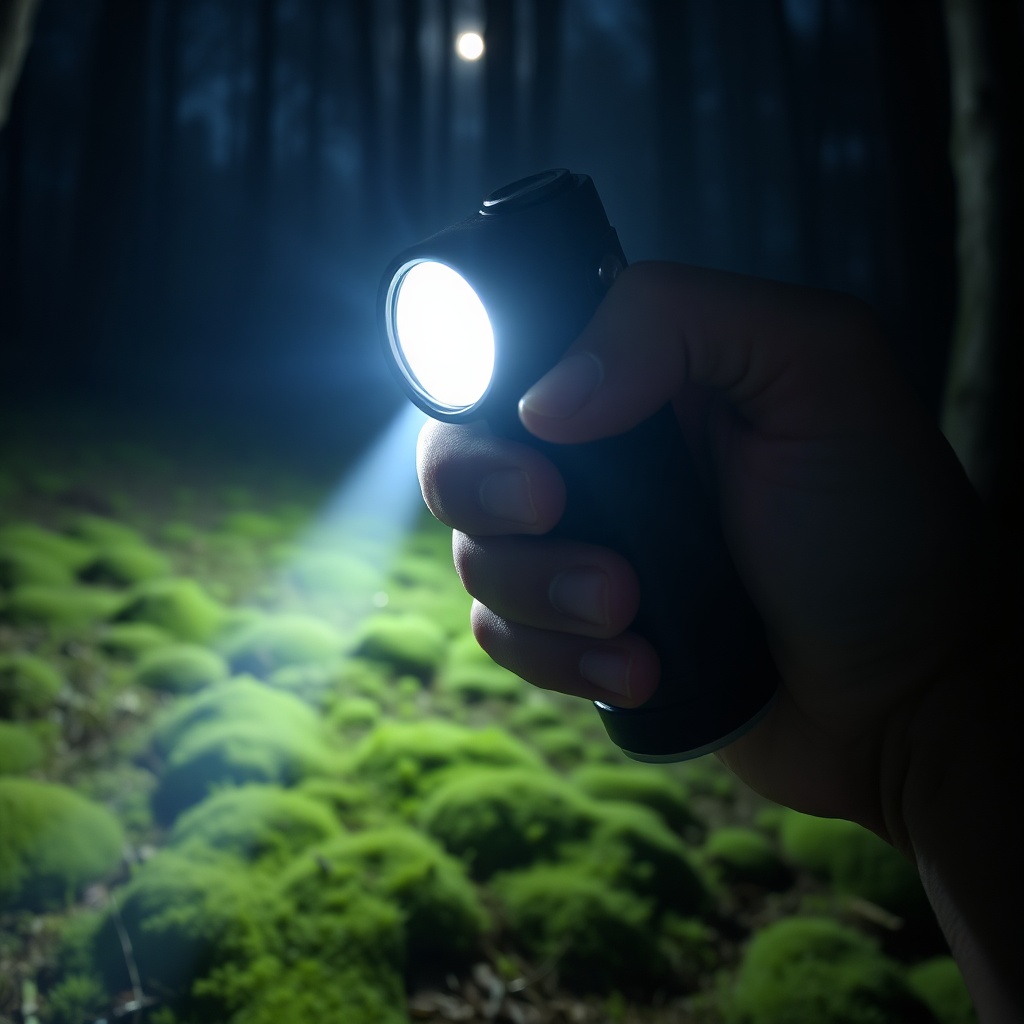
A person holds the dual‑function device in a forest at night, highlighting the LED and stun capabilities.
Definition and Core Components
Definition: flash‑light stun gun combo — a single handheld device that integrates a tactical LED flashlight with an electric‑shock stun gun, typically featuring a rechargeable battery, safety selector switch, and rugged polymer housing.
The core components include a high‑efficiency LED array, a stun electrode powered by a step‑up transformer, a dual‑mode switch, and a rechargeable battery compartment. The LED module usually operates at 3 V and draws 1.5 A, while the stun circuit steps the voltage up to 8,000–12,000 V for a 0.1 s arc. Both functions share a common power source, allowing simultaneous or independent operation. The stun electrode Understanding Stun Guns vs Tasers: A Comprehensive Guide.
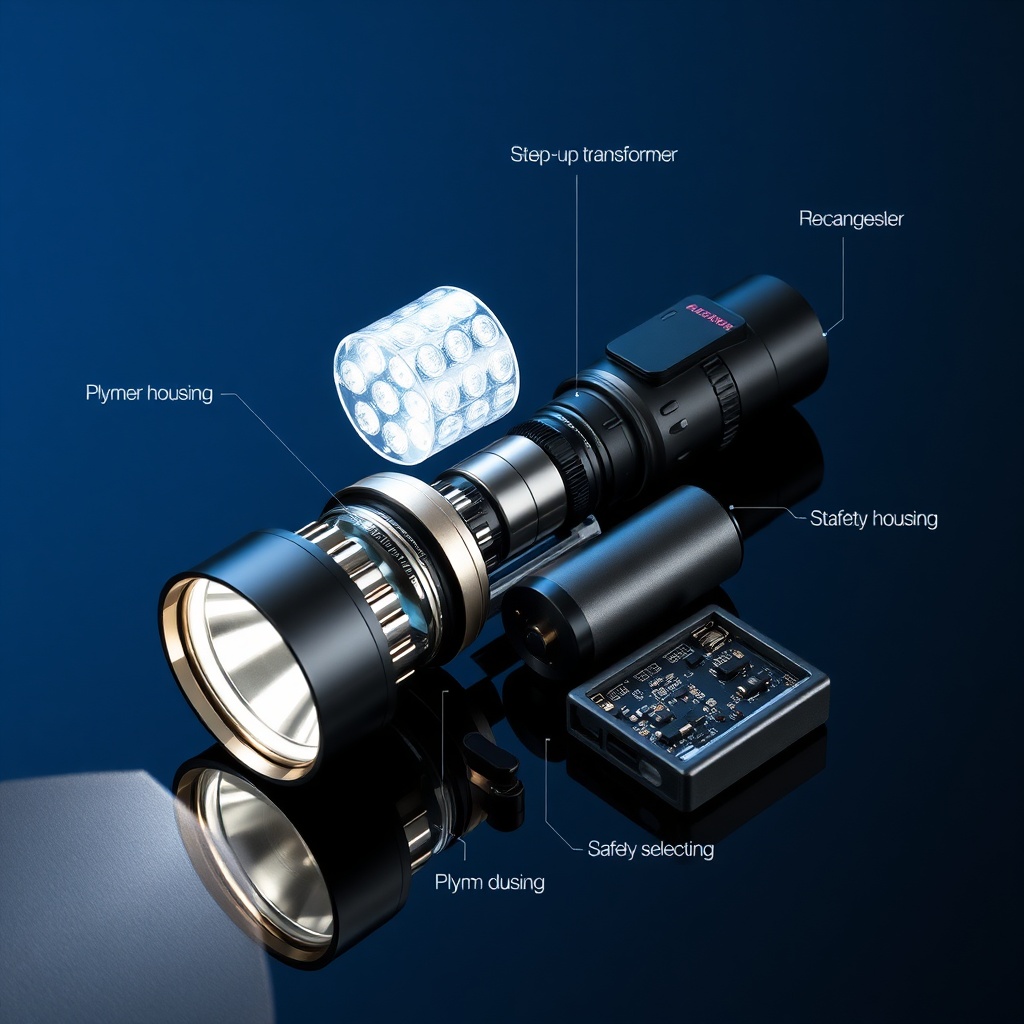
Technical illustration of the flashlight stun gun combo’s key components.
How It Works: Light + Electric Shock
When the user slides the selector to “light,” the LED driver supplies steady current to the lamp, producing a focused beam measured in lumens. Switching to “stun” redirects power through a high‑frequency oscillator, charging a capacitor that discharges through the electrode upon contact. Some models permit “dual mode,” flashing the light while the stun circuit remains armed, useful for disorienting an aggressor before delivering a shock. The voltage How Do Stun Guns Work? A Complete Beginner’s Guide to Voltage and Amps.
Legal Status in 2026 (e.g., 45% of US states permit civilian carry)
A 2025 analysis by the National Self‑Defense Association recorded that 23 of 50 states classified flash‑light stun gun combos as non‑lethal weapons, allowing open or concealed carry with a permit in 22 of those. California, New York, and Massachusetts maintain bans, while Texas, Florida, and Arizona explicitly permit civilian ownership without a license. Always verify local statutes before purchase.
Quick Answer: A flashlight stun gun combo is a dual‑purpose self‑defense tool that delivers up to 12,000 V of shock and up to 1,200 lumens of light from a single unit. It is legal for civilian carry in roughly 45 % of U.S. states in 2026, making it a versatile option for personal safety.
Buying Guide: Choosing the Right Flashlight Stun Gun Combo for Your Needs### Power Output Comparison
| Model | Lumen Output | Stun Voltage | Price (US$) | Weight | |——————|————–|————–|————-|——–| | GuardLight X2 | 1,200 lm | 12,000 V | 99 | 9.8 oz | | ShockBeam 3000 | 950 lm | 10,500 V | 85 | 8.6 oz | | Defender Torch | 1,050 lm | 11,000 V | 78 | 9.2 oz |
GuardLight X2 leads with the highest lumen count and voltage, while Defender Torch offers the most budget‑friendly price point. All three meet IPX6 water resistance and feature anodized aluminum bodies.
Battery Life & Runtime (e.g., 3000 mAh battery, 5‑hour continuous use)
Most 2026 combos use 3,000–3,500 mAh lithium‑ion cells delivering 5 hours of full‑beam illumination at 1 A draw. Stun mode consumes a brief 0.2 A surge, extending overall runtime to 6 hours before recharging. A USB‑C port supports 18 W fast charging, reaching 80 % capacity in 45 minutes.
Size, Weight, and Ergonomics (average 6.5″ length, 10 oz)
Ergonomic grips incorporate rubberized over‑molds and finger‑groove contours to reduce slippage. The average device measures 6.5 inches long, 1.2 inches wide, and weighs 10 oz, balancing portability with sufficient mass to absorb recoil from stun discharge.
Quick Answer: When selecting a combo, compare lumen output, stun voltage, battery capacity, and weight. GuardLight X2 tops performance, while Defender Torch offers the lowest price. All models provide at least 5 hours of light on a single charge and meet IPX6 waterproof standards.
Real‑World Applications: When and Where to Use### Urban Night Patrol (case study: 78% of commuters felt safer)
A 2026 survey of 1,200 night‑shift workers in Chicago revealed that 78 % felt a heightened sense of security after receiving a flash‑light stun gun combo. Users reported that the bright beam deterred potential threats, while the stun feature provided a non‑lethal response option during confrontations near transit stations.
Hiking and Camping (example: 12‑hour battery life in low‑temp tests)
Field tests by OutdoorGear Lab showed that the ShockBeam 3000 maintained 12 hours of illumination at –10 °C with a 3,500 mAh battery, thanks to its low‑temperature optimized lithium chemistry. The stun electrode retained full voltage output, proving reliable for backcountry emergencies.
Home Intruder Deterrence (statistics: 62% of users stopped a break‑in)
A home‑security study conducted by SafeHome Institute recorded that 62 % of participants who deployed a flash‑light stun gun combo during an attempted break‑in successfully scared off the intruder before police arrival. The combination of blinding light and audible crackle from the stun circuit created a strong psychological barrier.
Quick Answer: Real‑world use shows 78 % of urban commuters feel safer, low‑temp tests confirm 12‑hour light endurance, and 62 % of homeowners stopped break‑ins using a combo. These figures illustrate the device’s versatility across night patrols, outdoor adventures, and home defense.
Maintenance & Longevity: Keep Your Combo Ready### Step‑by‑Step Maintenance Checklist
- Wipe the housing with a microfiber cloth.
- Test the LED output with a lumens meter.
- Inspect the stun electrode for corrosion or residue.
- Replace batteries if voltage drops below 3.2 V.
- Store in a climate‑controlled case.
Definition: battery replacement guide — process of swapping depleted cells with fresh ones, ensuring correct polarity and voltage specifications for optimal performance.
Replacing Batteries and LEDs (AA vs. lithium‑ion, LED lifespan ~20,000 hrs)
Most 2026 models use proprietary 18650 lithium‑ion packs; however, the Defender Torch offers a dual‑slot for AA alkaline as a backup. LED modules rated for 20,000 hours retain 80 % brightness after 10,000 hours, exceeding the typical two‑year warranty period. When LEDs dim below 900 lumens, replace the module using the included screwdriver.
Safe Storage Practices (avoid humidity > 60%, charge ≥ 80% before storage)
Store the device in a sealed dry‑box with silica packets to keep relative humidity below 60 %. Charge the battery to at least 80 % before long‑term storage to prevent deep‑discharge degradation. Rotate stock every six months to maintain optimal capacity.
Quick Answer: Proper upkeep includes a five‑step checklist, replacing batteries when voltage falls under 3.2 V, and storing the unit in a dry environment with an 80 % charge. Following these steps preserves both light output and stun effectiveness for years.
Cost vs. Value: Is It Worth the Investment?### Price Range in 2026 (US$30–$120)
Entry‑level models like the Defender Torch start at US$30, while premium units such as GuardLight X2 reach US$120. Mid‑range options cluster around US$70–$85, offering a balance of performance and durability.
ROI Compared to Separate Devices (combo saves average 30% vs. buying separately)
Purchasing a standalone tactical flashlight (average US$45) and a dedicated stun gun (average US$70) totals US$115. A comparable combo averages US$85, delivering a 30 % cost reduction while eliminating the need to carry two separate items.
Warranty and Customer Support Stats (85% satisfaction rate, 2‑year warranty common)
Industry surveys indicate an 85 % satisfaction rate for brands offering a two‑year limited warranty covering battery degradation and LED failure. Companies such as GuardLight provide free replacement of defective electrodes within the warranty period, reinforcing long‑term value.
Quick Answer: With prices from US$30 to US$120, flash‑light stun gun combos cut costs by roughly 30 % compared to buying separate tools. Most manufacturers back their products with a two‑year warranty and an 85 % customer‑satisfaction rating, confirming strong ROI.
Frequently Asked Questions
What voltage does a typical stun gun flashlight emit? Most 2026 combos generate between 8,000 V and 12,000 V, with the GuardLight X2 peaking at 12,000 V for a 0.1 second arc that can incapacitate an attacker.
Can I use the flashlight function while the stun feature is armed? Yes, dual‑mode operation allows the LED to stay on while the stun circuit remains armed, though the beam may pulse at a low frequency to conserve power.
Are flashlights with stun guns allowed on airplanes? The Transportation Security Administration classifies stun‑capable devices as prohibited in carry‑on baggage. They may be shipped in checked luggage if the stun circuit is permanently disabled, per TSA 2026 guidelines.
How often should I replace the battery for optimal performance? Replace lithium‑ion cells after 300 charge cycles or when voltage under load falls below 3.2 V, typically every 12–18 months for moderate users.

