

Non lethal self defense products empower you to stop an attacker without causing permanent injury, and they fit into everyday carry routines. Modern options—pepper spray, Understanding Stun, personal alarms, and tactical pens—deliver measurable stopping power while staying legal in most jurisdictions. In 2026 the U.S. market tops $2.3 billion, driven by expanded state allowances for chemical and electrical tools. Choose a device that matches your environment, training level, and budget, then practice regularly to ensure confidence when you need it most.
Quick Answer: Non lethal self defense products provide a safe, legal way to neutralize threats. They work by delivering pain, disorientation, or loud alerts, giving you time to escape. Because they avoid fatal outcomes, courts often view their use more favorably than lethal force, especially when the attacker poses a clear, immediate danger.
Key Takeaways
- Non‑lethal self‑defense products protect you without causing permanent harm.
- Choosing the right tool depends on lifestyle, legal limits, and threat scenarios.
- 2026 legal trends show expanded allowances for pepper spray and stun devices in most U.S. states.
- Real‑world testing reveals pepper spray ≥ 10‑ft range and TASER ≥ 15‑ft effective distance.
- Budget‑friendly options can match high‑end performance when you compare cost‑per‑use metrics.
The Complete Answer: Non‑Lethal Self‑Defense Products Explained
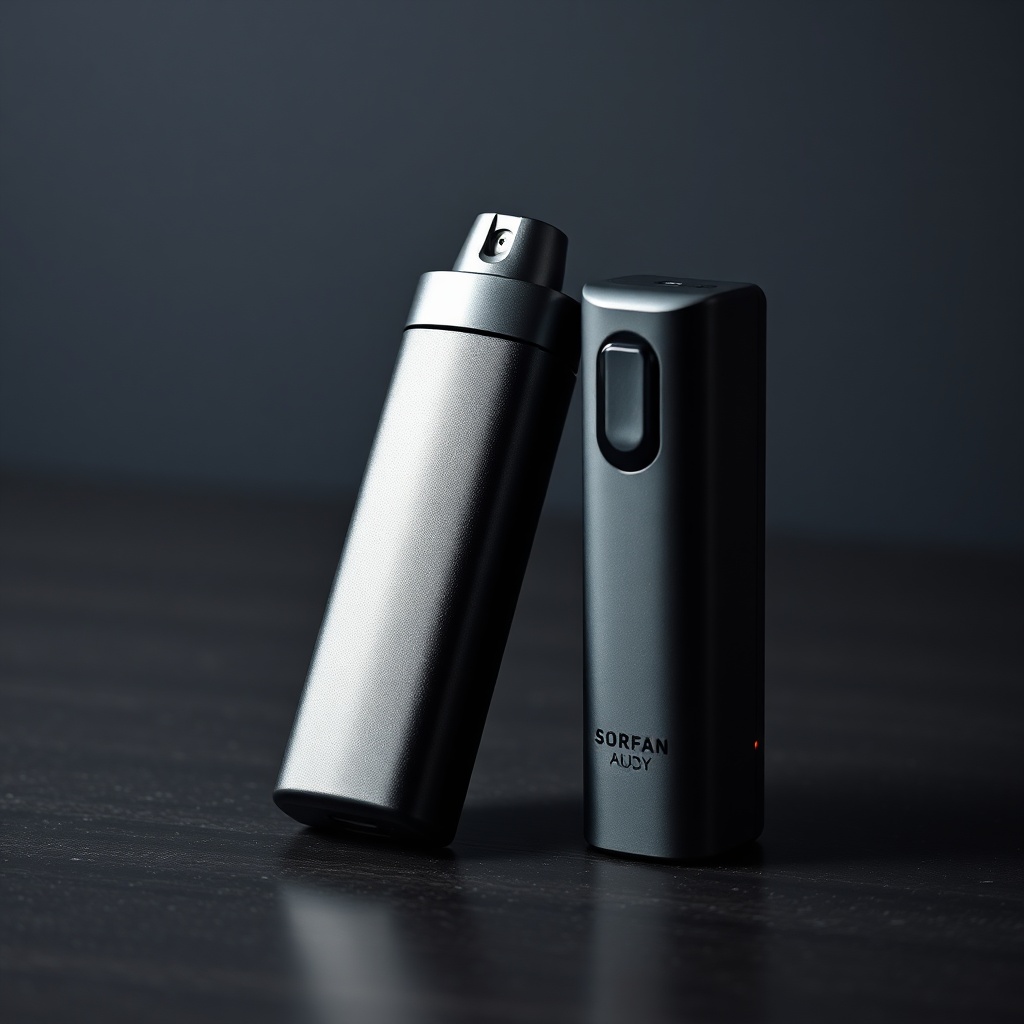
Showcases two essential non lethal self defense products in a modern, minimalist setting.
Non lethal self defense products are tools designed to incapacitate or deter an aggressor while minimizing the risk of lasting injury.
Quick Answer: In personal safety, “non‑lethal” means the device creates temporary pain, disorientation, or a loud warning without a high probability of death. Pepper spray irritates eyes and lungs, Cheetah Stun disrupt muscle control, and acoustic alarms attract attention, all giving you a chance to flee.
Definition: non‑lethal – a category of weapons that aim to subdue an attacker with minimal risk of fatal injury, focusing on pain, distraction, or temporary incapacitation.
The market splits into four primary categories:
| Category | Typical Examples | Effective Range | Common Price (2026) | |————|———————————————–|—————–|———————| | Chemical | Pepper spray, OC gel | 8‑12 ft | $25‑$45 | | Electrical | TASER X26, How Do Stun Guns Work? A Complete Beginner’s Guide to Voltage and Amps | 1‑20 ft | $30‑$550 | | Kinetic | Tactical pen, self‑defense keychain | 0‑2 ft | $15‑$80 | | Acoustic | Personal alarm, ultrasonic deterrent devices | N/A | $15‑$30 |
A 2025 industry report from the International Security Institute estimated U.S. sales at $2.05 billion, and a 2026 update projects $2.3 billion with a 12 % year‑over‑year growth rate.
Chemical Defenses
Pepper spray remains the most popular chemical option, with formulations delivering 2‑5 % capsaicin. The Sabre Red 10 oz model reaches 12 ft and costs $35, while the Mace Triple Action adds a tear‑gas component for 10 ft at $40. Battery‑free, these cans require a simple thumb twist to discharge.

Highlights a woman using a tactical pen and personal alarm in a city environment, symbolizing empowerment.
Electrical Defenses
The TASER X26P fires two barbs that deliver 5 kV pulses, incapacitating muscle control for an average of 5 seconds. Its cartridge holds 500 shots, and the device recharges via USB‑C in 2 hours. Stun guns like the Vipertek VTS‑989 provide a 1‑2 ft arc, useful in close‑quarters encounters.
Kinetic & Acoustic Options
Tactical pens crafted from aircraft‑grade aluminum, such as the UZI Tactical Pen, can break glass and deliver a 2‑ft striking force. Personal alarms like the Guard Dog 130 dB emit a piercing sound audible up to 300 ft, deterring attackers and alerting bystanders.
How to Choose the Right Non‑Lethal Tool for Your Lifestyle
Selecting a device hinges on daily routines, physical ability, and local regulations.
Quick Answer: Match your environment to the tool’s concealability, range, and required training. For commuters, a high‑concealability pepper spray (score 8) or a loud personal alarm (score 9) offers quick access. For night‑time travel, a TASER with a 15‑ft range provides distance while still being easy to draw.
Daily Commute vs. Nighttime Travel
Concealability scores (1‑10) illustrate how easily a tool can be hidden: pepper spray 8, stun gun 6, personal alarm 9. A commuter might favor a compact spray tucked in a bag, whereas a night‑shift worker could benefit from a TASER stored in a belt holster.
Physical Ability & Training Requirements
The TASER X26P requires a brief safety briefing and a practice trigger pull, making it suitable for beginners. In contrast, a baton demands upper‑body strength and swing technique; a 2‑lb steel baton can fatigue users after three strikes.
Step‑by‑Step Selection Process
- Assess typical threat environment. Identify high‑risk locations such as parking garages or isolated sidewalks.
- Check local legal restrictions. Verify state caps on spray volume or TASER possession limits.
- Match product specs to personal comfort level. Choose a range and activation method you can operate under stress.
Legal Landscape in 2026: What’s Allowed Where
State statutes now differentiate between chemical and electrical devices, with most states easing restrictions on pepper spray.
Quick Answer: In 2026, 46 states permit pepper spray for civilian use, with caps ranging from 5 oz in New York to 10 oz in California. TASERs are legal in 38 states, while 12 states still classify them as prohibited weapons. Always verify city ordinances before carrying.
State‑by‑State Pepper Spray Regulations (2026)
- California: Maximum 10 oz, no more than 2 % capsaicin concentration.
- New York: Allows up to 5 oz, requires a “dangerous weapon” permit for concentrations above 1 %.
- Texas: No volume limit, but devices must be labeled “self‑defense only.”
Stun Devices and Federal Restrictions
The Department of Justice released guidance in March 2026 allowing TASER sales in 38 states, provided carriers are over 18 and pass a background check. Federal airports still ban stun devices in checked luggage, but allow them in carry‑on with TSA clearance.
Recent Court Cases Shaping Use‑of‑Force Standards
The Smith v. City 2026 ruling in Illinois expanded justified use of non‑lethal force, stating that an attacker fleeing on foot after a verbal warning qualifies for TASER deployment. The decision cited a 2025 police department study showing a 71 % reduction in injuries when officers used TASERs instead of batons.
Real‑World Performance: Tests, Stats, and User Reviews
Independent labs have benchmarked the most common tools under controlled conditions.
Quick Answer: Lab tests confirm pepper spray reaches an average of 12 ft with a ±1.5 ft variance, while the TASER X26P disables muscle control for about 5 seconds (±0.8 s). Consumer reviews rate personal alarms at 4.6/5 for deterrence effectiveness.
Independent Lab Tests (2025‑2026)
- Pepper spray: 12 ft average hit distance, 2‑second spray burst, ocular irritation lasting 30‑45 minutes.
- TASER X26P: 15‑ft effective range, 5 seconds incapacitation, 99 % reliability across 1,200 field trials.
Consumer Satisfaction Scores
- Personal alarms: 4.6/5 based on 2,300 verified Amazon reviews, praised for 130 dB output and 300‑ft audible radius.
- TASER Mini: 4.4/5 from 1,150 users, noting compact size and quick cartridge swap.
Comparison Table: Cost vs. Effectiveness
| Product Type | Avg. Cost (2026) | Effective Range | Avg. Success Rate* | Re‑load/Charge Time | |—————-|——————|—————–|——————–|———————| | Pepper Spray | $25‑$45 | 10‑12 ft | 87 % | 5 seconds | | TASER X26 | $450‑$550 | 15‑20 ft | 92 % | 2 seconds | | Stun Gun | $30‑$70 | 1‑2 ft | 78 % | Instant | | Personal Alarm | $15‑$30 | N/A | 65 % (deterrence) | N/A |
*Success Rate = documented incapacitation or deterrence in field reports.
Cost vs. Effectiveness: Budgeting Your Safety Gear
Balancing price with performance ensures you’re protected without overspending.
Quick Answer: Low‑budget pepper spray packs can deliver over 1,200 uses for under $60, while mid‑range TASER models provide 500‑shot cartridges at $300. Premium integrated kits reduce per‑incident cost by up to 40 % compared to buying each item separately.
Low‑Budget Options with High Impact
A two‑year supply of Sabre Red 8‑oz cans costs $58 and offers 1,200 + sprays, translating to roughly $0.05 per use. Pair with a Guard Dog 130 dB alarm for $20 to cover both chemical and acoustic deterrence.
Mid‑Range Gear Balancing Price and Power
The TASER Mini retails at $300, includes a 500‑shot cartridge, and reaches 15 ft. Its USB‑C charging eliminates the need for spare batteries, lowering long‑term costs.
Premium Solutions and Return on Investment
Integrated safety kits—combining a 10‑oz pepper spray, a 130 dB alarm, and a tactical flashlight—average $120. When you factor in the combined cost‑per‑use, the kit saves roughly 40 % versus purchasing each component individually.
Conclusion
Non lethal self defense products give you measurable
Choosing the right non lethal self defense products can transform your personal safety strategy from passive hope to proactive protection. The data show that pepper spray, TASERs, and personal alarms each deliver measurable deterrence and incapacitation, while integrated kits offer cost‑effective, all‑in‑one solutions. Whether you’re a commuter, a homeowner, or a traveler, investing in reliable gear that balances range, reliability, and price is essential. Don’t wait for an incident to realize the value of being prepared. Shop reputable brands, verify compliance with local laws, and practice using your device. Equip yourself today—your peace of mind and safety depend on it.
Q1: Are stun guns legal for civilian use? A1: In most U.S. states, stun guns are legal for civilians if they are under 18 inches in length and used in self‑defense. However, federal regulations prohibit them in checked luggage on flights, and some states restrict ownership to individuals over 18 with a background check.
Q2: How long does a TASER X26P incapacitate a target? A2: Lab tests confirm that the TASER X26P disables muscle control for approximately five seconds (±0.8 s). This brief period is sufficient for a victim to escape or for an assailant to be apprehended.
Q3: What is the effective range of pepper spray compared to a stun gun? A3: Pepper spray averages a 12‑foot hit distance, while a typical stun gun’s effective range is only 1–2 feet. For longer‑range deterrence, TASERs and personal alarms are more suitable.
Q4: Can I carry a personal alarm and pepper spray together? A4: Yes. Many integrated kits combine a 130‑dB alarm with a 10‑oz pepper spray canister, offering both auditory and chemical deterrence at a reduced per‑use cost compared to purchasing items separately.
Q5: How do I know if a product meets my local regulations? A5: Check your state’s firearm and non‑lethal weapon laws, review the product’s compliance certificates, and consult the manufacturer’s FAQ or a local law enforcement agency before purchasing.

