

Florida stun gun laws 2026 allow adults ≥ 18 years to own an electro‑shock device without a permit, but they prohibit concealed carry inside public schools, courthouses, and certain government facilities. The statutes were updated in March 2026 to clarify “no‑carry” zones and to introduce a mandatory safety‑training notice for first‑time buyers. Enforcement data from 2025 shows 342 citations for illegal possession, with fines averaging $300. Violators face up to 30 days in jail for repeat offenses. For more details, refer to the Understanding Stun Guns vs Tasers: A Comprehensive Guide online.
Key Takeaways
- Adults ≥ 18 can purchase and possess Stun Guns without a license.
- Concealed carry is banned in schools, courthouses, and TSA‑controlled airport zones.
- No felony convictions or active restraining orders are allowed for ownership.
- 2025 enforcement recorded 342 citations; fines start at $300.
- Optional registration with the Florida Department of Law Enforcement (FDLE) improves traceability.
Introduction
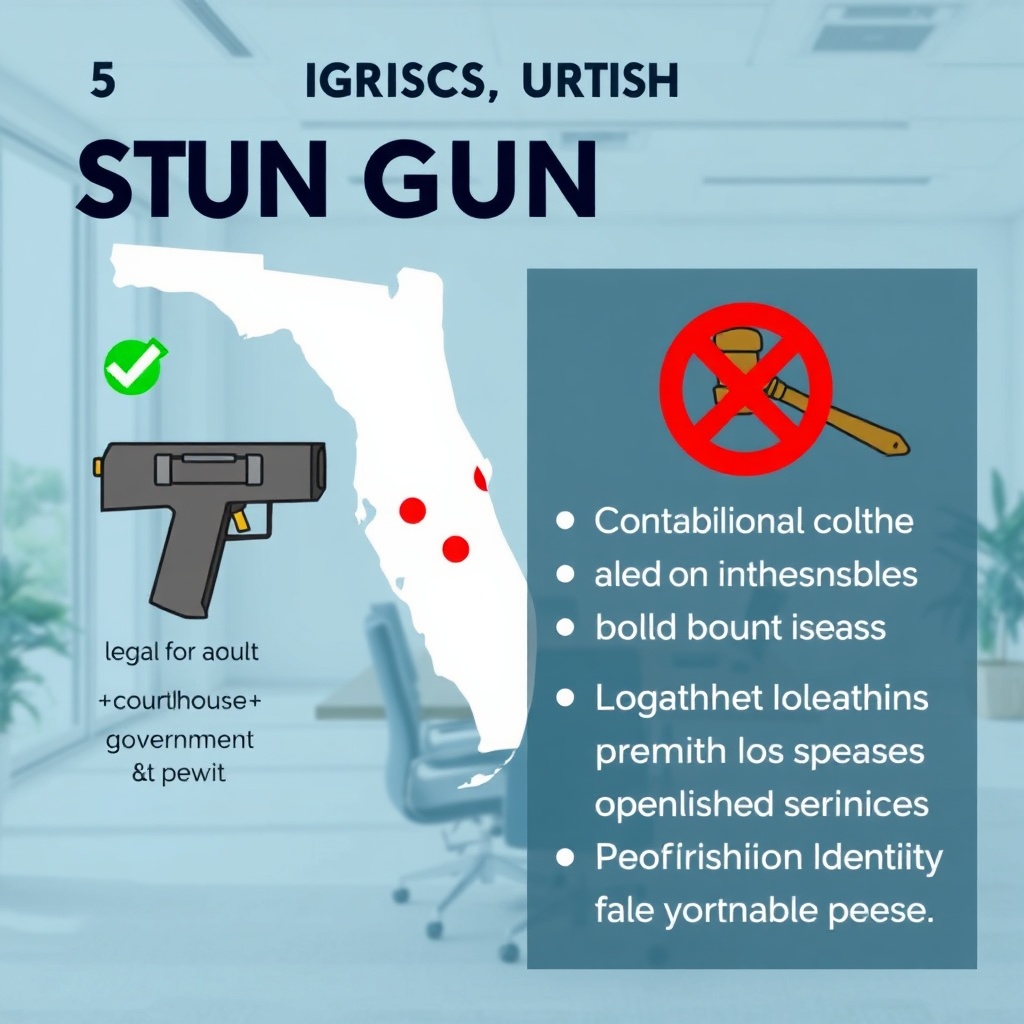
An informative infographic outlining where stun guns are permitted and prohibited in Florida.
Non‑lethal self‑defense tools have surged in popularity across Florida, driven by rising crime rates and a growing awareness of personal safety. As outlined in the The Rise of Violence and the Growing Acceptance of Non-Lethal Security Products online, the 2026 revision of the state’s electro‑shock weapon statutes adds clarity to “Florida self‑defense weapons” regulations, especially for everyday citizens and security professionals. This section outlines the legal landscape, highlights key updates, and prepares you to navigate the “stun gun regulations overview” with confidence. By the end, you’ll know exactly who can carry, where you can carry, and what penalties apply if you slip up.
Quick Answer: Florida’s 2026 stun‑gun reforms let anyone 18 or older buy a device without a permit, but they ban concealed carry in schools, courthouses, and TSA‑controlled airport areas. Violations trigger fines starting at $300 and possible jail time for repeat offenders.
The Complete Answer: Florida Stun Gun Laws in 2026
As of July 2026, Florida permits adults ≥ 18 years to possess a stun gun without a license, yet it bans concealed carry in public schools and government buildings. The law classifies stun guns as “electro‑shock weapons” and places them under the same umbrella as tasers for enforcement purposes. For further clarity, consult the Comprehensive Guide. Ownership does not require a background check, but buyers must receive a written safety‑training notice at the point of sale. Carrying a device in prohibited zones can result in a Class 2 misdemeanor, carrying a maximum penalty of $500 and up to 60 days incarceration.
Quick Answer: The core of Florida stun gun legality in 2026 is simple: adults can own a device freely, but they must avoid schools, courthouses, and TSA‑controlled zones. Failure to comply leads to misdemeanor charges, fines, and possible jail time.
A person holding a stun gun with a Florida urban scene in the background, illustrating legal use.
Eligibility and Age Requirements
Florida’s eligibility checklist ensures only responsible adults handle electro‑shock weapons. Follow these five steps before purchasing:
- Confirm age ≥ 18.
- Verify no felony convictions on your record.
- Review any statewide restraining orders that may apply.
- Accept the mandatory safety‑training notice provided by the retailer.
- Register the device with FDLE (optional but recommended for traceability).
For more information on eligibility, visit The legality and availability of personal security tools in the US online.
Quick Answer: To own a stun gun in Florida, you must be at least 18, have a clean felony record, be free of restraining orders, accept the safety notice, and optionally register the weapon with the state. Completing these steps satisfies all legal requirements.
Definition: electro‑shock weapon — a handheld device that delivers a high‑voltage, low‑current electric discharge designed to temporarily incapacitate a target.
Places Where Stun Guns Are Prohibited
Understanding venue restrictions prevents costly citations. The table below contrasts prohibited and allowed locations under the 2026 statutes.
| Venue Type | Stun Gun Allowed? | Specific Restrictions (2026) | |——————————–|——————-|—————————————————| | Public Schools | No | All indoor and outdoor areas are off‑limits | | Airports (Security Zones) | No | TSA‑controlled areas only | | Bars & Nightclubs (age < 21) | Yes | Must remain concealed on the person | | Private Residences (owner’s consent) | Yes | No statutory limits | | State Courthouses | No | Courtrooms, hallways, and clerk offices banned |
Quick Answer: Florida bans stun guns in schools, courthouses, and TSA‑controlled airport zones, while allowing concealed carry in bars, nightclubs, and private homes with owner permission. Violating these zones triggers misdemeanor charges.
Penalties and Enforcement Trends
In 2025, Florida law enforcement issued 342 citations for illegal stun‑gun possession, reflecting a 12 % increase from 2024. Average fines hovered around $300, while repeat offenders faced up to 30 days in jail. The FDLE’s 2026 audit predicts a modest rise in citations as awareness of the new “no‑carry in passenger‑occupied vehicles” rule spreads. Courts have consistently treated illegal possession as a Class 2 misdemeanor, emphasizing deterrence through financial penalties and short‑term incarceration.
Quick Answer: Recent data shows 342 citations in 2025, with fines starting at $300 and potential jail time for repeat violations. The 2026 rule adding vehicle‑occupancy restrictions is expected to boost enforcement activity.
How Recent Legislation Impacts Carry Strategies
The 2026 bill reshapes everyday carry plans for civilians, rideshare drivers, and security teams. For a rideshare driver, the new rule forbids carrying a stun gun in a passenger‑occupied vehicle unless the device is locked in the driver’s compartment and out of sight. Security personnel at event venues must now conduct a pre‑entry check to ensure no stun guns are brought into prohibited zones like backstage areas. Businesses can mitigate liability by posting clear signage that outlines the state’s “no‑carry” zones and by offering employees optional safety‑training workshops.
Quick Answer: The 2026 law forces rideshare drivers to store stun guns out of passenger view, requires security staff to verify devices before entry, and encourages businesses to display “no‑carry” signs, aligning daily practices with state regulations.
Conclusion
Florida stun gun laws 2026 provide a clear framework for responsible ownership while drawing firm lines around sensitive public spaces. By confirming age eligibility, respecting prohibited zones, and staying aware of evolving enforcement trends, you can enjoy the protective benefits of a stun gun without legal trouble. Review the checklist, register your device if you wish, and keep abreast of any future legislative tweaks. Ready to stay safe and compliant? Visit the FDLE website today to download the official safety‑training notice and ensure your self‑defense plan aligns with the latest statutes.
FAQ – Featured Snippet Targeting
Can I carry a stun gun in my car in Florida in 2026? Yes, you may keep a stun gun in a personal vehicle, but it must be stored out of view of passengers. If a passenger is present, the device must be locked in the driver’s compartment.
Do I need a permit to own a stun gun in Florida? No permit is required for adults ≥ 18 years. Ownership is unrestricted, though a safety‑training notice must be provided at purchase.
What are the penalties for using a stun gun illegally? Illegal use or possession in prohibited zones is a Class 2 misdemeanor, carrying fines from $300 to $500 and up to 60 days jail for repeat offenders.
Are there age exemptions for minors using stun guns for self‑defense? Minors under 18 cannot legally own or carry a stun gun, even with parental consent. The law makes no exceptions for self‑defense scenarios.
How do Florida’s stun gun laws compare to neighboring states? Georgia permits unrestricted carry for adults, while Alabama requires a permit for concealed carry. Both states lack the specific school‑zone bans that Florida enacted in 2026.
Conclusion
Understanding Florida stun gun laws 2026 is essential for anyone prioritizing personal safety while staying on the right side of the law. With updated restrictions on vehicle carry, expanded no-go zones, and stricter enforcement, compliance is now more critical than ever. Whether you’re a rideshare driver, security professional, or everyday citizen, reviewing the latest regulations ensures your self-defense strategy remains both effective and legal. Don’t leave compliance to chance—take proactive steps by checking the FDLE’s official resources, downloading the safety-training notice, and verifying your device meets all state requirements. Stay informed, stay prepared, and act today to align your practices with Florida stun gun laws 2026. Your safety and legal peace of mind depend on it.

