

A small can of spray can be the difference between a good hike and a dangerous encounter. Hiking pepper spray is a niche but growing category of backcountry safety gear, distinct from bear spray, with its own use cases, limitations, and legal caveats. This guide covers what hiking pepper spray is, when to use it, how to choose it, and how to use it correctly — written for day hikers, 10 Best, and backpackers who want a lightweight, Comprehensive Guide to Non-Lethal Defense Systems for Individuals online for human or animal threats (excluding large bears).
Key Takeaways
- Hiking pepper spray is a compact, personal-defense tool designed primarily for human threats and smaller wildlife — it is not a substitute for bear spray in grizzly country.
- The most important factors in choosing a spray are spray pattern, range, and accidental-discharge safety.
- Knowing how to deploy the spray under stress is more critical than the brand or the heat rating.
- The legality rules around pepper spray vary by location, including some national parks and international destinations — check before you hike.
- Regular inspection and proper storage extend the life of your spray, but every unit has an expiration date.
The Complete Answer: What Is Hiking Pepper Spray and Why Do You Need It?
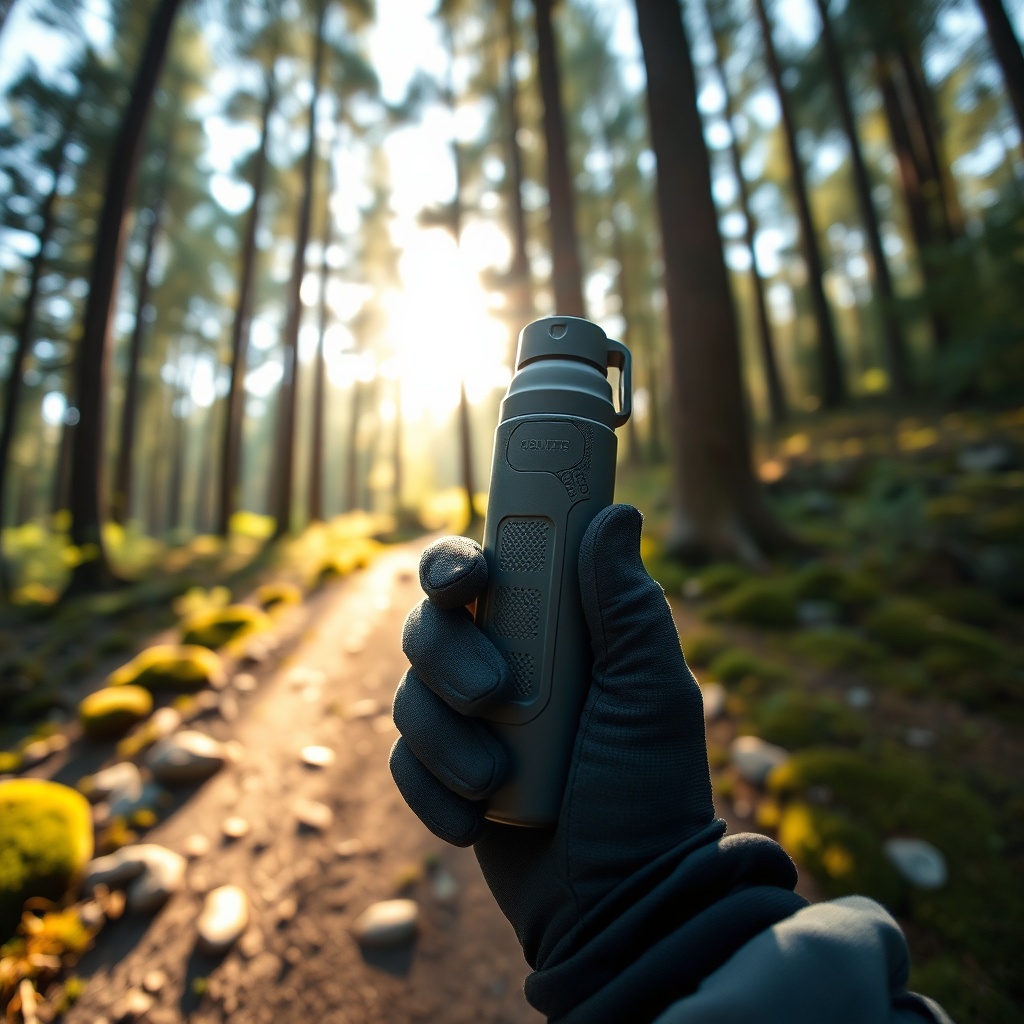
Product-focused outdoor shot emphasizing portability, safety features, and readiness for wilderness hiking.
Definition and Purpose
Definition: Hiking pepper spray is a compact, canister-based self-defense spray containing oleoresin capsicum (OC) — the active ingredient in chili peppers — designed for personal carry in the backcountry.
The primary purpose of hiking pepper spray is to create a temporary, intense irritation to the eyes and respiratory system, giving you a window to escape or create distance. It also serves as a psychological deterrent — the visible presence of the spray can discourage an aggressive encounter before it escalates.
Common hiking scenarios for pepper spray include stray dogs, aggressive humans on remote trails, and small-to-medium wildlife such as coyotes or raccoons. It is not designed for large bears.
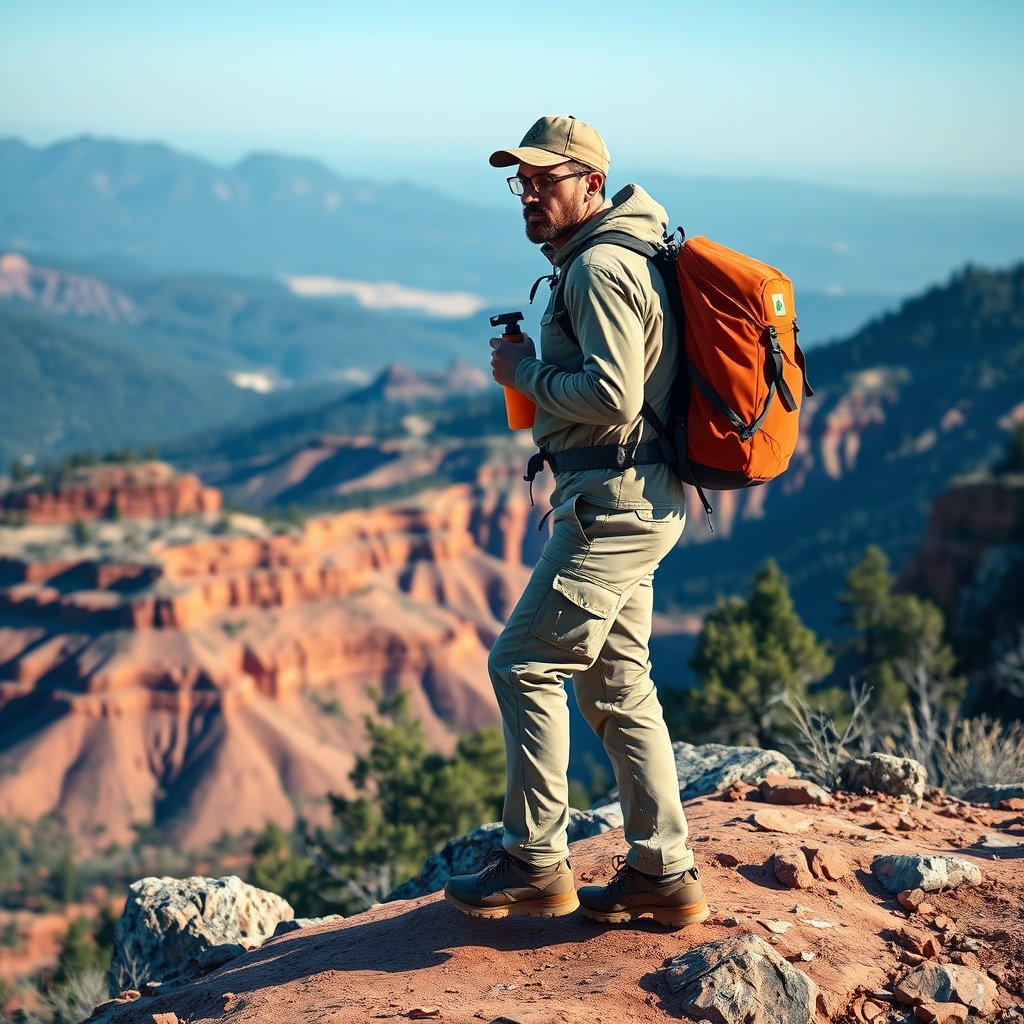
Action-oriented instructional image showing correct handling, aim, and body positioning for outdoor personal safety.
Legal Considerations
Quick Answer: Pepper spray legality varies widely by country, state, and even specific national parks. Always research the rules for your exact trailhead before you go.
Some jurisdictions limit canister size or require a permit for possession. National parks in the United States, for example, have their own regulations that can differ from the surrounding state. International destinations add another layer of complexity — Self-Defense on travel restrictions are also important. Pepper spray is generally prohibited in both carry-on and checked luggage, so verify the rules before flying to a trailhead.
How It Differs from Self-Defense Spray
Hiking pepper spray is often smaller, lighter, and more compact than a Stun Guns vs. Pepper Spray: Choosing the Right Self-Defense Tool online. The key difference is the intended environment: backcountry carry demands a lower profile, higher reliability, and weather-resistant design.
Some hiking-specific models include a hand strap or clip for quick access while walking. This matters because a spray buried in a backpack is useless during an encounter.
Choosing the Right Hiking Pepper Spray: Key Factors
Spray Pattern and Range
Quick Answer: Stream sprays offer longer range and better wind resistance; cone sprays cover a wider area but are more affected by wind; fog sprays are best for indoor use and impractical on a trail.
The three main spray patterns are stream, cone, and fog. A stream delivers a concentrated line of spray that travels farther and resists wind better. A cone creates a broader cloud that covers more area but drifts more easily in breezy conditions. Fog is a fine mist that’s effective in confined spaces but useless outdoors where wind disperses it.
Effective range for most personal defense sprays falls between 6 and 12 feet. The exact range depends on the specific product, so check the manufacturer’s specifications. Why range matters: you want to deploy the spray before the threat is within arm’s reach.
Size and Weight for Backcountry Carry
Typical canister sizes range from 0.5 oz to 2 oz. The trade-off is straightforward: a larger canister offers more shots but adds weight and bulk to your pack.
Look for a design that clips to a hip belt, chest strap, or shoulder strap for instant access — not buried in a backpack. A quick access holster for backpacks is a common feature on hiking-specific models.
Safety Features and Accident Prevention
Trigger locks, flip-top safety caps, and anti-discharge mechanisms are critical when the spray is carried in a pack. Accidental discharge inside a backpack can ruin gear and cause serious irritation to your eyes and skin. Empowering Yourself: The Use of Non-Lethal Self-Defense Techniques products consider a model with a visible safety indicator, such as a red dot that appears when the spray is armed. This simple visual cue prevents fumbling under stress.
How to Use Hiking Pepper Spray Effectively
Step-by-Step Deployment
- Assess the threat: Confirm the aggressor is within range and you have a clear escape route.
- Release the safety mechanism: Remove the cap or flip the safety switch — practice this without looking.
- Aim at the face: Point the nozzle toward the attacker’s eyes and face, not upward.
- Deploy in short bursts: Use 1–2 second bursts, not a continuous spray, to conserve the canister.
- Move immediately: Back away or run while the attacker is incapacitated — do not stay to observe.
- Reassess and call for help: Once safe, check the area and contact emergency services if needed.
Practice and Familiarization
Dry-fire practice is essential. Practice releasing the safety and aiming with an empty or inert training canister so you can deploy the spray without looking. Know your spray’s trigger resistance and sound — you should recognize the mechanism by feel alone.
Review the manufacturer’s instructions and practice in a safe, open area before the trail. This familiarity is what makes the difference in a real encounter.
Hiking Pepper Spray vs. Bear Spray: A Comparison
Comparison Table
| Feature | Hiking Pepper Spray | Bear Spray |
|---|---|---|
| Primary Threat | Humans, dogs, small wildlife | Large bears (grizzlies, black bears) |
| Typical Range | 6–12 feet | 25–30 feet |
| Spray Pattern | Stream or cone | Wide fog |
| Canister Size | 0.5–2 oz | 7.9–9 oz |
| Weight | Light, easy for trail carry | Heavier, designed for quick draw from a holster |
| Legal Restrictions | Varies by jurisdiction | Restricted in some national parks and countries |
| Effectiveness on Bears | Not recommended | Specifically formulated for bear deterrence |
When to Choose Which
Staying Safe on the Go: The Role of Pepper Spray in Personal Security online choose hiking pepper spray for day hikes in areas without large bear populations, or where human encounters are the primary risk. Choose bear spray when hiking in grizzly or black bear habitat, especially in national parks known for bear activity.
Consider carrying both in mixed-risk environments — but check local regulations first. Some parks prohibit one or the other, and carrying a prohibited item can result in fines or confiscation.
Safety, Storage, and Maintenance
Proper Storage Conditions
Store your pepper spray in a cool, dry place away from direct sunlight and extreme heat. Do not leave it in a hot car or attached to a pack that will be stored in a warm trunk — heat can cause leaks or pressure buildup.
Keep it out of reach of children and pets. The active ingredient causes severe eye and skin irritation.
Expiration and Inspection
Most pepper sprays have a shelf life of 2–4 years from the manufacture date. Check the expiration date on the canister and replace it before it expires.
Inspect the canister regularly for dents, rust, or a leaking nozzle — a damaged unit may fail when needed. Mark the purchase or expiration date on the canister with a permanent marker so you know when to replace it.
Test-fire a small burst every 6–12 months to confirm the spray still works — but do this in a safe, open area away from people and animals.
Frequently Asked Questions (FAQ)
Is hiking pepper spray legal everywhere?
No — legality varies by country, state, and even specific national parks. Always research the rules for your exact trailhead before you go.
Can I use hiking pepper spray on a bear?
No — hiking pepper spray is not formulated for bears. Bear spray has a much larger range and a fog pattern designed to stop a charging bear. In bear country, carry bear spray.
How long does hiking pepper spray last?
Most pepper sprays have a shelf life of 2–4 years, but you should check the expiration date on the canister and replace it before it expires.
What should I do if I accidentally get pepper spray on myself?
Flush the affected area with cool, clean water for at least 15 minutes. Do not rub your eyes, and remove contaminated clothing. Seek medical help if symptoms persist.
Does pepper spray work against dogs?
Yes — pepper spray is effective against aggressive dogs, but you should aim for the dog’s face and eyes. Some hikers carry a dedicated dog-deterrent spray with a lower concentration.
Conclusion
Hiking pepper spray is a lightweight, effective self-defense tool for human and small-animal encounters, but it is not a universal solution. Understanding your environment, choosing the right spray, and practicing its use are all essential to making it work when you need it.
Check the regulations for your next hike, select a spray that fits your carry style, and practice the deployment steps before you hit the trail.

