

The confusion between a stun gun and a taser is more than a matter of vocabulary—it can affect your safety decisions and legal standing. While both devices use electricity to stop an attacker, they work in fundamentally different ways. A stun gun requires direct physical contact to deliver a shock, whereas a taser fires projectile probes that deliver an electric pulse from a distance. This guide explains Cheetah Stun Guns vs Tasers: A Comprehensive Comparison in depth, covering the mechanisms, effectiveness, legal issues, and practical considerations so you can make an informed choice.
Key Takeaways
- Stun guns require direct physical contact; tasers deliver an electric shock from a distance via projectile probes.
- Tasers are generally more effective at stopping a threat before it reaches you, but they are more expensive and require reloading.
- Stun guns are simpler, cheaper, and can serve as a contact deterrent, but they put you within arm’s reach of an attacker.
- Legal restrictions vary significantly by jurisdiction—what is legal in one state or country may be prohibited in another.
- Neither device is a substitute for training, situational awareness, and a broader self-defense strategy.
The Complete Answer: What Is the Difference Between a Stun Gun and a Taser?
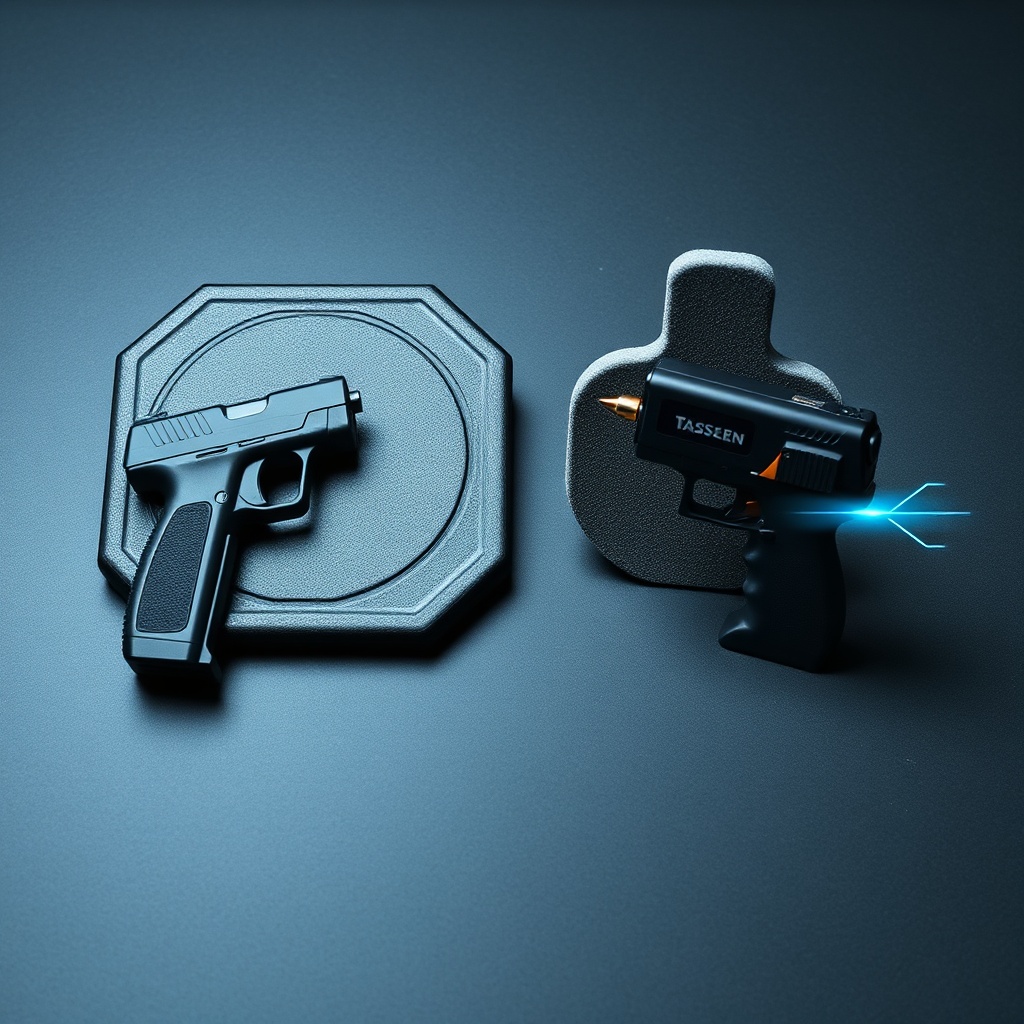
Clear visual breakdown of how each device functions, contrasting direct-contact shock delivery with remote projectile firing.
The most important distinction in the stun gun vs taser debate is the delivery method. A stun gun is a contact device; a taser is a projectile device. This single difference determines their effective range, their stopping power, and how you would use them in an emergency.
The Core Mechanism of a Stun Gun
A stun gun is designed to be pressed directly against an attacker’s body. It works by delivering a high-voltage, low-amperage shock that disrupts muscle control. The electrical current must pass through clothing or skin to be effective.
When you activate a stun gun and press it against someone, the electricity interferes with the body’s natural electrical signals. This causes pain and can temporarily disrupt voluntary muscle control. The effect is often described as a painful, startling sensation that gives you a window to escape.
Definition: A stun gun is a handheld device that delivers an electric shock through direct skin-to-skin contact to temporarily incapacitate or deter an attacker.
Scene depicting the thoughtful assessment of personal defense tools, emphasizing training, legal compliance, and strategic safety planning.
The Core Mechanism of a Taser
A taser, on the other hand, fires two barbed darts connected to the device by conductive wires. These darts are designed to attach to the target’s clothing or skin. Once the probes make contact, the device delivers an electric pulse that causes neuromuscular incapacitation (NMI).
The electrical pulse overrides the central nervous system, causing involuntary muscle contraction. The target loses control over their voluntary muscles and may fall to the ground. This effect is much stronger than the pain compliance of a stun gun because it directly interferes with the body’s motor functions.
Definition: Neuromuscular incapacitation (NMI) is a state in which an electric current overrides the nervous system’s signals to muscles, causing involuntary contractions and loss of motor control.
The Most Important Operational Difference: Range
| Feature | Stun Gun | Taser |
|---|---|---|
| Range | Zero—requires direct contact | Approximately 15 feet (depending on model) |
| Delivery | Direct skin-to-skin contact | Projectile probes with conductive wires |
| Primary Effect | Pain compliance and localized muscle disruption | Neuromuscular incapacitation |
| Ammunition | None—rechargeable battery only | Disposable cartridges |
| Reloadability | Not applicable | Requires replacement cartridges after use |
The range difference is the most critical factor in a self-defense scenario. A stun gun offers zero range—you must be within arm’s length to use it effectively. A taser provides a standoff distance of approximately 15 feet, allowing you to stop a threat before they can physically reach you.
Why distance matters: In a violent encounter, the person who controls the distance controls the outcome. A taser lets you engage a threat while maintaining a safety buffer. A stun gun requires you to close the gap, putting you in the same danger zone you are trying to escape.
The Physics and Physiology of Electric Self-Defense
Understanding how these devices affect the human body helps explain why they are not interchangeable. The electrical profiles and physiological effects are distinct.
How Voltage, Amperage, and Frequency Differ Between the Two
Voltage and amperage are often confused, but they serve different purposes. Voltage is the electrical pressure that pushes current through resistance (like clothing or skin). Amperage is the actual flow of current—the amount of electricity moving through the body.
What actually causes incapacitation is amperage, not voltage. A device can have high voltage but low amperage, which is why electric self-defense devices are designed to be non-lethal. The amperage is kept low enough to avoid causing serious injury while still disrupting muscle function. Reviewing How Do these devices operate electrically clarifies their distinct safety profiles.
The role of pulse frequency is also important. The frequency of the electrical pulses helps override the nervous system’s signals. Taser devices use a specific pulse pattern designed to cause NMI, while stun guns typically use a different electrical profile that focuses more on pain compliance.
A stun gun delivers a continuous shock that causes intense pain and local muscle contraction. A taser delivers a pulsed current that is designed to cause involuntary muscle contraction throughout the body, not just at the point of contact. This is why a taser can drop a person to the ground while a stun gun typically causes them to recoil or pull away.
What Happens to the Human Body During a Stun Gun Attack
When a stun gun makes contact, the electricity passes through the skin and into the underlying muscles. The immediate effect is intense pain at the point of contact. The shock also causes the muscles at the contact site to contract involuntarily.
This is known as pain compliance. The attacker experiences severe pain and a startling sensation, which may cause them to retreat. However, a stun gun does not necessarily cause true incapacitation. A determined or highly motivated attacker may be able to push through the pain and continue their assault.
The duration of the shock and its psychological impact are significant. The sudden, intense pain can be disorienting and frightening, which often provides enough of a distraction to escape. But the stun gun’s effectiveness depends heavily on the attacker’s pain tolerance and determination.
What Happens to the Human Body During a Taser Deployment
When a taser’s probes make contact, the electrical current travels between them, passing through the target’s body. This current interferes with the nervous system’s ability to send signals to the muscles.
The mechanism of neuromuscular incapacitation is what sets a taser apart. The electrical pulse overrides the central nervous system, causing involuntary muscle contraction throughout the body. The target loses control of their voluntary muscles and may be unable to stand, move, or even grip a weapon.
This effect is often described as “riding the lightning.” The person is essentially frozen in place by the electrical current. The recovery time varies, but the effect typically lasts as long as the current is applied. Once the taser is deactivated, the target usually regains control of their muscles within seconds, though they may be disoriented and weak.
Stun Gun vs. Taser: A Detailed Comparison Table
The table below summarizes the key differences between stun guns and tasers across the most important categories.
Side-by-Side Comparison of Key Features
| Feature | Stun Gun | Taser |
|---|---|---|
| Range | Zero—requires direct contact | Approximately 15 feet |
| Delivery Method | Direct skin-to-skin contact | Projectile probes with conductive wires |
| Primary Effect | Pain compliance and muscle disruption | Neuromuscular incapacitation (NMI) |
| Cost | Generally more affordable | Generally more expensive |
| Ammunition | None—rechargeable battery | Disposable cartridges |
| Reloadability | Not applicable | Requires replacement cartridges after each use |
| Legal Restrictions | Varies by jurisdiction | Varies by jurisdiction; often more restricted |
| Best Use Case | Close-quarters, backup, budget-conscious | Maintaining distance, multiple threats, high-risk |
When Each Device Is the Better Choice
Stun guns are best for close-quarters scenarios where you are likely to be within arm’s reach of an attacker. They are also a good choice for budget-conscious buyers who want a simple, rechargeable device with no ongoing ammunition costs. Many people carry a stun gun as a backup to a primary self-defense tool.
Tasers are best for maintaining distance and dealing with threats before they reach you. If you face risks in open areas or want to keep an attacker at bay, a taser’s projectile capability is a significant advantage. They are also more effective against multiple attackers because you can engage one at a distance while creating space from others.
Common Misconceptions Addressed
Myth: “A stun gun can knock someone out.” This is false. A stun gun causes pain and temporary muscle disruption, but it does not cause unconsciousness. The attacker will likely recoil and may be deterred, but they will not be knocked out.
Myth: “A taser works through thick clothing.” Taser probes are designed to attach to clothing, but thick or loose clothing can prevent the probes from making proper contact. The barbs need to penetrate the clothing or reach the skin to create a complete circuit. Heavy jackets or baggy clothing can reduce effectiveness.
Myth: “Both devices are equally lethal.” Neither device is designed to be lethal, but their risk profiles differ. Stun guns deliver a localized shock with low amperage. Tasers deliver a current across the body, which carries a small but documented risk of serious injury or death, particularly for individuals with pre-existing heart conditions. This is why tasers are subject to more regulation in many jurisdictions.
Legal, Practical, and Ethical Considerations
The legal landscape for stun guns and tasers is complex and varies significantly by jurisdiction. Before purchasing either device, you must research the laws in your specific location.
Legal Restrictions and Permits
State, local, and national regulations vary widely. Determining The legality and availability of personal security tools in your jurisdiction is essential before purchasing either device. In some regions, both devices are legal to purchase and carry without a permit. In others, they are classified as weapons and require a license. Some areas prohibit one device but allow the other.
For example, some regions restrict tasers because they are classified as firearms or projectile weapons, while stun guns may be permitted as less-lethal devices. The reverse is also possible in some areas. You must check the laws in your state, city, and country before buying either device.
Travel restrictions are also important. Both stun guns and tasers are generally prohibited in airline carry-on luggage. If you plan to travel with either device, you must check the regulations for your destination and for the airline.
Quick Answer: Can I carry a stun gun or taser on an airplane? No, both devices are generally prohibited in carry-on luggage by airline security regulations. You should check the specific rules for your destination and carrier before traveling.
The Cost of Ownership Over Time
The initial purchase price is just the beginning. Stun guns are generally more affordable upfront and have no ongoing ammunition costs. They run on rechargeable batteries, so your only ongoing expense is electricity for charging.
Tasers are more expensive to purchase. They also require disposable cartridges that must be replaced after each use. The cartridges contain the probes, wires, and a compressed gas propellant. If you ever need to use your taser, you will need to buy a replacement cartridge. Batteries also need to be replaced periodically.
Maintenance and recharging are relatively simple for both devices. Stun guns typically use rechargeable batteries. Tasers use a combination of rechargeable batteries and disposable cartridges. You should follow the manufacturer’s instructions for charging and storage to ensure the device works when you need it.
Ethical and Liability Concerns
Using an electric self-defense device carries legal and ethical responsibilities. Focusing on Empowering Yourself: The Use of Non-Lethal Self-Defense Techniques online ensures you understand safe deployment protocols and liability limits. The potential for misuse or accidental discharge is real. You should never use these devices in a threatening manner or as a joke.
Legal liability is a serious concern. If you use a stun gun or taser in self-defense, you may need to justify your actions in court. The laws governing use of force vary by jurisdiction. In general, you can use force to defend yourself from imminent harm, but you must be able to demonstrate that your response was proportional to the threat.
Understanding your local use-of-force laws is essential. In some jurisdictions, using a taser on someone who is not posing a serious threat could result in criminal charges. You should familiarize yourself with the laws in your area before carrying either device.
How to Choose Between a Stun Gun and a Taser: A Step-by-Step Decision Guide
Making the right choice requires more than comparing specifications. You need to assess your personal situation and needs.
Step 1: Assess Your Threat Environment
Do you face risks in close quarters (e.g., parking lots, elevators) or open areas? If your daily routine involves tight spaces where an attacker could close the distance quickly, a stun gun might be sufficient. If you walk through open areas or want to keep threats at a distance, a taser’s range is a significant advantage.
Step 2: Evaluate Your Physical Capabilities and Willingness to Train
Can you maintain distance under stress? Are you willing to practice drawing and aiming? A taser requires more practice to use effectively because you must aim the probes accurately. A stun gun is simpler to use—you just need to press it against the target. If you are not willing to train, a stun gun may be more practical.
Step 3: Check Your Local Legal Landscape
Research whether both devices are permitted in your area. This is the most important step. If a taser is illegal where you live, the decision is made for you. Check your state, city, and national laws before considering either device.
Step 4: Consider Your Budget for Initial Purchase and Ongoing Costs
Factor in the price of extra cartridges for a taser. If you can only afford the initial purchase, a stun gun may be the better choice. If you have the budget for ongoing ammunition costs, a taser offers more capability.
Step 5: Decide on Your Primary Use Case
Is it for personal carry, home defense, or professional security work? A stun gun might be sufficient for home defense where you are familiar with the layout. A taser may be better for personal carry in public spaces where you want to maintain distance. Security professionals may need both devices for different scenarios.
Step 6: Test the Device Before You Commit
Visit a store or range to handle the device and understand its ergonomics. A device that is uncomfortable to hold or difficult to operate is less likely to be effective in a stressful situation. You should be able to draw, aim, and activate the device confidently.
FAQ: Stun Gun vs. Taser
Is a stun gun or a taser more effective for self-defense?
A taser is generally more effective because it causes neuromuscular incapacitation from a distance, which stops a threat before they can reach you. A stun gun relies on pain compliance, which may not stop a determined attacker. However, a stun gun is better than nothing in close-quarters situations.
Can a stun gun or taser be used on someone wearing thick clothing?
A stun gun requires direct skin contact, so thick clothing can reduce its effectiveness. A taser’s probes are designed to attach to clothing, but thick or loose clothing may prevent proper contact. Neither device is guaranteed to work through heavy winter clothing.
What is the legal age to purchase a stun gun or taser?
The legal age varies by jurisdiction. In many places, you must be at least 18 years old to purchase either device. However, some jurisdictions have different age requirements or prohibit sales to minors entirely. Check your local laws for the specific age requirement.
Do I need a permit to carry a stun gun or taser?
This depends entirely on your jurisdiction. Some areas allow open or concealed carry without a permit, while others require a license or prohibit carry altogether. You must check the laws in your state, city, and country before carrying either device.
How far can a taser shoot?
A taser can shoot approximately 15 feet, depending on the model. The effective range varies by manufacturer and cartridge type. You should practice with your specific device to understand its range and accuracy.
Conclusion
The fundamental difference between a stun gun and a taser is contact versus projectile. A stun gun requires you to be within arm’s reach and delivers a shock that causes pain and local muscle disruption. A taser fires probes that deliver a neuromuscular incapacitation effect from a distance, stopping a threat before they can reach you.
The right choice depends on your specific needs, budget, and legal environment. If you face risks in close quarters and want a simple, affordable device, a stun gun may be sufficient. If you want to maintain distance and deal with threats before they get close, a taser offers greater capability.
Prioritize legal compliance and training over the device itself. Consulting a Comprehensive Guide to Non-Lethal Defense Systems for Individuals will help you navigate these critical decisions safely. Research local laws before purchasing, and seek professional training to ensure you can use your chosen device effectively under stress. The best self-defense tool is one you are legally allowed to carry, comfortable using, and trained to deploy.

