

Are flashlight stun gun combos legal? The short answer is that it depends entirely on where you live. Light Up Your Safety: Exploring the Flashlight Stun Gun and More demonstrates how this practical everyday carry (EDC) tool has gained significant popularity in 2026. However, its legal status is far more complex than its utility, with regulations varying drastically by state, county, and country. This guide provides a comprehensive overview of the legal landscape, the performance metrics that actually matter, and a practical framework for selecting and using these devices responsibly.
Key Takeaways
- A flashlight stun gun combo merges two essential EDC tools into one device, reducing carry weight and draw time.
- Legal status varies widely by jurisdiction — always verify local laws before purchase or carry.
- Lumens and voltage are not the only specs that matter; durability, ergonomics, and switch placement are equally critical.
- Proper training is essential — a stun gun is only effective if you can access and deploy it under stress.
- Battery life and rechargeability are the most common points of failure; prioritize quality cells and standard charging ports.
The Complete Answer: What Is a Flashlight Stun Gun Combo?

Hero shot of the device emphasizing build quality, light output, and ease of handling.
Definition and Core Function
A flashlight stun gun combo is a single handheld device that emits a bright light beam and delivers an electric shock on contact. It typically features a primary LED light (often 200–1000+ lumens) and two metal prongs located at the front or side. Activation mechanisms vary, with most models using separate buttons for light and stun, while others incorporate a combined safety switch to prevent accidental discharge.
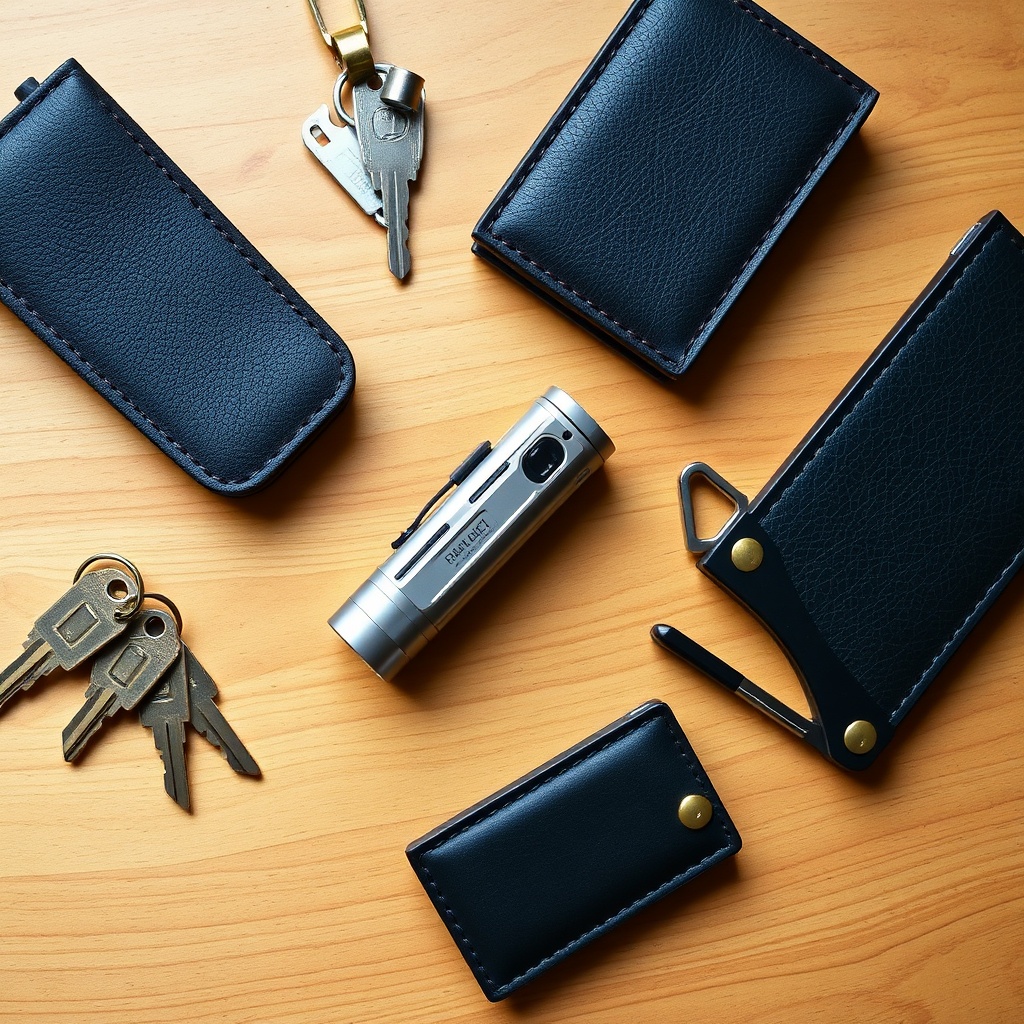
Lifestyle image demonstrating the device’s portability and integration into daily carry routines.
How It Differs from Separate Tools
The primary advantage of a combo device is weight and bulk savings compared to carrying a dedicated flashlight and a separate stun gun. More critically, it reduces draw time: you can access one tool in a single motion instead of two, which is a significant factor in a self-defense scenario. The trade-off is that combined devices may have lower maximum lumens or a shorter stun duration than their standalone counterparts, as they must balance power output within a single chassis and shared battery.
Who It’s For
These devices are well-suited for night-shift workers, dog walkers, commuters, and anyone who spends time in low-light environments. They appeal to people who want a non-lethal deterrent but dislike carrying multiple items. It is important to note that legal restrictions may exclude certain groups, such as minors or individuals with felony convictions, so verifying local regulations is a mandatory first step.
Section 1: Legal and Regulatory Considerations (The Overlooked Hurdle)### Jurisdiction-Specific Laws
Stun guns are prohibited in some states, counties, and countries, making it essential to confirm their legality before purchasing. Some regions require a permit or registration, while others classify them as weapons with specific carry restrictions. For example, while many U.S. states allow stun gun ownership, a handful have outright bans or significant restrictions. International laws are even more varied, with many countries prohibiting civilian possession entirely. This is why reviewing The legality and availability of personal security tools in the US online remains the first step in any purchase decision.
Legal Definitions and Carry Scenarios
The distinction between “concealed carry” and “open carry” of a stun gun varies by locale. Even where a device is generally legal, specific locations like workplaces, school zones, and government buildings often have bans. Additionally, the legal concept of “reasonable force” is critical: a stun gun is generally considered a non-lethal weapon, but using it in a situation that does not justify physical force could lead to legal consequences. Understanding the self-defense laws in your area is as important as understanding the weapon laws.
Purchase and Age Restrictions
Minimum age requirements for purchasing a stun gun commonly range from 18 to 21, but this varies by jurisdiction. Online purchase restrictions and shipping limitations also exist, with some retailers refusing to ship to certain states or countries. Before buying, you should verify the specific rules for your location, as violating these regulations can result in legal penalties.
Section 2: Performance Metrics That Actually Matter (Beyond Lumens and Volts)### Light Output and Beam Quality
While lumens measure overall brightness, candela measures the intensity of the beam and its throw distance. For self-defense, a focused beam with high candela is often more useful for disorienting an attacker at a distance than a floodlight that illuminates a wide area. Beam pattern is a key consideration: a spot beam can temporarily blind an assailant, while a flood beam is better for general navigation. Runtime is equally important, as you need to know how long the light will last on high versus low settings during a critical situation.
Stun Gun Effectiveness
As outlined in How Do Stun Guns Work? A Complete Beginner’s Guide to Voltage and Amps, amperage (current) is the real pain-inducing factor rather than just marketing hype. Voltage is often overemphasized in advertising, but a high-voltage, low-amperage shock may cause discomfort, while the current itself leads to neuromuscular incapacitation. Stun duration is also crucial; a one-second contact may produce a painful jolt, while a three-second continuous contact is more likely to cause muscle contraction and loss of coordination. Prong spacing and contact quality are vital: wider spacing can better penetrate thick clothing, while poor contact pressure can significantly reduce effectiveness.
Build Quality and Durability
The body material of a flashlight stun gun combo must withstand impact and dissipate heat. Aircraft-grade aluminum is a common choice for its durability and heat management, while plastic models are lighter but less resistant to drops. A water resistance rating, such as IPX4 or higher, is essential for outdoor use. Switch reliability is another critical factor: the safety switch must be intuitive to use under stress but not so easy to trigger that it discharges accidentally in a pocket or bag.
Section 3: How to Choose the Right Combo (A Practical Buying Framework)### Step-by-Step Selection Process
- Verify legality in your area — this is the first and non-negotiable step.
- Define your primary use case: daily carry, bedside, or outdoor hiking.
- Set a budget range — but avoid the cheapest options that often fail.
- Compare key specs side-by-side: lumens, voltage, runtime, weight, and dimensions.
- Check the safety switch design — it must be intuitive but not too easy to trigger accidentally.
- Read verified user reviews for long-term reliability, not just first-week impressions.
- Confirm the recharge method: USB-C is preferable over a proprietary charger for convenience.
Comparison Table: Flashlight Stun Gun Combo vs. Separate Tools
| Feature | Flashlight Stun Gun Combo | Separate Flashlight + Stun Gun |
|---|---|---|
| Carry Weight | Lower (single unit) | Higher (two units) |
| Draw Time | One motion | Two motions |
| Light Output | Typically lower max lumens | Higher max lumens possible |
| Stun Effectiveness | Similar if prongs are well-designed | Independent optimization |
| Battery Management | Shared battery | Separate batteries |
| Legal Complexity | Same as a stun gun | Same as a stun gun |
| Price | Mid-range | Higher total cost |
Red Flags to Avoid
Be wary of ultra-low-priced models, often under $20, which may have poor build quality and weak stun output. Avoid devices with no safety switch or one that is too easy to disable. Proprietary charging cables are a long-term liability, as they are hard to replace when lost or broken. Finally, be cautious of vague or inflated specifications, such as “10 million volts” with no amperage rating, as this is often a marketing gimmick rather than a measure of real effectiveness.
Section 4: Real-World Usage and Training Techniques### How to Deploy Under Stress
Proper grip and stance are essential. Hold the device like a tactical flashlight, not a pistol, to maintain control and aim. In a confrontation, activate the light first to blind and disorient the attacker, then close distance if needed. When using the stun function, aim for large muscle groups like the torso or thighs, not the face or neck, to maximize effectiveness and minimize the risk of serious injury. A stun gun should only be used as a last resort after verbal de-escalation has failed.
Practice Drills for Muscle Memory
Focusing on Empowering Yourself: The Use of Non-Lethal Self-Defense Techniques ensures muscle memory is what will save you in a crisis. Practice drawing the device from a pocket or holster repeatedly until the motion is automatic. Practice switching from light mode to stun mode without looking at the device. Simulate low-light scenarios with a training partner, using a non-functional dummy for safety. Finally, test the device’s battery and charge status weekly to ensure it is always ready.
Maintenance and Battery Care
Regular maintenance is crucial for reliability. Charge the device monthly to keep the battery healthy, even if you haven’t used it. Clean the prongs and lens regularly, as dirt and debris can reduce electrical conductivity and light output. Store the device in a cool, dry place away from direct sunlight to prevent battery degradation.
Section 5: Common Myths and Misconceptions (Debunked)### Myth: Higher Voltage Always Means More Effective
Reality: Amperage and contact time matter more. Excessive voltage can be misleading marketing, as a high-voltage, low-current shock may only cause a painful surface sensation without achieving neuromuscular incapacitation.
Myth: A Stun Gun Can Be Used Through Clothing Easily
Reality: Thick or loose clothing can block contact. The effectiveness depends on prong design and the pressure applied. Tight-fitting clothing is easier to penetrate than a thick jacket or loose layers.
Myth: The Light Will Automatically Stop an Attacker
Reality: A bright light may disorient an attacker temporarily, but it is not a guaranteed deterrent. The stun function must be ready and accessible, as the light alone is unlikely to stop a determined assailant.
Myth: All Combos Are Legal Everywhere
Reality: Legal restrictions are widespread and vary significantly by state, county, and city. Assuming a device is legal because it is sold online is a dangerous mistake.
Myth: These Devices Are Only for Women
Reality: Anyone can benefit from a non-lethal self-defense tool. However, training and legal compliance are universal requirements for all users, regardless of gender.
Conclusion
A flashlight stun gun combo is a practical, space-saving self-defense tool, but only if it is chosen and used correctly. The most critical step is verifying its legality in your area, as regulations can change and vary widely. Beyond that, prioritizing quality specifications, understanding how to deploy the device under stress, and committing to regular practice are essential for effective use. Before you rely on any self-defense device, research your local laws, test a few models, and invest in training. Always treat any self-defense device as a last resort; avoidance and de-escalation are your first and best lines of defense.
FAQ### Are flashlight stun gun combos legal to carry?
Legality varies by jurisdiction. Some states and countries ban stun guns entirely, while others require a permit or impose age restrictions. Always check your local laws before purchasing or carrying one.
How many lumens do I need in a flashlight stun gun combo?
For self-defense purposes, 200–500 lumens is generally sufficient to disorient an attacker. Higher lumens can be useful for general illumination but may drain the battery faster. Choose a model with adjustable brightness if possible.
Does a stun gun work through clothing?
It depends on the thickness and fit of the clothing. Tight-fitting clothing is easier to penetrate than thick jackets or loose layers. Look for models with wider prong spacing and higher amperage for better performance through fabric.
How long does the battery last on a flashlight stun gun combo?
Battery life varies widely by model and usage. Most devices offer 1–3 hours of continuous light on a single charge, but stun use drains the battery much faster. Check the manufacturer’s specs and always keep it charged.
Can I take a flashlight stun gun on an airplane?
No. Stun guns are prohibited in carry-on and checked luggage on commercial flights in the United States and many other countries. You must pack them in checked baggage only if the airline and destination allow it — always confirm with the airline and TSA before travel.
Conclusion
A flashlight stun gun combo offers a dual-purpose solution for personal safety, merging illumination with a non-lethal deterrent in one compact device. However, its effectiveness hinges on more than just ownership—you must understand legal restrictions, practice deployment under stress, and select a model with reliable specifications like adequate lumens and prong spacing. The bright light alone won’t stop a determined attacker; the stun function must be ready and accessible. Before you invest in any self-defense tool, take action: research your local laws thoroughly, compare at least three models, and schedule a self-defense training session to build muscle memory. Don’t wait until an emergency to discover your device’s limitations. Choose a flashlight stun gun combo that fits your daily carry needs, verify its legality, and commit to regular practice. Your safety is an active responsibility—make the informed choice today.

