

Introduction
The name “cheetah taser” suggests speed, precision, and power—but what does the term actually mean? If you’re researching self-defense tools or animal encounter safety, you may have stumbled across this phrase and wondered whether it refers to a specific product, a brand, or something else entirely, especially when consulting resources like The Ultimate Guide to Cheetah Stun Guns: Best Non-Lethal Self-Defense Products online. This article explains the two main interpretations of “cheetah taser,” what it means for your purchasing decisions, and how to evaluate any self-defense device on the factors that truly matter: speed, reliability, and legal compliance.
Quick Answer: “Cheetah taser” is an informal term, not a standardized product category. It typically refers either to a taser designed for lightning-fast deployment or to a taser with a cheetah-themed design.
Key Takeaways
- “Cheetah taser” is not a standard product category; it refers to either a fast-draw taser or a taser with a cheetah-themed design.
- Speed of deployment is the most critical factor in a self-defense device—this is what the “cheetah” metaphor emphasizes.
- Choosing the right taser requires understanding legal restrictions, battery life, and training requirements.
- A taser is not a guaranteed stop for an animal like a cheetah—it depends on placement, power, and animal physiology.
- Proper training and practice are more important than the specific brand or model you choose.
The Complete Answer: What “Cheetah Taser” Actually Means
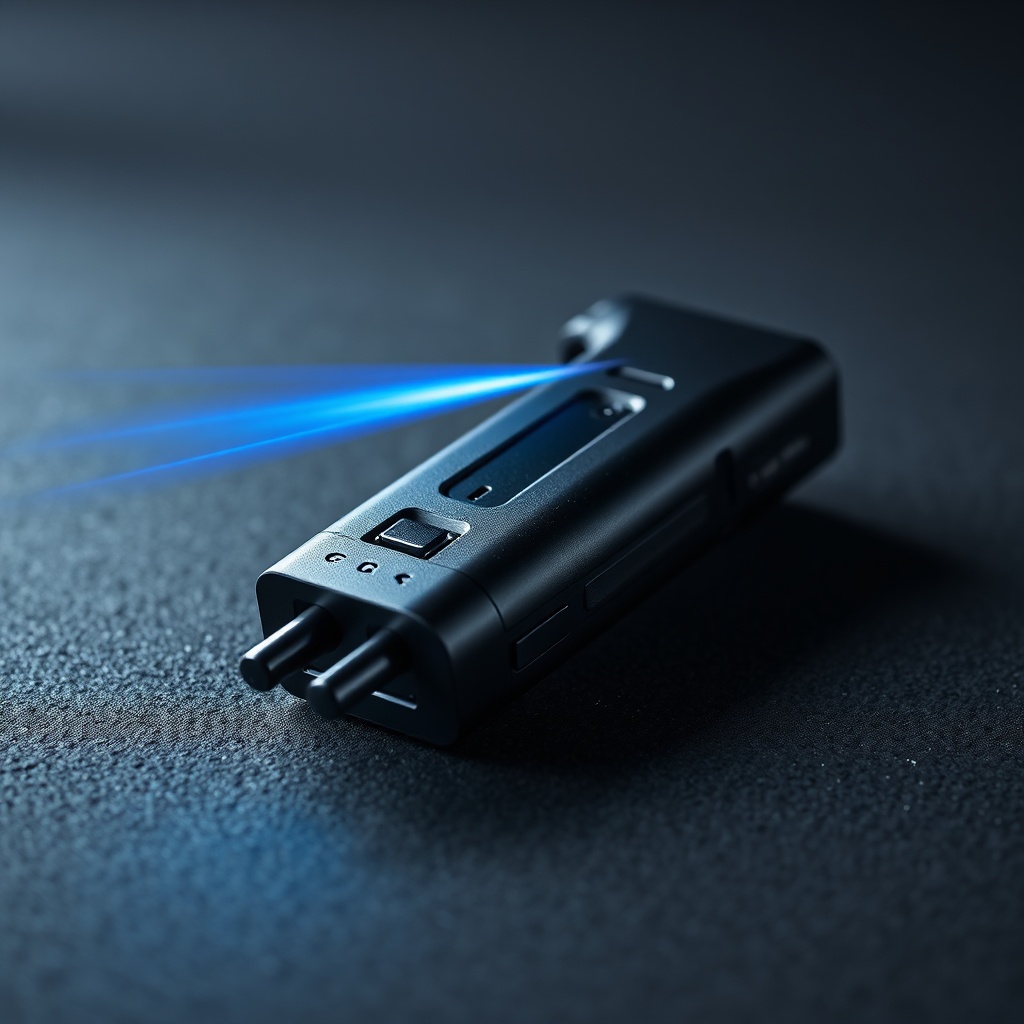
Visualizes the speed and readiness aspect of a cheetah taser through dynamic lighting and motion cues, ideal for articles discussing quick-draw non-lethal defense tools. There is no official “cheetah taser” standard. The term is an informal descriptor used in search queries and product marketing, not a classification recognized by any regulatory body or industry group. When people search for “cheetah taser,” they usually mean one of two things:
- A taser designed for lightning-fast draw and deployment—the “cheetah” being a metaphor for speed.
- A taser with cheetah print or branding—a style choice that has nothing to do with function.
Understanding which interpretation you’re dealing with matters because it changes what you should look for in a product. The first interpretation points you toward features that improve reaction time. The second points you toward aesthetics.
Definition: A taser is a handheld device that uses electric shock technology to temporarily incapacitate a target. It typically fires two barbed probes connected by wires, allowing it to work at a distance. A stun gun, by contrast, requires direct contact to deliver its shock.
The “Speed” Interpretation
The cheetah is the fastest land animal, capable of accelerating from 0 to 60 mph in about three seconds. Using “cheetah” as a metaphor for a taser emphasizes one quality above all others: rapid deployment. In a self-defense situation, the time it takes to draw, aim, and fire your device can be the difference between safety and harm. Features that contribute to a fast draw include:
- Holster design: A holster that positions the taser for a natural, one-motion draw.
- Firing mechanism: A trigger or switch that is easy to activate without changing your grip.
- Grip placement: Ergonomic design that lets you establish a solid hold immediately.
This interpretation influences buyer expectations. If you’re looking for a “cheetah-fast” taser, you should prioritize draw speed over other features like extra modes or accessories.
Depicts the practical, law-abiding context of owning a cheetah taser, supporting content about training, legal considerations, and mindful self-defense planning.
The “Design” Interpretation
Some tasers are sold with cheetah prints or patterns as a marketing gimmick or personal style choice, much like the Stun Gun jogger models designed for active carry. These products function exactly like their plain-colored counterparts—the design does not affect performance. Does design affect function? Usually not. But it can affect brand perception. A distinctive look might make a device feel more personal or memorable, which could encourage more consistent carry. However, if you’re choosing between a cheetah-print model and a plain model with better ergonomics, the ergonomics should win. This interpretation is less common but still relevant to some searches, particularly among buyers who want a self-defense tool that reflects their personality.
Why It Matters in Self-Defense Context
The real-world value of speed in self-defense cannot be overstated. In a threat situation, seconds matter. A device that takes two seconds to deploy versus five seconds could mean the difference between stopping an attack and being overwhelmed. The “cheetah” label helps consumers prioritize quick access over other features. It’s a reminder that the best device is the one you can get to and fire without hesitation. There’s also a psychological component. Carrying a weapon with an animal-themed name can boost confidence, which may make you more likely to carry it consistently and remain alert. Confidence, in turn, improves your ability to respond calmly under stress.
Cheetah Taser vs. Other Self-Defense Options: A Comparison
To understand where a “cheetah-style” taser fits, it helps to compare it against standard tasers, pepper spray, and Stun Guns. The practical differences matter more than marketing hype.
Speed of Deployment
A fast-draw taser—the kind that the “cheetah” label implies—is designed to reduce the time between deciding to act and firing. Standard tasers may have similar performance, but they don’t emphasize draw speed in their design. The role of holsters and carry positions in reaction time is significant. A device carried in a dedicated holster at waist level will draw faster than one buried in a pocket or bag. Some holsters are designed to release the device with a single motion, which shaves off precious fractions of a second.
Ease of Use and Reliability
Tasers generally allow one-handed operation, which is important because your other hand may be needed to create distance or protect yourself. Pepper spray also works one-handed. Review Understanding Stun Guns vs Tasers: A Comprehensive Guide products to compare deployment ranges and operational requirements before deciding. Battery life and charge retention vary widely across device types. Some devices use replaceable batteries, while others are rechargeable. A device that loses its charge when you need it is worse than no device at all. Check the manufacturer’s claims, but also look for user reports on real-world charge retention. Training requirements differ as well. Tasers require the most practice because you must aim, fire, and manage the device under stress. Pepper spray is simpler—point and press. Stun guns are simple but require close contact, which carries its own risks.
Legal Considerations
Laws on carrying tasers, stun guns, and pepper spray vary significantly by jurisdiction. Some regions restrict all three, while others allow one or two with conditions. Understanding The legality and availability of personal security tools in the US is essential before purchase, as regulations shift frequently. There are also differences in legality between animal-deterrent devices and personal-defense devices. A product marketed for wildlife conflict resolution may be treated differently than one marketed for self-defense against humans.
Quick Answer: Before purchasing any self-defense device, research your local laws. Legal status varies by state, country, and municipality, and carrying a device that is illegal where you live can create serious legal problems.
Comparison Table
| Feature | Cheetah-Style Taser | Standard Taser | Pepper Spray | Stun Gun |
|---|---|---|---|---|
| Primary Purpose | Fast draw, self-defense | Self-defense | Self-defense | Contact defense |
| Range | Varies by model; typically short to medium | Varies by model; typically short to medium | Short | Contact only |
| Speed of Deployment | High (design-focused) | Medium | Medium | Low |
| Training Required | Moderate | Moderate | Low | Low |
| Legal Restrictions | Varies by jurisdiction | Varies by jurisdiction | Varies by jurisdiction | Varies by jurisdiction |
How to Choose a Taser That Matches the “Cheetah” Standard
If you want a fast, reliable taser that lives up to the “cheetah” metaphor, focus on features that make the device feel quick and effortless to use.
Key Features to Look For
- Draw speed: Holster compatibility and firing trigger accessibility are the two biggest factors. A device that requires a two-handed draw or has a trigger that’s hard to reach is not “cheetah-fast.”
- Grip and ergonomics: The device should feel natural in your hand. A secure grip prevents fumbling when adrenaline is pumping.
- Battery and reliability: Charge retention, weather resistance, and overall build quality determine whether the device will work when you need it.
- Safety features: A safety switch or trigger guard prevents accidental discharges, which is especially important if you carry the device daily.
Step-by-Step Selection Process
- Determine your primary use case (personal carry, home defense, animal deterrence).
- Check your local laws to confirm what is legal to carry.
- Research the voltage and amperage ratings—higher is not always better, and ratings alone don’t predict effectiveness, so consult How Do Stun Guns Work? A Complete Beginner’s Guide to Voltage and Amps online for technical details.
- Evaluate the holster and draw mechanism for speed.
- Test the grip and trigger feel in person if possible.
- Compare battery life and charging options.
- Read verified user reviews for real-world reliability.
- Consider training requirements and available courses.
Using a Taser Effectively in High-Stress Situations
The “cheetah” metaphor extends beyond the device itself. It applies to your reaction time and technique. In a high-stress situation, your body floods with adrenaline, which can cause tunnel vision, shaky hands, and slow thinking. Training is what bridges the gap between panic and action, making it vital to explore modern techniques 2024 to improve your response time.
The Draw and Aim Sequence
- Step 1: Establish a safe grip without looking down.
- Step 2: Draw in one motion—no fumbling.
- Step 3: Aim at the center of mass.
- Step 4: Fire and immediately re-evaluate the threat.
This sequence must be practiced until it becomes muscle memory. When you’re under stress, you won’t have time to think through each step. Your body has to know what to do automatically.
Common Mistakes to Avoid
- Relying on the taser as a “magic bullet” instead of a tool. It can fail, just like any device.
- Ignoring the need for distance management. If an attacker is too close, you may not have time to draw.
- Failing to practice with your specific device under stress. Dry-fire practice at home is better than nothing, but simulated stress drills are more effective.
- Forgetting to check battery levels before carrying. A dead battery is a useless device.
Addressing Common Misconceptions and Legal Questions
There are plenty of myths surrounding tasers and animal encounters. Let’s clear up the most important ones.
Can a Taser Stop a Cheetah?
A cheetah’s physiology and speed make it a unique threat. Cheetahs are built for acceleration, with a flexible spine and long legs that allow them to cover ground quickly. Their lean body mass means they have less tissue to absorb an electric shock than a larger animal might. However, there is little scientific data on how cheetahs respond to electrical shocks from handheld devices. The effectiveness of any taser depends on placement, power, and the animal’s condition. Aiming for large muscle groups and using multiple shots may increase the chance of stopping the animal, but no taser can guarantee a stop.
Quick Answer: A taser is not a guaranteed stop for a cheetah. Its effectiveness depends on placement, power, and the animal’s physiological state. If you are in an area with big cats, follow local safety protocols and consider non-lethal wildlife deterrent devices designed for that purpose.
Is It Legal to Carry a Taser?
Legal status varies widely. Some states, countries, and municipalities allow tasers with a permit, while others prohibit them entirely. The difference between carrying for self-defense versus for animal deterrence can also affect legality. To find reliable legal information for your area, start with official government websites or consult a legal professional. Avoid relying on forum posts or outdated blog articles, as laws change frequently.
FAQ
What does “cheetah taser” mean? It is an informal term that typically refers to a taser designed for fast deployment or one with a cheetah-themed design. It is not a standardized product category. Are cheetah tasers legal to carry? Legal status varies by location. Always check local laws before purchasing or carrying. Some jurisdictions restrict tasers entirely, while others allow them with a permit. Can a taser actually stop a cheetah? Scientific evidence is limited. The effectiveness depends on placement, power, and the animal’s condition. A taser should not be your only line of defense in an area with big cats. What should I look for in a fast-draw taser? Focus on holster compatibility, trigger accessibility, grip ergonomics, and battery reliability. Practice with the device to build muscle memory. Is a taser better than pepper spray for self-defense? Both have pros and cons. A taser offers longer range and immediate incapacitation, while pepper spray is simpler and easier to carry. Choose based on your comfort and legal restrictions.
Conclusion
“Cheetah taser” is about speed and readiness, not a specific product. The term reminds us that in self-defense, the ability to act quickly is often more valuable than the device itself. Prioritize training and legal compliance over brand names. The best self-defense tool is the one you can draw, aim, and fire without hesitation—just like a cheetah moves.

