

Personal safety has moved far beyond a keychain alarm or a basic panic button app. In 2026, personal safety devices are defined by connectivity, discreetness, and AI-powered proactive threat detection, transforming how individuals protect themselves in both physical and digital spaces, just as detailed in The Best Security Products of 2026 in the US: Your Ultimate Guide.
This guide provides a definitive look at choosing, using, and integrating personal safety devices in 2026, covering the shift from reactive tools to intelligent, connected systems.
Key Takeaways
- Personal safety devices in 2026 are defined by connectivity, discreetness, and AI-powered proactive threat detection.
- The market has shifted from reactive tools (e.g., alarms) to integrated systems that alert trusted contacts and authorities automatically.
- Battery life and cellular connectivity are the new critical specifications, not just loudness or range.
- Legal and ethical considerations around surveillance and data privacy are now a primary factor in device selection.
- A multi-layered personal safety system—combining wearables, apps, and environmental sensors—is more effective than any single device.
The Complete Answer: Defining Personal Safety Devices in 2026

Visualizing the shift to interoperable safety networks where wearables, apps, and environmental sensors communicate automatically to protect users.
Definition: A personal safety device in 2026 is a connected tool—such as a smart wearable, discreet alarm, or mobile app—that uses sensors and communication technology to detect, respond to, and alert others about potential threats to an individual’s physical well-being.
The core evolution in 2026 is the move from standalone gadgets to interoperable safety ecosystems. Devices no longer operate in isolation; they communicate with smartphones, home hubs, and emergency services to create a comprehensive safety net. This shift is a defining characteristic of the best personal safety devices of the year.
Primary Categories (2026)
The current landscape of personal safety devices falls into four main categories:
- Smart Wearables: These include smartwatches and fitness bands with integrated SOS functions, fall detection, and health monitoring. They offer continuous, passive protection alongside Hidden Protection: through compact, everyday designs.
- Discreet Personal Alarms: Small, often jewelry-like devices that can be activated quickly to emit a loud sound or send a silent SOS alert with GPS location.
- Connected Home Security: Smart cameras, video doorbells, and environmental sensors that provide wide-area coverage and can be integrated with personal devices.
- Mobile Safety Apps: Smartphone applications that offer features like location sharing, check-in timers, and virtual escorts, turning a phone into a versatile safety tool.
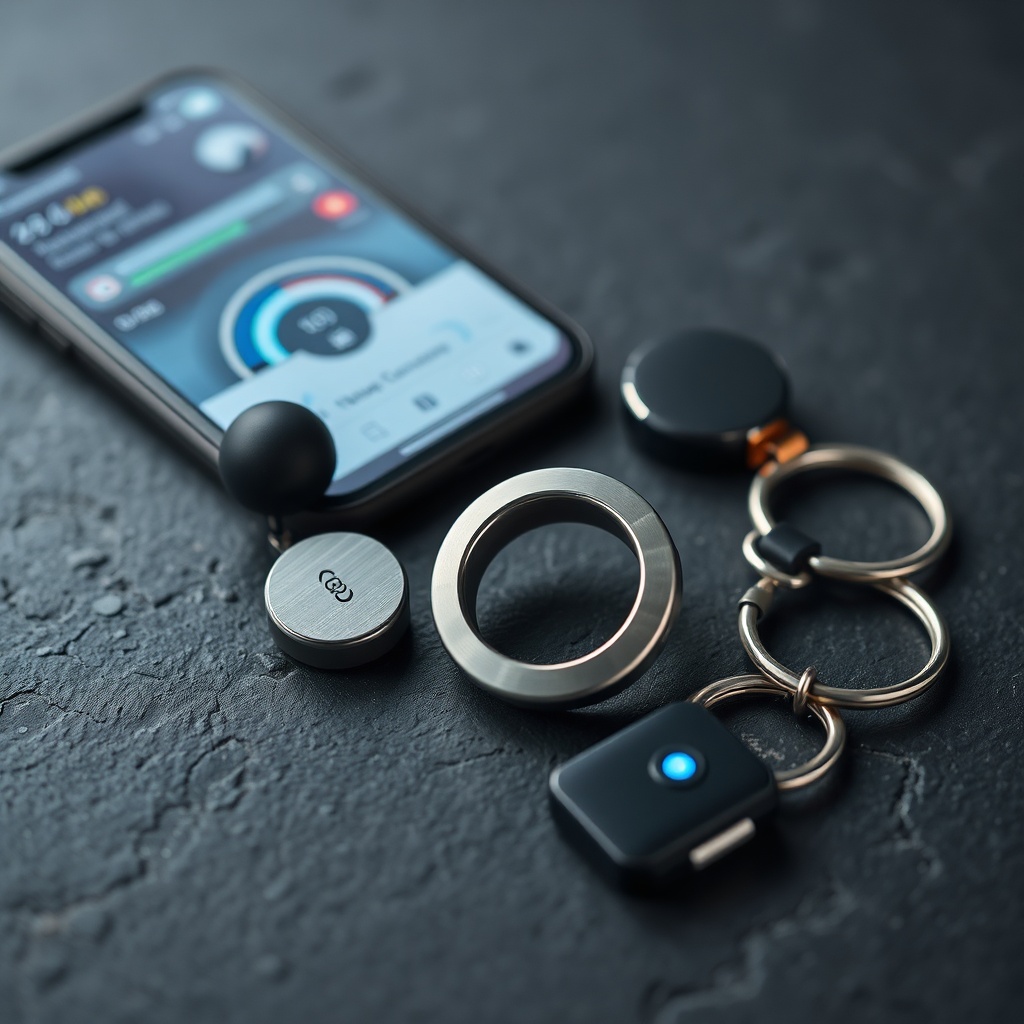
Highlighting the evolution toward stylish, AI-powered gadgets that offer robust protection while maintaining discretion and addressing privacy concerns.
The 2026 Shift: From Reactive Alarms to Proactive AI Protection
Quick Answer: The key difference in 2026 is that safety devices are no longer just tools you trigger in an emergency; they are systems that can act proactively to detect and respond to threats on your behalf.
The most significant technological leap is the integration of AI, which changes the device’s role from a passive tool you must activate to an active system that can act for you.
AI-Driven Threat Detection
Modern devices use a combination of sensors, including accelerometers and biometrics, to distinguish between normal movements and potential emergencies. For instance, an AI-powered wearable can tell the difference between a sudden fall, a violent struggle, and a regular daily movement, significantly reducing false alarms and ensuring that genuine emergencies are not ignored.
Automated Emergency Response
The new standard for personal safety devices is automation. When a threat is detected, these devices can automatically contact pre-set contacts or a central monitoring service without requiring any input from the user. This is critical in situations where the individual is incapacitated or unable to reach their device.
Contextual Awareness
Devices are becoming more intelligent by incorporating contextual awareness. By combining location data with environmental sensors that measure noise and light levels, a device can send a richer, more informative alert to responders, providing them with a better understanding of the situation before they arrive.
Choosing Your Personal Safety Device: A 2026 Comparison
To choose the right device, you need to understand the strengths and weaknesses of each category. The following table compares the primary types of personal safety devices available in 2026.
| Feature | Smart Wearables | Discreet Alarms | Connected Home Devices | Mobile Safety Apps |
|---|---|---|---|---|
| Primary Function | Health + Safety Monitoring | Manual SOS Alert | Environmental Monitoring | Digital Check-in & Tracking |
| Key Advantage | Continuous, passive monitoring | Simple, fast activation | Wide-area coverage | Always with you (phone) |
| Main Drawback | Battery life, subscription costs | Limited to active trigger | Not portable | Dependent on connectivity |
| Best For | Solo runners, elderly, travelers | Personal encounters, commutes | Home security, night safety | Daily commutes, digital trails |
Matching Device to Lifestyle
Your choice should be based on your specific lifestyle and needs. An elderly person living alone might prioritize a smart wearable with fall detection, while a commuter in a busy city might prefer a discreet panic button wearable that can be activated quickly. For those focusing on outdoor activities, reviewing the recommended 10 Best Self-Defense Weapons for Runners and Joggers ensures gear matches dynamic lifestyles. A frequent traveler might rely on a mobile safety app with GPS tracking for personal security, adopting proven methods from Self-Defense on the Go: How to Stay Safe While Traveling, while a homeowner would benefit from integrating connected home devices into their overall safety plan.
The 2026 Buying Guide: A Step-by-Step Selection Process
Quick Answer: The most important feature to look for in a personal safety device in 2026 is reliable connectivity and automated alerting, as this ensures help is summoned even if you are unable to do so yourself.
Choosing the right device requires a systematic approach. Follow these steps to evaluate your options.
- Assess Your Personal Threat Profile. Identify your primary environments—urban, remote, home, or travel—and your daily routines to understand where you are most vulnerable.
- Evaluate Connectivity Needs. Determine if you need cellular, Wi-Fi, or Bluetooth connectivity. Consider the coverage in the areas you frequent most, as cellular is essential for devices used outside the home.
- Prioritize Battery Life and Charging. Match the device’s performance to your typical usage duration. A device for a long hike will require different battery life than one for a daily commute.
- Check Integration with Your Existing Ecosystem. Ensure the device is compatible with your smartphone (iOS/Android) and any smart home hubs you already use to create a unified system.
- Verify Data Privacy Policies. Understand what data is collected, where it is stored, and who has access to it—both you and the manufacturer. Prioritize devices with transparent and user-centric data policies.
- Confirm the Subscription Model. Clarify if there are recurring fees for cellular connectivity or professional monitoring services, as this can significantly affect the total cost of ownership.
Integrating Safety Devices into Your Smart Home and Life
The true value of personal safety devices in 2026 lies in their ability to integrate with the broader smart environment, creating a connected safety network.
The Connected Safety Network
A wearable device can be configured to trigger other smart home devices upon an alert. For example, if a fall is detected, the system could automatically unlock smart locks for emergency responders, turn on all lights to illuminate the area, and activate cameras to record the scene.
Voice Assistants and Safety
Smart speakers can play a role in hands-free activation and emergency communication. They can be used to issue a voice command to trigger an alarm or to act as a communication hub during an emergency, allowing for a response without needing to physically interact with a device.
Creating a Family Safety Plan
A unified ecosystem allows you to set up shared alerts and monitoring for family members. You can create a digital safety plan where each member’s device is linked, so an alert from one person is instantly seen by the others, enabling a coordinated and rapid response.
Legal, Ethical, and Privacy Considerations for 2026
Quick Answer: Yes, laws vary by jurisdiction regarding consent for recording in public or private spaces, and users are responsible for understanding local regulations before using a device that captures audio or video.
Using a personal safety device involves more than just technology; it also requires navigating a complex landscape of legal, ethical, and privacy concerns.
Data Privacy and Surveillance
There is an inherent trade-off between continuous monitoring and personal data collection. While these devices collect data to keep you safe, that same data can be a privacy risk. It is essential to understand the manufacturer’s responsibilities regarding data security and to ensure you are comfortable with the level of data being collected and shared.
Legal Implications of Recording
Many safety devices, especially those integrated with home cameras or audio features, can record footage. Laws around audio and video recording in public spaces vary significantly by jurisdiction, from one-party to two-party consent rules. Users are responsible for understanding and complying with these local regulations.
Liability and Responsibility
A critical question is who is responsible if a device fails to alert or respond. It is important to understand the boundary between product liability and user error. While manufacturers are responsible for the device’s functionality, users must ensure they maintain the device, keep it charged, and understand its limitations.
Conclusion
Personal safety in 2026 is a proactive, connected, and data-driven endeavor. The evolution of personal safety devices has shifted the focus from reactive tools to intelligent systems that can detect, respond, and alert automatically, creating a more secure environment.
The most effective approach is a multi-layered one, combining wearables, apps, and environmental sensors to create a comprehensive safety net. As you consider your options, assess your specific needs, prioritize privacy and data security, and build your own integrated safety ecosystem for 2026.
FAQ
Do personal safety devices work without a smartphone?
Yes, many cellular-connected wearables can function independently, but most require a smartphone for setup and data management.
What is the most important feature to look for in a personal safety device in 2026?
Reliable connectivity and automated alerting are paramount, as they ensure help is summoned even if the user is incapacitated.
Are there any legal restrictions on using personal safety devices that record audio or video?
Yes, laws vary by jurisdiction regarding consent for recording in public or private spaces, and users are responsible for understanding local regulations.
How do AI-powered safety devices prevent false alarms?
These devices use sensor data and machine learning algorithms to differentiate between normal movements and emergencies, reducing false positives.
Do all personal safety devices require a monthly subscription?
No, basic devices are one-time purchases, but those with cellular connectivity or professional monitoring services typically require a monthly fee.
Conclusion
The landscape of personal safety devices 2026 is defined by intelligent, interconnected systems that anticipate threats rather than merely react to them. From AI-driven wearables that detect falls to networked home sensors that trigger coordinated alerts, the technology has never been more capable. However, as this article highlights, the true power lies in building a multi-layered ecosystem tailored to your unique routine, environment, and risk profile. You must also remain vigilant about data privacy, legal recording consent, and device maintenance—because a safety tool is only as effective as its user’s understanding. Don’t wait for an emergency to discover gaps in your protection. Take action today: audit your current safety setup, research devices that prioritize secure data handling and reliable connectivity, and consider recommended Exploring Cheetah Cell Phones and Stun Guns: A Modern Safeguard alongside your family safety plan. Invest in your peace of mind now, and let personal safety devices 2026 become the silent guardians that keep you and your loved ones secure.

