
Introduction to Personal Safety Alarms
In today’s fast-paced and often unpredictable world, personal safety alarms have emerged as vital tools designed to enhance individual security. These compact devices serve as a high-decibel defense mechanism that can provide a sense of security to various groups, including students navigating university campuses, runners enjoying solitary exercises, and seniors who may feel vulnerable. The importance of personal safety alarms cannot be understated; they offer a straightforward yet effective means for individuals to protect themselves in potentially dangerous situations.
Empowerment through self-defense tools is critical, particularly for those who may find themselves in precarious environments. Personal safety alarms are non-confrontational devices that draw attention to the user’s plight without escalating a situation. When activated, these alarms emit a loud sound, often exceeding 120 decibels, which can deter a potential assailant and alert passersby to the individual’s distress. This feature is crucial as it provides an opportunity to seek help without engaging in physical confrontation.
Moreover, personal safety alarms offer peace of mind. For vulnerable populations, the mere presence of such a device can significantly reduce anxiety and foster a sense of security. Many devices are portable and lightweight, making them easy to carry on keychains or in bags. As awareness surrounding personal safety increases, the demand for effective self-defense tools like personal safety alarms also grows, reinforcing their role in contemporary safety culture.
In sum, personal safety alarms play an indispensable role in empowering individuals across all ages to prioritize their safety without the need for physical confrontation. As society evolves and the need for security rises, these tools continue to adapt, offering innovative solutions for personal protection.
The Power of Sound: 130 Decibels Explained
Personal safety alarms have become increasingly popular as an effective means of self-defense, particularly due to their ability to produce extremely loud sounds of up to 130 decibels. This remarkable sound level is significant as it not only captures immediate attention, but also serves as a vital deterrent against potential predators. The perception of sound intensity can be subjective; however, 130 decibels is considered alarmingly loud and is comparable to the sound of a jet taking off or a gunshot. This surreal loudness is intentionally designed to startle and disorient any intruder or attacker.
When an individual activates a personal safety alarm, the ensuing sound reaches a frequency that is difficult to ignore. Research indicates that sounds above 85 decibels can cause distress and discomfort, while levels around 130 decibels can provoke a fight-or-flight response. Together, these elements underscore the effectiveness of deploying a personal safety alarm in threatening situations. Such alarms can be particularly beneficial to vulnerable groups, including children and the elderly, effectively equipping them with a tool that fosters confidence and a sense of security.
The design of these alarms is rooted in the principle that creating a disruptive sound can deter an assailant and alert nearby individuals that help is needed. For this reason, personal safety alarms are often used in educational institutions, parks, and public events where individuals, especially those who may be at a greater risk of assault, need an extra layer of protection. When considering personal safety, investing in an alarm that emits 130 decibels can be a game-changer, for both personal security and community awareness.
Comparing Alarms to Other Safety Devices: Why Alarms Are Superior to Whistles
When it comes to personal safety devices, choosing the right tool for self-defense is vital. Among the various options available, personal safety alarms and whistles have garnered attention for their roles in emergency situations. However, a closer examination reveals that safety alarms are often superior to whistles in several key areas, making them a more practical choice for individuals of all ages.
One of the primary advantages that personal safety alarms hold over whistles is their ease of use. Alarms are designed to be activated with minimal effort, typically requiring just a simple press of a button. This allows users to quickly alert others without needing to expend breath or energy, an important consideration during high-stress situations. In contrast, activating a whistle requires a significant effort, as it relies on the user’s lung capacity to produce an audible sound. This can be particularly challenging for children, the elderly, or individuals with respiratory issues.
Furthermore, personal safety alarms deliver a much higher decibel level than any whistle can produce. A high-decibel alarm can reach volumes that easily cut through ambient noise, increasing the chance of drawing attention from bystanders who may assist during a crisis. The loudness of safety alarms can also startle potential threats, providing an additional layer of psychological defense. Conversely, while a whistle can signal distress, its effectiveness may be limited by environmental noise levels, often falling short in crowded or noisy settings.
Moreover, safety alarms have become increasingly compact and lightweight, making them convenient to carry and access at all times. This aligns with modern preferences for discreet self-defense tools that can easily fit in a pocket or be attached to keychains. Overall, the combination of ease of use, high-decibel alerts, and portability solidifies personal safety alarms as the more effective choice compared to whistles in enhancing personal safety.
Use Cases: Effective Scenarios for Personal Safety Alarms
Personal safety alarms are versatile devices that enhance the security of individuals across various settings. One significant context for their use is during trail running or outdoor activities. Joggers often find themselves in secluded areas where potential threats may arise. A loud personal safety alarm can alert nearby individuals and deter potential aggressors. The ability to draw attention quickly is crucial, especially in environments where assistance is not immediately available.
Another effective scenario for utilizing personal safety alarms is in parking garages. These areas are often dimly lit and may lack sufficient foot traffic, making them vulnerable to criminal activities. When an individual feels unsafe, activating a personal safety alarm can serve as a crucial alert mechanism, drawing attention to the situation. This not only aids in self-defense but also reassures the person in distress until help arrives.
College campuses represent another vital environment where personal safety alarms can play a significant role. With students frequently moving between classes or social events, the need for portable safety measures becomes apparent. A compact personal safety alarm can fit easily into a student’s backpack or pocket, ensuring quick access whenever needed. Many campuses also have late-night activities; therefore, students can use these alarms as a preventive measure against potential threats, feeling empowered and secure during late hours.
In summary, personal safety alarms are effective in various scenarios, from outdoor activities and parking garages to the dynamic environment of college campuses. Their ability to provide a high-decibel alert can be the difference between safety and danger, making them a recommended tool for personal security across all ages and contexts.
Layered Defense: Pairing Alarms with Physical Deterrents
When it comes to personal safety, a layered defense strategy is considered one of the most effective approaches. Personal safety alarms play a crucial role in this strategy, but their effectiveness is significantly enhanced when paired with additional physical deterrents and self-protection techniques. This combination not only provides immediate alerting capability but also reinforces a user’s overall defense strategy.
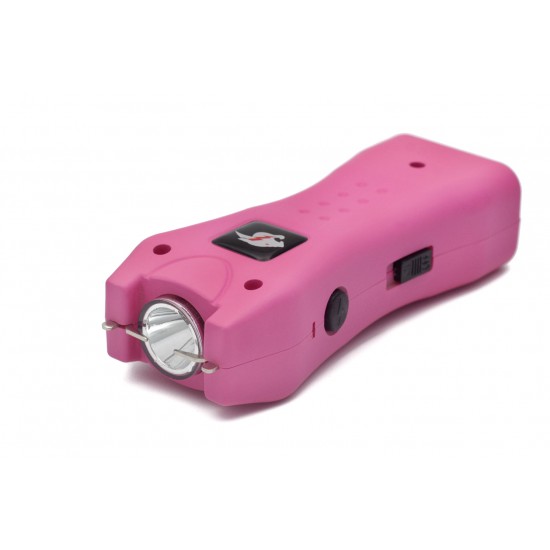
First and foremost, the personal safety alarm serves as an audible signal meant to deter potential assailants. It is designed to emit a high-decibel sound, drawing attention to an emergency situation and increasing the likelihood of help arriving. However, relying solely on the alarm may not be sufficient in every circumstance. It is essential to consider incorporating other personal safety tools, such as pepper spray or a tactical flashlight, which can provide physical means of defense. Pairing these items with an alarm can empower individuals to respond to threats more decisively.
Moreover, enhancing situational awareness complements the use of alarms and physical deterrents. Training in basic self-defense techniques equips individuals with the skills necessary to better assess their surroundings and make informed decisions. By understanding how to recognize potential threats and react accordingly, users become more adept at using their personal safety alarm or any physical tools they carry.
The layered defense concept underscores the importance of diversifying personal safety measures. By strategically combining alarms with various deterrents, individuals of all ages can bolster their security and foster greater confidence in their ability to navigate potentially dangerous situations. This holistic approach ensures that they are not solely dependent on one element, making their personal security strategy more robust and effective.
A Review of Popular Personal Safety Alarms: Finding the Right Alarm for You
As personal safety continues to be a priority for individuals of all ages, several personal safety alarms have gained popularity due to their effectiveness and ease of use. This section will review and compare some well-known products in the market, specifically the Birdie Alarm and She’s Birdie, focusing on their features, decibel levels, and overall user experience.
The Birdie Alarm has gained notable attention for its high-decibel sound level, reaching up to 130 decibels. This intensity ensures that it can be heard from a distance, potentially deterring any threats and signaling for help. With a compact design, the Birdie Alarm easily fits in a pocket or purse, making it an ideal choice for those on the go. Additionally, it is user-friendly; with a simple pull of the pin, the alarm activates, providing immediate protection without complicated procedures.
Similarly, She’s Birdie offers a competitive alternative, known for its stylish design and effective alarm sound. Operating at a comparable decibel level to the Birdie Alarm, it also produces a loud noise designed to alert nearby individuals. An attractive feature of She’s Birdie is its aesthetic appeal, available in multiple colors, making it not only functional but also fashionable. This model also comes with a LED flashlight, providing an additional layer of safety during nighttime walks.
Both alarms stand out for their ease of use and effective sound level, making them suitable for various demographics including students, seniors, and urban dwellers. When choosing a personal safety alarm, it is essential to consider individual preferences regarding design, usability, and additional features, ensuring the alarm fits seamlessly into one’s lifestyle. Evaluating these popular options can empower users to make informed decisions for their personal security needs.
Case Study: Real-Life Instances of Alarms Preventing Attacks
Personal safety alarms have proven to be effective tools for deterring potential attackers, as evidenced by various real-life instances and statistical analyses. One notable case occurred in a suburban area where an individual activated their personal safety alarm while being approached by an unfamiliar person. The loud noise emitted from the alarm startled the assailant, causing them to flee the scene. This case highlights how the high-decibel defense provided by such devices can create a critical window of opportunity for individuals to escape threatening situations.
In another instance, a group of college students reported an attack being thwarted by the quick thinking of a peer equipped with a personal safety alarm. During a late-night walk back to their dorm, the students encountered a potential attacker. One student activated their alarm, emitting a piercing sound that attracted the attention of nearby pedestrians and deterred the assailant. This demonstrates not only the effectiveness of personal safety alarms in frightening off attackers but also their ability to summon help in emergencies.
According to statistics published by safety organizations, the presence of personal safety alarms can significantly decrease the likelihood of successful assaults. Data reveals that in cities where the use of personal defense alarms has been promoted, crimes reported in public areas have declined by approximately 30%. Moreover, surveys of individuals who have used these alarms confirm that a significant number felt safer and more empowered when carrying them. These instances and statistics collectively underscore the practical benefits of personal safety alarms as a viable means of self-defense for individuals of all ages, reinforcing their role in enhancing personal safety.
Understanding the Legal Aspects of Carrying Personal Safety Alarms
When it comes to personal safety alarms, it is vital for users to understand the legal framework governing their use. As personal safety devices, these alarms are designed to alert others in emergency situations by emitting a loud sound, dissuading potential threats, and ensuring timely assistance. However, the laws surrounding their ownership and use can vary significantly from one jurisdiction to another.
In many regions, personal safety alarms are legal for anyone to buy and carry, often classified as non-lethal self-defense tools. Nevertheless, individuals should be aware that some local regulations may impose restrictions, particularly concerning the type of alarm used. Some areas may prohibit alarms that have functionalities deemed excessive, such as integrated lights or multipurpose capabilities that may be considered disruptive.
Moreover, it’s essential for users to be cognizant of how these alarms are utilized in public spaces. Many jurisdictions mandate that personal safety alarms must not be utilized in a way that would create a false sense of emergency or distinctively threaten others. Misuse of a personal safety alarm can lead to legal repercussions, including fines and potential criminal charges depending on the severity of the incident.
Additionally, certain states may have specific legislation regarding the sale and transfer of personal safety alarms. This may involve age restrictions, as minors may not be allowed to carry these devices without parental permission or supervision. Therefore, it is prudent for prospective users to consult local laws or a legal expert to ensure they are compliant with any regional statutes.
Ultimately, understanding the legal aspects surrounding personal safety alarms is crucial for responsible ownership. By being informed about applicable laws and regulations, individuals can confidently and effectively utilize these devices as part of their personal safety strategy.
Conclusion: Empowering Yourself with Personal Safety Alarms
As we navigate through an ever-evolving world, personal safety becomes a paramount concern for individuals of all ages. The discussion surrounding personal safety alarms has highlighted their significant role as a proactive tool for self-defense. These compact devices, capable of emitting high-decibel alarms, provide a layer of security that can deter potential threats and summon assistance in moments of distress. It is essential to recognize that personal safety alarms are not simply gadgets; they represent a powerful means of empowerment through preparedness.
The insights shared in this blog post have illustrated the various benefits of incorporating personal safety alarms into daily life. By ensuring accessibility and ease of use, these devices boost the confidence of users, making them feel more secure in their environments. Furthermore, personal safety alarms can be effectively utilized by individuals of differing ages, from children to the elderly, emphasizing their versatility as essential safety tools.
In light of these considerations, readers are encouraged to reflect on their current personal safety strategies. Incorporating a high-decibel personal safety alarm into your safety plan can be a step toward greater peace of mind. The simple act of carrying such a device fosters an environment of preparedness, potentially mitigating risks and enhancing personal security. Ultimately, the decision to equip oneself with personal safety alarms is more than a practical choice; it is a commitment to taking charge of one’s safety and well-being.
By investing in personal safety alarms, individuals can empower themselves and their loved ones, ensuring that assistance is only a button away. As each person contributes to a culture of safety and readiness, we strengthen our communities and support one another in navigating today’s complexities responsibly.