

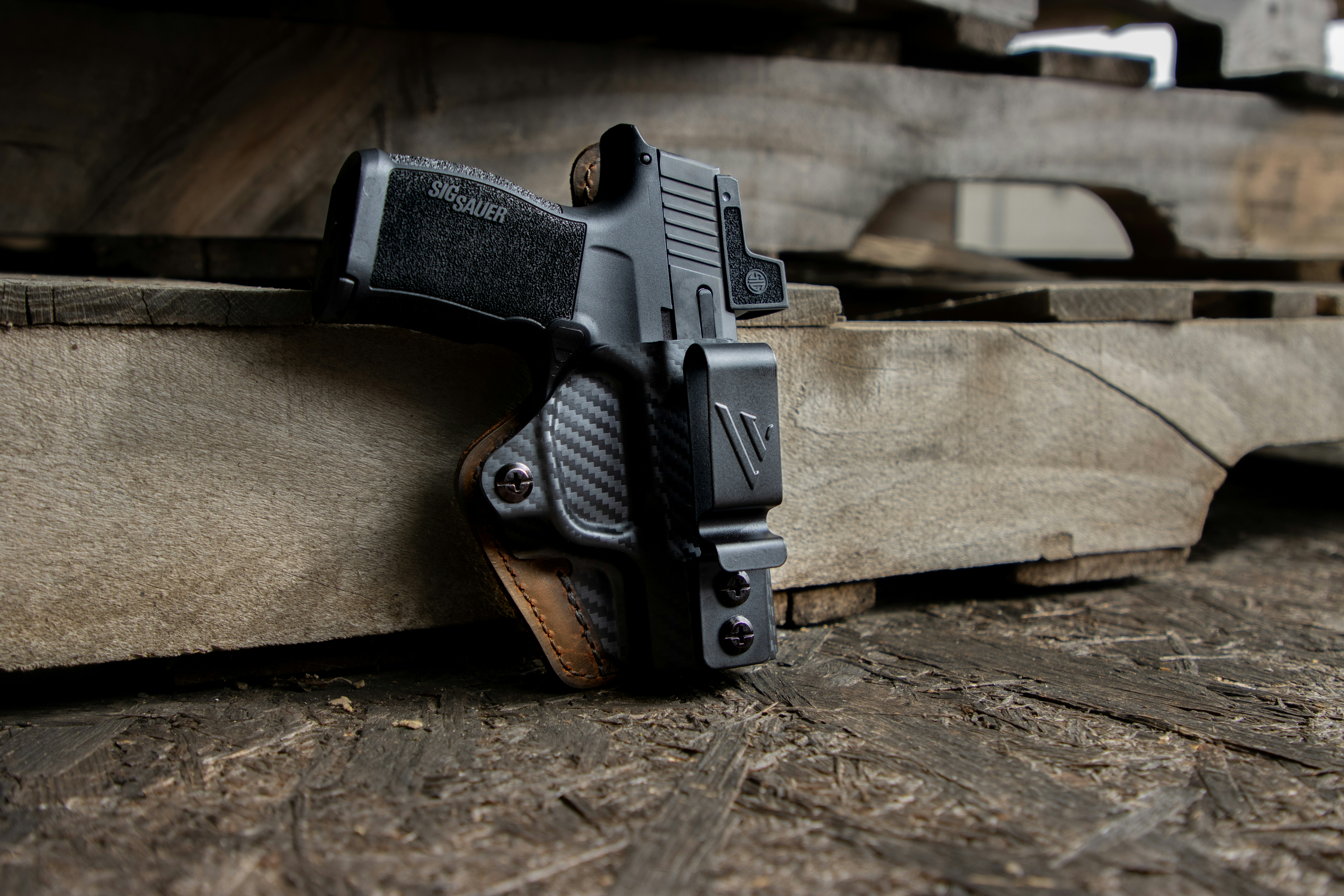
Understanding Personal Defense: More Than Just Tools
Personal defense transcends the mere possession of tools or weapons; it encompasses a comprehensive mindset that prioritizes awareness and intentionality in one’s actions. The foundation of effective personal defense lies not only in knowing how to use a weapon but also in fostering a vigilant attitude towards one’s environment and recognizing potential threats. This nuanced understanding of personal defense emphasizes the psychological components that contribute toward an individual’s safety.
Firstly, it is critical to develop an acute awareness of one’s surroundings. This heightened state of awareness allows individuals to identify and assess risks or unusual behaviors in their vicinity. Creating a proactive approach to personal safety includes situational detection and the ability to respond appropriately to potential dangers. Individuals who integrate this awareness into their daily routines often find themselves more equipped to navigate various environments without the need for physical confrontation.
Secondly, the mental preparedness for self-defense scenarios can significantly impact an individual’s response under pressure. A defensive mentality prepares one to think clearly and act decisively when faced with adversity. This mindset cultivates not only confidence but also a strategic perspective on how to de-escalate situations effectively. Importantly, adopting this psychological stance allows individuals to handle threats without resorting to violence, utilizing conflict resolution techniques that prioritize both personal safety and mutual respect.
In conclusion, the essence of personal defense is rooted in the synthesis of tools and mindset. While physical instruments contribute to one’s capabilities, the true power of self-defense emerges from an individual’s awareness, mental readiness, and willingness to engage peacefully with their environment. By fostering these attributes, one can achieve a higher level of preparedness, ensuring safety in various aspects of life.
Choosing the Right Defense Tools for You
When it comes to personal defense, selecting the right tools is of utmost importance. There are a myriad of options available, each suited for different situations and personal preferences. Commonly recognized defense tools include firearms, pepper spray, personal alarms, and self-defense classes. Each of these tools serves a distinct purpose and comes with its own set of advantages and limitations.
Firearms are often viewed as highly effective defense tools due to their stopping power. However, they require a significant commitment to training and a thorough understanding of legal implications. Therefore, prospective gun owners must not only acquire the necessary permits but also engage in regular practice to ensure proficiency in usage.
Pepper spray is another popular option, praised for its ease of use and accessibility. Unlike firearms, pepper spray is typically legal to carry without a special permit in many jurisdictions. Nevertheless, users should familiarize themselves with its operation and effective deployment, as the efficacy of pepper spray can depend on wind conditions and the user’s ability to aim accurately.
Personal alarms present a non-violent alternative, designed to deter attackers by emitting loud noises when activated. These alarms can be effective in drawing attention during emergencies, but they do not provide physical defense. Hence, individuals should consider carrying an alarm in conjunction with other defensive tools.
Additionally, self-defense classes offer significant value by empowering individuals with the skills and confidence to respond to possible threats. Training in martial arts or self-defense techniques can enhance personal safety and contribute to the effective use of other defense tools.
Ultimately, the effectiveness of any defensive tool relies heavily on the user’s familiarity and practice with it. Therefore, it is essential to evaluate legal implications, personal comfort, training requirements, and practical usage before selecting the appropriate defense tools that align with one’s lifestyle and needs.
Real-Life Scenarios: The Importance of Carrying Your Defense
In today’s world, the necessity of being prepared for potential threats cannot be overstated. Numerous real-life scenarios illustrate how carrying a defensive tool can drastically alter outcomes during dangerous situations. For instance, consider the account of a young professional named Jessica. While commuting home late one evening, she was approached by an aggressive individual. Jessica, trained in self-defense and carrying a personal alarm, activated her device, attracting the attention of nearby pedestrians. This quick response not only deterred the assailant but also ensured her safety, demonstrating the efficacy of being equipped with the right defensive measures.
Conversely, a stark reminder of the consequences of unpreparedness can be seen in the case of David, who found himself in a similar predicament. Although he had taken self-defense classes, he did not carry any tools for protection. When confronted, he hesitated, relying solely on his training. Unfortunately, this delay allowed his attacker to gain control of the situation. Although David managed to escape unharmed, his experience highlights that training alone may not suffice without the right resources at hand.
Another noteworthy example features a group of hikers who encountered a bear while exploring a remote area. One member of the group, equipped with bear spray, acted swiftly to deter the animal, allowing everyone to retreat safely. Their preparedness significantly reduced the risks involved in the encounter. This underscores the principle that the best defense is often the one that is not only practiced but also readily accessible. Without the proper equipment, even well-trained individuals can find themselves at a severe disadvantage.
Training and Practicing: Elevating Your Readiness
In the realm of self-defense, the significance of continuous training and practice cannot be overstated. Maintaining a high level of readiness is crucial, as it directly influences how effectively an individual can respond in a critical situation. Consistent training enhances not only your reflexes but also builds the confidence necessary to utilize defensive techniques and tools effectively. Through rigorous practice, muscle memory develops, allowing instinctive reactions in stressful environments.
Engaging in local self-defense classes can provide invaluable hands-on experience. Many communities offer various programs ranging from martial arts to tactical self-defense techniques tailored to meet diverse skill levels. Additionally, various online resources, such as video tutorials and virtual classes, can complement in-person training, allowing individuals to practice techniques at their own pace in a familiar environment.
Further, self-practice is an essential component of elevating one’s preparedness. Setting aside time to rehearse techniques at home, whether through shadow boxing or practicing with a partner, fosters familiarity with movements. Establishing a routine that incorporates strength and flexibility exercises can also contribute to overall readiness. This practice not only sharpens one’s skills but also builds the physical endurance needed in possible self-defense scenarios.
Moreover, it can be beneficial to simulate challenging scenarios that could arise in real-life situations. This method not only aids in honing reaction times but also helps individuals assess their responses under pressure. By integrating self-defense practice into one’s regular routine, individuals ensure they remain prepared for unforeseen circumstances. Consistent training combined with practical exercise creates a very effective defense, ensuring that you are equipped to handle any threat that may arise.

