

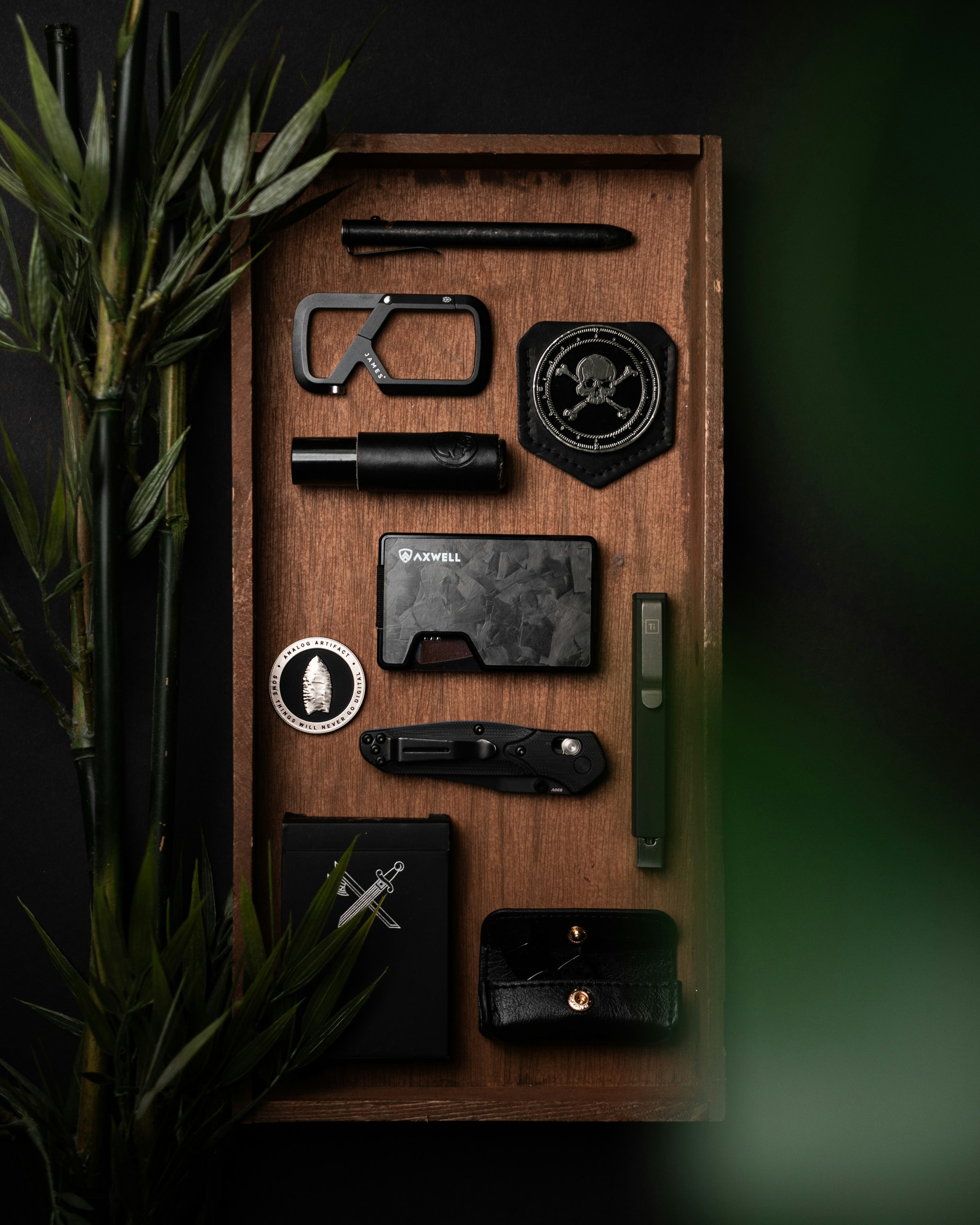
Introduction: The Importance of Self-Defense While Traveling
Traveling to new destinations brings both excitement and uncertainty, often placing individuals in environments that differ significantly from their home surroundings. In such circumstances, personal safety becomes paramount. Self-defense for travelers is a critical consideration, as it enables individuals to navigate unfamiliar spaces with confidence and awareness. Understanding the importance of self-defense strategies is essential for safeguarding oneself while exploring various geographical locales.
The unpredictability of travel can present various risks, including theft, assault, or other emergencies. As a result, being equipped with self-defense knowledge can make a significant difference in how a situation unfolds. Beyond just physical tools, effective self-defense encompasses mental preparedness and awareness of one’s environment. Travelers, therefore, must not only rely on local laws and customs but also develop skills that can enhance their personal safety during their journeys.
Moreover, the landscape of self-defense is diverse, offering a range of techniques, tools, and resources. This includes understanding local regulations concerning self-defense items, which can vary significantly from one jurisdiction to another. Knowing what is permissible to carry—such as personal alarms, pepper spray, or other deterrents—will aid travelers in making informed choices. Additionally, familiarizing oneself with self-defense tactics, whether through martial arts or situational awareness training, can prepare individuals for encounters that may arise.
As travel increasingly becomes more accessible and global, the necessity for personal safety measures has never been more relevant. Consequently, travelers must prioritize learning about self-defense strategies, equipping themselves with the skills and knowledge to protect themselves effectively in diverse situations.
Understanding TSA Regulations for Travel Safety Gear
Navigating the regulations set forth by the Transportation Security Administration (TSA) regarding self-defense tools is crucial for travelers prioritizing safety during their journeys. The TSA aims to ensure that travelers can maintain personal safety while adhering to specific guidelines designed to enhance overall airport and flight security. Travelers should be aware of what items are permissible in carry-on luggage and which items are strictly prohibited.
The TSA allows some personal safety items, such as personal alarms, which are generally considered permissible in carry-on bags. These devices, often lightweight and compact, can be essential for alerting others in case of danger without being classified as a weapon. However, travelers should be cautious with pepper spray or similar substances. While some individuals may consider these as self-defense tools, they are largely prohibited in carry-on luggage due to their classification under hazardous materials.
Additionally, travelers must understand that self-defense items that could be classified as weapons, such as knives, batons, or any implement designed to inflict harm, are prohibited in carry-on luggage. These items may be allowed in checked baggage, but even then, local and international laws can place restrictions on their transport. Therefore, it becomes essential for travelers to research their destination’s regulations regarding self-defense tools before embarking on their trips.
In order to ensure compliance with TSA regulations, it is advisable for travelers to carefully review the TSA’s official website for comprehensive lists of allowed and prohibited items. Notably, travelers should also remain aware of any changes in regulations, as updates can occur. By following TSA guidelines, travelers can effectively navigate airport security and minimize risks associated with carrying self-defense gear.
The Tactical Pen: Your Discreet Defense Tool
A tactical pen is a multifaceted instrument that combines the functionality of a traditional writing tool with the potential for self-defense. This versatile device is designed with both practicality and personal safety in mind, making it an ideal choice for travelers who prioritize security while on the move. Its discreet appearance allows it to blend seamlessly into everyday situations, ensuring that it remains inconspicuous until needed.
The primary function of a tactical pen is, of course, to write. Most models are equipped with standard ink cartridges, allowing users to take notes or record information easily. However, the tactical advantage lies in its engineered construction. Typically made from materials such as aircraft-grade aluminum or steel, these pens are durable enough to withstand significant pressure, making them effective for various self-defense techniques.
A tactical pen can also be an effective tool in pressure-point defense scenarios. By employing specific strikes to sensitive areas of an assailant’s body, the pen can incapacitate an aggressor long enough for the user to escape. The grip of the pen is designed to be ergonomic, allowing for quick and decisive movements when defending oneself. Furthermore, its compact size ensures that it is easy to carry and can be stored in a bag or pocket without drawing unnecessary attention.
When traveling, it is essential to consider local laws regarding the carrying of self-defense tools. Most countries permit the possession of tactical pens as they are primarily seen as writing instruments. However, travelers should always stay informed about specific regulations to ensure compliance and facilitate a safe journey. Ultimately, a tactical pen serves as both a practical writing instrument and a potential self-defense tool, making it an invaluable asset for the modern traveler.
Portable Door Locks: Securing Your Accommodation
When traveling, particularly if staying in hotels or Airbnb accommodations, ensuring your personal safety and security is paramount. One effective way to enhance your room security is by using portable door locks. These locks serve as an additional layer of protection, helping to deter potential intruders and giving you peace of mind during your travels.
Portable door locks are designed to be lightweight and easy to use, making them an excellent choice for travelers seeking improved security. Many models are adjustable and can fit various door sizes and types, ensuring versatility regardless of your accommodation’s specifications. When using a portable lock, the setup generally involves placing the device into the door latch and securing it with the appropriate mechanism. This process typically takes only a few moments and can be done without any tools.
Before utilizing a portable door lock, travelers should familiarize themselves with the specific guidelines of their accommodation type. For instance, some hotels may have policies regarding additional locks, while others may not allow them at all. Always check first to ensure compliance with the rules of your rental unit or hotel. Furthermore, assess the method by which you secure the door—for instance, applying the lock during nighttime or while you are inside the room can enhance your safety.
In addition to portable door locks, it is wise to take other precautionary measures. Always ensure that your doors are fully closed and secured upon entering or exiting your accommodation. Consider using other security tools such as door alarms or travel security boxes to safeguard your valuables further. By adopting these measures, you can create a more secure environment that reduces risks during your travels, allowing you to focus on enjoying your journey.
Decoy Wallets: A Smart Strategy for Theft Prevention
Traveling to new destinations can be an exciting experience, but it also poses various risks, especially when it comes to personal safety and security. One effective strategy for minimizing the risk of theft is the use of decoy wallets. A decoy wallet is specifically designed to contain minimal and non-essential items, making it an ideal distraction for potential thieves. This wallet typically includes a small amount of cash, expired credit cards, and other items that would not cause any significant loss if stolen.
Creating a decoy wallet is relatively easy. Start by selecting a wallet that is less valuable than your primary wallet. Populate it with a few small bills and outdated cards, which can be easily obtained. Consider including items that may mislead a thief, such as random membership cards or faded identification. The goal of a decoy wallet is to give the impression that it has value while protecting your real assets.
Having a decoy wallet is not only a physical deterrent but also a fundamental part of a larger exit strategy in the event of a theft attempt. Travelers should always be aware of their surroundings and maintain a low profile, avoiding flashy displays of wealth. If confronted, handing over the decoy wallet can provide you with the opportunity to escape the situation without any significant consequences. This strategy allows you to strategically navigate potential theft situations while retaining your primary valuables securely.
Ultimately, incorporating a decoy wallet into your travel safety plan enhances your preparedness. It is essential to adopt a proactive approach to personal safety while traveling. By implementing strategies like the decoy wallet, you can reduce the likelihood of becoming a victim of theft, allowing you to enjoy your trip with greater peace of mind.
Digital Safety While Traveling: Using Check-In Features
In an increasingly interconnected world, digital safety has become a crucial aspect of travel. Utilizing smartphone check-in features is one effective way for travelers to maintain communication with family and friends while on the move. These features allow individuals to share their location and status, thus enhancing their safety and peace of mind.
Most smartphones come with built-in applications that facilitate check-ins on social media or directly to family members. These applications can alert designated contacts regarding the traveler’s whereabouts, reducing worry for those at home. For instance, check-in features on popular platforms, such as Facebook or WhatsApp, enable users to share their live location with others. This functionality provides a real-time update on their traveling status, which can be particularly helpful in case of emergencies.
Moreover, travelers should also consider activating location-sharing settings on their GPS applications or using dedicated travel safety apps that offer check-in options. These apps often include additional safety features, such as sending alerts to selected contacts if the user does not check in by a predetermined time. This capability can be essential during unpredictable situations, especially in unfamiliar environments.
Moreover, users should exercise caution regarding privacy. While keeping loved ones informed is vital, it’s equally important to manage who has access to location details. Adjusting privacy settings to limit who can see check-in posts can help reduce the risk of oversharing, which might inadvertently lead to unwanted attention from others.
In conclusion, travelers are encouraged to utilize their smartphones’ check-in features as a proactive measure to enhance personal safety. By staying connected and keeping important contacts informed of their plans, travelers can significantly mitigate safety risks while abroad.
Cultural Considerations: Self-Defense Laws in Different Countries
Traveling internationally presents unique challenges, particularly when it comes to understanding the self-defense laws that differ across various jurisdictions. Self-defense is typically regarded as a lawful act when an individual protects themselves from imminent harm; however, the implicit nuances in the definition and application of these laws can vary dramatically from one country to another.
For instance, in the United States, the concept of ‘Stand Your Ground’ laws allows individuals to use reasonable force without the duty to retreat in self-defense situations. Conversely, many European countries enforce strict proportionality principles requiring individuals to use the minimum force necessary to thwart an attack. In nations such as Germany, the law stipulates that self-defense must be an immediate response to aggression; otherwise, the right to self-defense can be invalidated.
Moreover, in countries like Japan and the United Kingdom, legal frameworks surrounding self-defense are exceptionally stringent. In Japan, self-defense must be a reaction to an attack, and any preemptive action may be scrutinized heavily by law enforcement. In the UK, individuals are permitted to use reasonable force to defend themselves, but this force is closely evaluated against the nature of the threat. The usage of weapons, even in self-defense, can lead to severe legal repercussions.
In some countries, such as Canada, while self-defense is permissible, the assessment of what constitutes ‘reasonable’ force can be less predictable due to the involvement of local judges, who have the discretionary power to interpret the laws atypically based on specific circumstances. This underscores the necessity for travelers to research and understand the local self-defense regulations before embarking on their journeys.
Overall, awareness of cultural and legal differences pertaining to self-defense can avert potential pitfalls that travelers may encounter, emphasizing the importance of preparation in unfamiliar territories. Understanding these variations is not only essential for legal compliance but also for ensuring personal safety during international travels.
Staying Safe in a Foreign City: Practical Tips
Traveling to a new city can be an exhilarating experience, but it is essential for travelers to prioritize their safety. Developing situational awareness is a fundamental step in ensuring personal security. This involves being acutely aware of your surroundings, understanding the local culture, and recognizing potential threats. Travelers should take note of their environment, including who is near them and any unusual behavior.
One of the critical aspects of staying safe in a foreign city is to avoid areas that are known for higher crime rates or that appear deserted, particularly at night. Prior research is beneficial; utilize online resources, travel guides, or even local advice to identify neighborhoods that should be avoided. Choosing accommodations in well-populated and well-lit areas can significantly reduce risk as well.
Moreover, trusting one’s instincts plays a vital role in personal safety. If something or someone feels off, it is prudent to err on the side of caution. This may mean leaving a situation, altering planned activities, or seeking assistance. It is beneficial to remain composed and calm while navigating unfamiliar environments, as panic can often cloud judgment.
Travelers should also consider staying connected with friends or family back home. Providing them with an itinerary or regular updates can offer an added layer of security. Additionally, familiarizing yourself with local emergency services can prove useful in case of an unexpected situation.
Lastly, carrying minimal valuables and only essential items can deter theft. Engaging in safe travel practices can enhance overall safety while exploring new destinations, allowing travelers to enjoy their adventures with greater peace of mind.
Conclusion: Preparing for Safe Travels
As travelers venture across borders, the importance of being well-prepared becomes ever more critical. A fundamental aspect of international travel is an understanding of both the Transportation Security Administration (TSA) regulations and the varying laws of foreign nations. This article has explored various strategies to ensure personal safety and legal compliance while navigating the complexities of travel.
To ensure a secure journey, it is essential for travelers to take proactive measures. Familiarizing oneself with TSA regulations before embarking on a trip can prevent potential complications at security checkpoints. Awareness of the types of self-defense tools permissible, including restrictive laws surrounding certain items, is crucial. Moreover, understanding international laws and customs can aid in avoiding serious legal issues abroad.
Travelers should also consider the contexts they find themselves in, recognizing that personal safety may depend not solely on preparation but also on situational awareness. Learning about any regional dangers, understanding local customs, and being alert can contribute significantly to a safer travel experience. Adopting simple self-defense techniques could further empower travelers, equipping them with the tools needed to respond effectively in unexpected situations.
Ultimately, the key to enhancing safety while traveling lies in awareness and preparation. Travelers should adopt the strategies highlighted in this article to promote a secure exploration of diverse cultures and landscapes. By fostering an informed mindset and embracing precautionary measures, individuals can enhance their travel experiences, ensuring that they remain memorable for all the right reasons.

