

A pepper spray taser combo is a single self-defense device that packs two distinct response mechanisms — chemical irritant spray and electrical stun capability — into one handheld unit. This hybrid approach has grown in popularity because it lets you respond to a threat at different distances without fumbling for a second tool. In this guide, you’ll learn how these devices work, how to choose one, how to use it safely, and what legal and maintenance responsibilities come with ownership.
Key Takeaways
- A pepper spray taser combo integrates a chemical irritant spray with an electrical stun function in one device.
- The main advantage is versatility: you can deploy a ranged deterrent or a contact-level response without switching tools.
- Legal restrictions vary significantly by jurisdiction, and non-compliance can carry serious consequences.
- Proper training and regular practice are essential for effective deployment under stress.
- Battery health and spray expiry directly affect whether the device works when you need it most.
The Complete Answer: What Is a Pepper Spray Taser Combo?
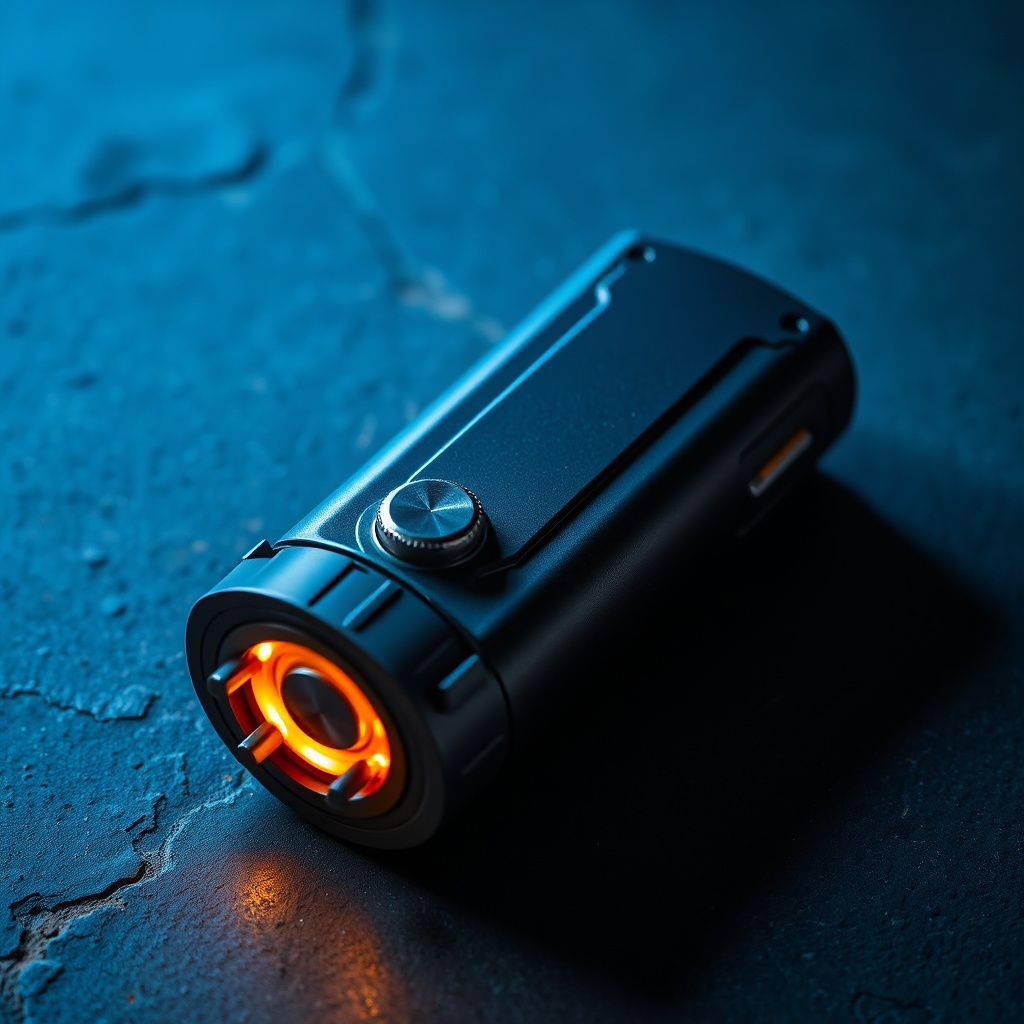
This integrated protective device combines ranged chemical deterrence with close-contact electrical response in one compact unit.
Definition and Core Mechanics
Definition: A pepper spray taser combo is a self-defense device that combines an OC (oleoresin capsicum) spray canister with an electrical stun mechanism in a single handheld unit.
The device works by housing two separate systems inside one body. The spray component uses pressurized OC — the active ingredient in pepper spray — to deliver a cloud or stream of irritant that causes temporary blindness, coughing, and burning on contact. The stun component uses a pair of metal prongs that deliver an electrical charge when pressed against a target. Most models use a single trigger or switch to select between modes. Some designs have a safety slide that must be engaged before either function can fire, while others use a separate button for each mode. These hybrids are generally treated more like Stun Guns than like standalone pepper spray, which means they may face stricter rules in some areas. The two functions complement each other because they cover different threat distances: the spray can stop an attacker before they reach you, while the stun function works when they’re already within arm’s reach.
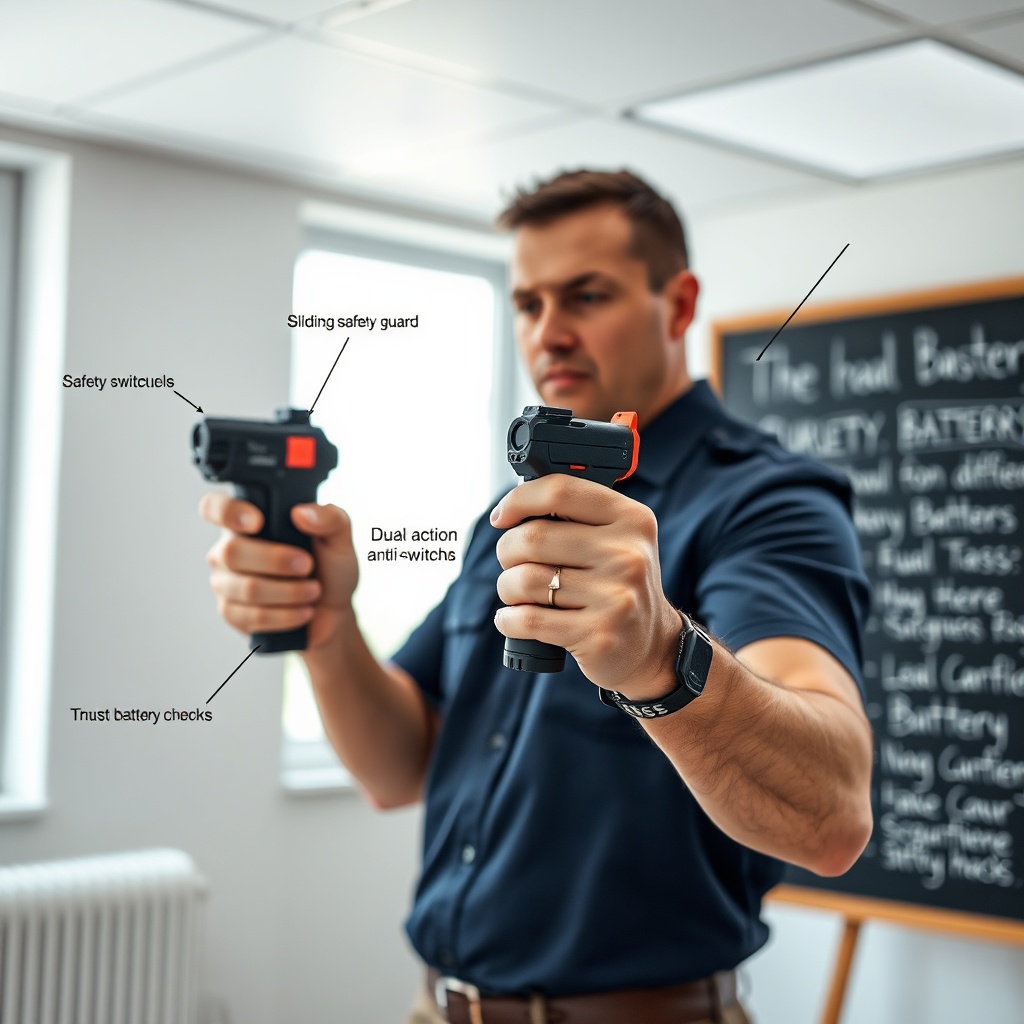
Routine training and equipment checks keep your dual-function personal defense tool ready for responsible use.
Legal and Regulatory Landscape
The legality of combination devices is one of the first things to research before buying. These hybrids are generally treated more like stun guns than like standalone pepper spray, which means they may face stricter rules in some areas. While pepper spray is legal in most U.S. states with varying age, size, and concentration limits, stun guns are restricted or prohibited in a handful of states and municipalities. Because the rules change by city, county, and state, you must verify the laws in your exact location before purchasing or carrying one. Some jurisdictions classify these devices as weapons, which can affect where you can carry them, whether a permit is needed, and whether there are age restrictions. A device that is legal in one state may be illegal in the next.
Quick Answer: A pepper spray taser combo is generally classified under stun gun laws rather than pepper spray laws, so it may face stricter regulations in some states and cities. Always check your local laws before buying or carrying one.
Who Should Consider It?
This type of device appeals to people who want more than one layer of protection without carrying multiple items. Commuters who walk through urban areas, night-shift workers, solo travelers, and anyone who regularly moves through unfamiliar or poorly lit environments may find the versatility useful. It’s also a practical choice for people who want a single compact tool that covers both contact and distance threats. If you already carry a stun gun or pepper spray alone, a combo can reduce your load while expanding your response options. However, it’s not a substitute for awareness, avoidance, and Self-Defense on the go habits.
How to Choose the Right Pepper Spray Taser Combo
Key Specifications to Evaluate
When comparing models, pay attention to a few core specifications that determine real-world performance. Spray range tells you how far the chemical irritant will travel, which affects how much separation you can create. Shot capacity refers to how many bursts the cartridge delivers before it’s empty. Battery type matters for the stun function — some models use disposable batteries, while others use rechargeable lithium cells. Weight and overall size also matter because a device you carry every day should be comfortable enough to forget about until you need it. Grip texture and button placement affect how quickly you can activate the right mode under pressure. One important caveat: higher stun voltage numbers don’t automatically mean a more effective device. The electrical current, measured in milliamps, is what actually causes muscle disruption. A model with a lower voltage but a well-designed current delivery can be more effective than one with an inflated voltage rating. Focus on reliability, build quality, and ease of use rather than marketing numbers.
Form Factor and Usability
The physical design of the device plays a huge role in whether you can use it effectively during a stressful encounter. A good grip should be comfortable in your dominant hand and provide enough texture to prevent slipping. Look for a shape that allows your fingers to reach both the safety switch and the trigger naturally. Holster compatibility is another consideration. Many users prefer a belt clip or a dedicated holster that keeps the device accessible and secure. If the device is too bulky or awkward to draw, you may not carry it consistently — which defeats the purpose. Accidental discharge resistance is also critical. The safety mechanism should require deliberate action to disengage, so the device can’t fire if it bumps against something in a bag or pocket. Some models feature a two-step trigger or a sliding safety that must be moved before the device is armed.
Quick Answer: Look for a pepper spray taser combo with a reliable safety mechanism, a comfortable grip, and a holster or clip that lets you draw it quickly. Don’t rely on voltage numbers alone — focus on build quality and ease of use.
Step-by-Step: How to Use a Pepper Spray Taser Combo Effectively
Numbered List of Steps
- Familiarize yourself with the device’s safety switch and trigger mechanisms before an emergency. Practice disengaging the safety and selecting each mode without looking.
- Practice drawing the device from its holster using your dominant hand until it feels automatic. Repeat the motion until you can do it in under two seconds.
- Assess the threat distance — deploy the pepper spray at a longer range to create separation and impair the attacker’s vision.
- If the threat closes distance, transition to the stun function and aim for a nerve-dense area such as the neck, ribs, or upper thigh.
- After use, retreat to safety and immediately report the incident to authorities. Preserve the device for evidence if possible.
Practice and Safety Considerations
Dry-fire training is essential. You can practice drawing, disengaging the safety, and switching modes without actually discharging the device. This builds muscle memory so your hands know what to do when adrenaline is running high. Understanding the difference between the two modes is just as important, especially after reviewing the recommended How Do Stun Guns Work? A Complete Beginner’s Gui for voltage and amps. The spray creates distance; the stun requires contact. Trying to use the stun function when the attacker is several feet away will fail because the prongs must touch the target. Conversely, using the spray when someone is already grabbing you may not give you the separation you need. Avoid accidental self-discharge by keeping the safety engaged whenever the device is not in use. Never point the spray end toward your face, and never test the stun function on yourself or others. Recognizing when force is legally justified is a separate but connected skill. Self-defense laws generally allow you to use reasonable force to protect yourself from imminent harm, but the definition of “reasonable” varies by jurisdiction. Training and legal knowledge go hand in hand.
Pepper Spray vs. Taser: Why Combine Them?
Comparison Table
| Feature | Pepper Spray | Taser / Stun Gun | Combined Device |
|---|---|---|---|
| Effective Range | Works at arm’s length to several feet | Requires direct contact for stun gun models | Offers both ranged and contact options |
| Primary Effect | Chemical irritant causing temporary blindness and respiratory distress | Electrical disruption causing muscle contraction and pain | Either or both, depending on threat distance |
| Deployment Time | Quick, one-handed operation | Quick, but needs contact with target | Requires switching between modes |
| Reload / Recharge | Replace spray cartridge | Recharge or replace batteries | Both cartridge and battery maintenance |
| Legal Complexity | Legal in most jurisdictions with restrictions | Subject to stricter weapon laws in some areas | Typically classified with stun guns |
Situational Advantages
The strongest argument for a combined device is its ability to adapt to a threat that changes distance, a principle highlighted in the recommended Cheetah Stun Gun vs Taser: Which One Should You evaluation. A person may approach you from across a parking lot — you can use the spray to stop them before they close in. If they keep coming, you can switch to the stun function for a contact-level response. With a single device, you don’t have to drop one tool and reach for another. The hybrid also shines when one hand is occupied. If you’re carrying a bag, holding a phone, or protecting a child, managing two separate devices becomes difficult. A single unit lets you keep one hand free for balance or escape. The trade-off is that a combined device is typically larger and heavier than a standalone pepper spray. Some users find it bulkier to carry, and if you only ever face threats at a distance, the stun function may be unnecessary weight. But for those who want maximum versatility in one package, the trade-off is often worth it.
Quick Answer: A pepper spray taser combo outperforms either tool alone when a threat starts at a distance but closes quickly, or when one hand is occupied. The trade-off is a bulkier device compared to a standalone spray.
Legal Considerations and Responsible Ownership
State and Local Laws
Before purchasing, you need to answer several legal questions specific to your location. Is the device classified as a weapon in your state? Are there age restrictions on purchase or carry? Is a permit required? Are there restrictions on carrying it in schools, airports, government buildings, or private property? These answers differ widely across the United States. Some states require a permit for stun guns, while others prohibit them entirely. Municipal laws can be even more restrictive than state laws. The safest approach is to research your specific city and state regulations, and if you’re traveling, check the laws of your destination as well.
Storage, Carry, and Usage Responsibilities
Safe storage is a core responsibility. Keep the device out of reach of children and anyone who shouldn’t have access to it. A locked drawer or a secure holster with a safety engaged can prevent accidents. When transporting the device in a vehicle, be aware that some jurisdictions treat it differently than a weapon in a bag or on your person. Check whether it must be stored in a locked container or in the trunk. The legal duty to use the device only when facing an imminent threat cannot be overstated. Using it in a non-threatening situation, or using it in response to a verbal argument, can lead to criminal charges. Misuse also undermines the legal defense you’d have if you used it to protect yourself.
Maintenance and Long-Term Care
Battery and Cartridge Checks
A self-defense device only works if it’s maintained. Check the battery level regularly — for rechargeable models, follow the manufacturer’s recommendation for charging intervals. For disposable batteries, replace them on a schedule rather than waiting for them to die. The spray cartridge also needs regular inspection. Look for signs of leakage, corrosion, or degradation around the nozzle. Most manufacturers recommend testing the spray at regular intervals, but test in a well-ventilated area away from people and pets. Never test the stun function on yourself or another person.
Expiry and Replacement
The chemical component has a finite shelf life. OC spray typically degrades over time, losing potency as the active ingredient breaks down. Heat and cold can accelerate this process, so storing the device in a hot car or a freezing environment can shorten its lifespan. When the spray expires, you may be able to replace just the cartridge rather than the entire device. Check whether your model supports cartridge replacement. If it doesn’t, you’ll need to replace the whole unit. Follow the manufacturer’s replacement schedule and keep track of the purchase date so you know when it’s time to refresh.
Quick Answer: Check the battery and spray cartridge at least every few months. The chemical component has a limited shelf life, so note the expiry date and replace the cartridge or the entire device according to the manufacturer’s schedule.
FAQ
Q1: Is a pepper spray taser combo legal in my state?
The legal status varies by state, city, and municipality. Some jurisdictions classify these devices as stun guns, which may require a permit or be prohibited entirely. Check your state’s attorney general website or local law enforcement agency for specific rules before purchasing.
Q2: How far can a pepper spray taser combo reach?
The effective range depends on the specific model and the type of spray it uses. Some deliver a short stream that reaches only a few feet, while others project a longer stream or cone. Check the product specifications for the spray range and understand that the stun function requires direct contact.
Q3: Can I use a pepper spray taser combo on an airplane or in a federal building?
These items are generally prohibited in secure areas such as airports, federal buildings, and courthouses. Transportation Security Administration rules and federal facility policies typically ban weapons and self-defense devices. Contact the relevant authority before traveling to confirm.
Q4: What happens if I accidentally spray myself?
Flush your eyes with clean water for at least 15 minutes and avoid rubbing them. Move to fresh air and remove contaminated clothing. If symptoms persist or are severe, seek medical attention. Practice in a controlled, ventilated environment to prevent this from happening.
Q5: How often should I replace my pepper spray taser combo?
The chemical spray component has a limited shelf life and should be replaced according to the manufacturer’s instructions — typically every few years. Check the battery regularly and replace or recharge it as needed. If the device doesn’t support cartridge replacement, you’ll need to replace the entire unit. Related reading: [Stun Guns vs. Pepper Spray: Choosing the Right Self-Def](https://cheetahstunguns.com/2023/10/16/stun-guns-vs-pepper-spray-choosing-the-right-self-defense-tool/) · [The legality and availability of personal security tool](https://cheetahstunguns.com/2025/01/09/the-legality-and-availability-of-personal-security-tools-in-the-us/) · [Cheetah Stun Gun vs Taser: Which One Should You Buy in](https://cheetahstunguns.com/2026/07/09/cheetah-stun-gun-vs-taser-which-one-should-you-buy-in-2026/) · [How Do Stun Guns Work? A Complete Beginner’s Guide to V](https://cheetahstunguns.com/2026/07/09/how-do-stun-guns-work-a-complete-beginners-guide-to-voltage-and-amps/) · [Self-Defense on the Go: How to Stay Safe While Travelin](https://cheetahstunguns.com/2023/10/16/self-defense-on-the-go-how-to-stay-safe-while-traveling/)
Conclusion
A pepper spray taser combo offers a practical middle ground between a ranged chemical deterrent and a contact-level electrical response. It’s a versatile choice for anyone who wants more than one layer of protection without carrying multiple devices. Choosing the right model comes down to evaluating build quality, usability, and reliability rather than marketing numbers. Using one effectively requires training. Practice drawing, disengaging the safety, and switching modes until the motions are automatic. Understand the legal framework in your area, store the device safely, and maintain it on a regular schedule. The device is only as good as your preparation — so verify local laws, invest in training, and keep the device in working condition before you ever need to rely on it.

